flucytosine
Flucytosine (Ancobon) is typically used along with amphotericin B to treat serious fungal infections, but it can cause severe side effects and is very expensive.


What is Flucytosine (Ancobon)?
What is Flucytosine (Ancobon) used for?
- Serious fungal infections caused by Candida or Cryptococcus
How Flucytosine (Ancobon) works
Flucytosine (Ancobon) is an antifungal. Once flucytosine (Ancobon) is inside the body, it gets absorbed by the fungus that's causing the infection. Once inside the fungal cells, flucytosine (Ancobon) interferes with the chemistry of the fungal cells and stops them from reproducing and growing.
Drug facts
| Common Brands | Ancobon |
|---|---|
| Drug Class | Antifungal |
| Controlled Substance Classification | Not a controlled medication |
| Generic Status | Lower-cost generic available |
| Availability | Prescription only |

Side effects of Flucytosine (Ancobon)
The following side effects may get better over time as your body gets used to the medication. Let your healthcare provider know immediately if you continue to experience these symptoms or if they worsen over time.
Common Side Effects
- Nausea
- Vomiting
- Stomach pain
- Diarrhea
- Confusion
- Headache
Less Common Side Effects
- Chest pain
- Trouble breathing
- Rash
- Hearing loss
- Sleepiness
- Dizziness
- Fatigue
- Sensitivity to sunlight
- Anemia
- Loss of appetite
- Dry mouth
- Low blood sugar
- Low potassium levels
- Weakness
Flucytosine (Ancobon) serious side effects
Contact your healthcare provider immediately if you experience any of the following.
- Kidney failure
- Liver failure
- Bone marrow damage
- Heart attack
- Allergic reactions
- Gastrointestinal (GI) bleeding
The following Flucytosine (Ancobon) side effects have also been reported
Along with its needed effects, a medicine may cause some unwanted effects. Although not all of these side effects may occur, if they do occur they may need medical attention.
Check with your doctor immediately if any of the following side effects occur:
More common
Skin rash, redness, or itching
sore throat and fever
unusual bleeding or bruising
unusual tiredness or weakness
yellow eyes or skin
Less common
Confusion
hallucinations (seeing, hearing, or feeling things that are not there)
increased sensitivity of skin to sunlight
Some side effects may occur that usually do not need medical attention. These side effects may go away during treatment as your body adjusts to the medicine. Also, your health care professional may be able to tell you about ways to prevent or reduce some of these side effects. Check with your health care professional if any of the following side effects continue or are bothersome or if you have any questions about them:
Less common
Dizziness or lightheadedness
drowsiness
headache
Other side effects not listed may also occur in some patients. If you notice any other effects, check with your healthcare professional.
Call your doctor for medical advice about side effects. You may report side effects to the FDA at 1-800-FDA-1088.

Get your GoodRx coupon

Pros and cons of Flucytosine (Ancobon)
Pros
- Can treat serious fungal infections
- Has very few drug interactions
- Can be made into a liquid by a pharmacist if swallowing pills is difficult
Cons
- Most people have to take several capsules multiple times a day.
- Not the best option for people with kidney problems
- Very expensive without insurance
- Fungus likely to develop resistance when flucytosine (Ancobon) is used alone

Pharmacist tips for Flucytosine (Ancobon)

- If you experience nausea or vomiting from flucytosine (Ancobon), try taking a few capsules at a time over a 15-minute period.
- Continue to take flucytosine (Ancobon) as instructed by your provider even if you start to feel better. Stopping too early can cause your infection to come back and be more difficult to treat.
- Your body gets rid of flucytosine (Ancobon) through the kidneys. If your kidneys are not functioning properly, it can lead to a buildup of flucytosine (Ancobon) in your body. Let your provider know if you have kidney problems before starting flucytosine (Ancobon).
- Blood tests are necessary while taking flucytosine (Ancobon). These tests will help your healthcare provider make sure your body is healthy enough to stay on this medication. Be sure to get all blood tests done on time.

Risks and warnings for Flucytosine (Ancobon)
Flucytosine (Ancobon) can cause some serious health issues. This risk may be even higher for certain groups. If this worries you, talk to your doctor or pharmacist about other options.
Kidney function
- Risk factors: Current kidney problems | History of kidney problems | Using other medications that are hard on the kidneys
 Your body gets rid of flucytosine (Ancobon) through the kidneys. People with kidney problems should be carefully monitored while taking flucytosine (Ancobon). If your kidneys aren't functioning properly, it can lead to a buildup of flucytosine (Ancobon) in the body. Flucytosine (Ancobon) can also cause kidney damage. You will need blood tests done before and while taking flucytosine (Ancobon) to make sure your kidneys are functioning properly. Contact your healthcare provider if you have a sudden change in the amount of urine output, if you can't urinate at all, if you experience any sudden swelling of your hands or feet, or if you have difficulty breathing. These are all signs of kidney damage.
Liver function
- Risk factors: History of liver problems | Current liver problems | Abnormal liver blood test results
Very rarely, flucytosine (Ancobon) can cause life-threatening liver damage or liver failure. You will most likely have to have blood tests done before starting flucytosine (Ancobon) as well as during treatment to ensure that your liver is functioning properly. If you experience unexplained stomach pain, nausea, vomiting, dark urine, pale stools, or yellowing of your skin or white part of the eyes, contact your healthcare provider immediately. These are all signs of liver damage.
Blood and bone marrow damage
- Risk factors: Certain blood disorders | Taking medications that affect bone marrow | Current or past radiation treatments
Flucytosine (Ancobon) can damage the bone marrow which can lead to a decreased production of blood cells. This can be life-threatening for people who already have weakened immune systems. Symptoms of bone marrow damage include fatigue, fast heart rate, pale skin and lips, dizziness, and difficulty breathing. You may also get sick more easily and take longer to get over illnesses. You will most likely have to have blood tests done before starting flucytosine (Ancobon) as well as during treatment to ensure that your blood cell counts are within normal range.
Allergic reactions
Severe allergic reactions to flucytosine (Ancobon) are possible. If you notice hives, a rash, swelling of the lips or tongue, or difficulty breathing after using flucytosine (Ancobon), call your healthcare provider or get medical help right away.

Flucytosine (Ancobon) dosage


Interactions between Flucytosine (Ancobon) and other drugs
Although certain medicines should not be used together at all, in other cases two different medicines may be used together even if an interaction might occur. In these cases, your doctor may want to change the dose, or other precautions may be necessary. When you are taking this medicine, it is especially important that your healthcare professional know if you are taking any of the medicines listed below. The following interactions have been selected on the basis of their potential significance and are not necessarily all-inclusive.
Using this medicine with any of the following medicines is not recommended. Your doctor may decide not to treat you with this medication or change some of the other medicines you take.
- Levomethadyl
- Tegafur
Using this medicine with any of the following medicines is usually not recommended, but may be required in some cases. If both medicines are prescribed together, your doctor may change the dose or how often you use one or both of the medicines.

How much does Flucytosine (Ancobon) cost?

What are alternatives to Flucytosine (Ancobon)?

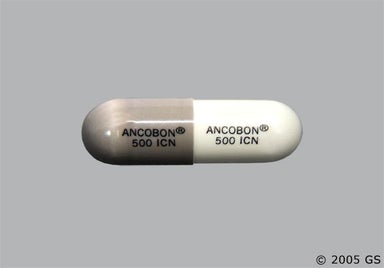
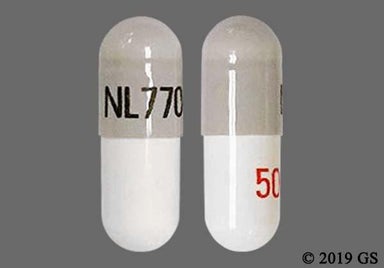
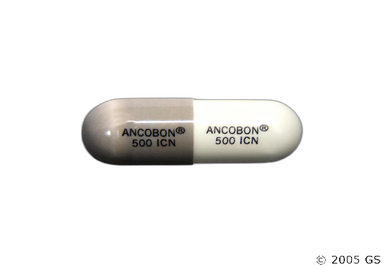
Flucytosine (Ancobon) images