



7 Topical Treatment Options for Scalp Psoriasis
Scalp psoriasis can’t be cured, but there are treatments to help manage your symptoms. Learn more about the topical options for scalp psoriasis with GoodRx.
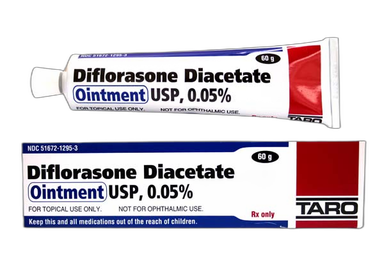
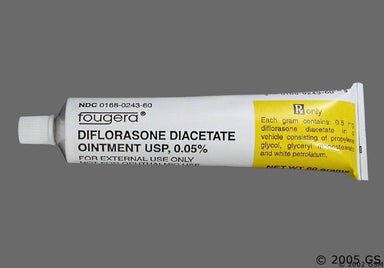
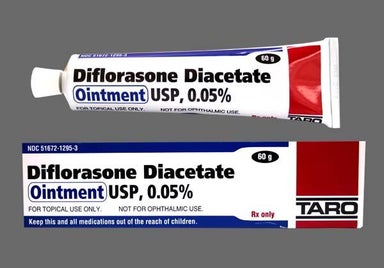
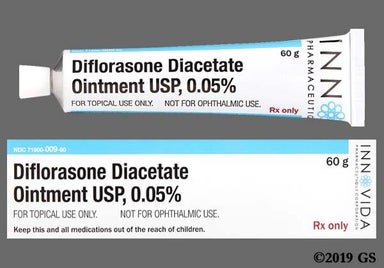
Diflorasone (Apexicon E) is one of the strongest topical steroid medications used to relieve inflammation and itching caused by various skin conditions. It's applied to the skin, typically one to three times a day. Some of the more common side effects of diflorasone (Apexicon E) include mild burning or itching. But it generally doesn't cause many serious side effects if used short-term as directed by your provider. Diflorasone is available as a cream or ointment.

Diflorasone (Apexicon E) is a topical corticosteroid. It helps treat flare-ups of skin conditions by calming down the immune system and lessening inflammation.
| Common Brands | ApexiCon E |
|---|---|
| Drug Class | Corticosteroid |
| Controlled Substance Classification | Not a controlled medication |
| Generic Status | Lower-cost generic available |
| Availability | Prescription only |

The following side effects may get better over time as your body gets used to the medication. Let your healthcare provider know immediately if you continue to experience these symptoms or if they worsen over time.
Contact your healthcare provider immediately if you experience any of the following.
Along with its needed effects, a medicine may cause some unwanted effects. Although not all of these side effects may occur, if they do occur they may need medical attention.
Check with your doctor immediately if any of the following side effects occur:
Incidence not known
Blindness
blistering, burning, crusting, dryness, or flaking of the skin
blurred vision
decreased vision
headache
irritation
itching, scaling, severe redness, soreness, or swelling of the skin
redness and scaling around the mouth
tearing
thinning of the skin with easy bruising, especially when used on the face or where the skin folds together (eg, between the fingers)
vomiting
Some side effects may occur that usually do not need medical attention. These side effects may go away during treatment as your body adjusts to the medicine. Also, your health care professional may be able to tell you about ways to prevent or reduce some of these side effects. Check with your health care professional if any of the following side effects continue or are bothersome or if you have any questions about them:
Incidence not known
burning and itching of the skin with pinhead-sized red blisters
burning, itching, and pain in hairy areas, or pus at the root of the hair
increased hair growth on the forehead, back, arms, and legs
lightening of normal skin color or of treated areas of dark skin color
reddish purple lines on the arms, face, legs, trunk, or groin
softening of the skin
Other side effects not listed may also occur in some patients. If you notice any other effects, check with your healthcare professional.
Call your doctor for medical advice about side effects. You may report side effects to the FDA at 1-800-FDA-1088.




Diflorasone (Apexicon E) can cause some serious health issues. This risk may be even higher for certain groups. If this worries you, talk to your doctor or pharmacist about other options.
If you absorb too much diflorasone (Apexicon E) through the skin, you can experience symptoms of too much stress hormones, such as bruising easily or high blood sugar levels.
In addition, absorbing too much diflorasone (Apexicon E) can also cause your body to make less of its own stress hormones. This becomes a problem when you stop using diflorasone (Apexicon E) and your body can't ramp up making its own stress hormones quickly enough. This can put you at risk for a problem called adrenal insufficiency, where you have too little stress hormone.
To lower your risk of these problems, don't use more diflorasone (Apexicon E) than what's prescribed by your provider. Also, don't put any bandages over skin areas where you just applied the medication. Don't stop using diflorasone (Apexicon E) unless your provider tells you to do so. Sometimes, your provider might need to lower how often you apply this medication slowly over time, before you can safely stop it. Your body will typically recover from these problems after you stop using diflorasone (Apexicon E).
Skin irritation and changes, including burning, itching, dryness, inflammation of hair follicles, excessive hair growth, and changes in skin color, have occurred from using diflorasone (Apexicon E). Let your provider know if you experience any of these side effects.
Diflorasone (Apexicon E) can lower your body's ability to fight infections, including infections on your skin. It's especially important to treat skin infections with an appropriate antifungal or antibacterial if you're using diflorasone (Apexicon E). The longer you're using this medication, the higher your risk of this problem is. If you notice redness, pain, swelling, or pus where you're applying diflorasone (Apexicon E), stop using it and talk to your healthcare provider right away.
Topical steroids can raise your risk for eye problems such as cataracts and glaucoma. This is more commonly seen in people who applied topical steroid drops into their eyes for various eye conditions. However, are reports of this happening in people who used diflorasone (Apexicon E) for skin conditions. If you notice any changes in your vision, contact your provider.


Although certain medicines should not be used together at all, in other cases two different medicines may be used together even if an interaction might occur. In these cases, your doctor may want to change the dose, or other precautions may be necessary. Tell your healthcare professional if you are taking any other prescription or nonprescription (over-the-counter [OTC]) medicine.


Prescription savings
Stop paying too much for your prescriptions. Compare prices, get pharmacy coupons, and save up to 80%. Find expert answers to your health questions so you can make the best decisions for yourself and your family.
Health conditions
Medications & treatment
Access & affordability
Medication discounts


Diflorasone is a much stronger (more "potent") topical steroid than hydrocortisone. In fact, Diflorasone is one of the strongest topical steroids available, so it's mainly used for very serious inflammatory skin conditions.
Ask your provider if you should use bandages over areas where you've applied Diflorasone. Certain coverings can cause more medication to be absorbed into your body, which can lead to more side effects. Make sure to only use bandages or other coverings if your provider told you it was ok to do so.
There isn't enough information to know if Diflorasone is safe to use while pregnant or breastfeeding. In animal studies, strong corticosteroids like Diflorasone have caused birth defects when applied to the skin. The risks are likely higher if you use this medication in large amounts or for long periods of time. Also, it's unclear whether Diflorasone can get into breast milk. But if it does, there's a chance it can cause harm to nursing babies. If you're pregnant, planning on becoming pregnant, or breastfeeding, discuss the risks and benefits of using this medication with your healthcare provider.
Diflorasone hasn't been studied well in children, so it isn't known if it's safe or works well for them. Children have a higher risk for certain side effects, such as hormone changes and stretch marks, from steroids used on the skin. Your provider can help guide you to the best treatment options for your child's skin conditions.
You should only use Diflorasone for psoriasis if your provider instructed you to do so. Topical steroids, like Diflorasone, play an important part in treating psoriasis. But they might not be appropriate for everyone. It's important to remember that psoriasis treatment and prevention involves many other important steps as well, including maintaining healthy habits, keeping your skin well-moisturized, and avoiding triggers like alcohol, stress, and cold weather. Talk to your provider about what to do to get the best effect from using Diflorasone.
