


6 Corticosteroid (Steroid) Eye Drops: Uses, Formulations, and How to Save
Steroid eye drops, such as prednisolone, may be prescribed to treat inflammation from eye surgery. Learn more with this list of popular steroid eye drops.
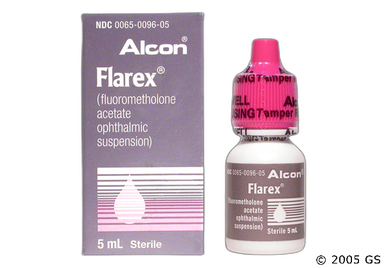
Flarex is the brand name for fluorometholone acetate 0.1% suspension, which is a steroid eye drop. It's used to treat eye inflammation symptoms in adults. The medication is placed directly into the affected eye(s) 4 times a day. You might have blurry vision as a side effect after you use the eye drops.

Flarex (fluorometholone) is a corticosteroid. The exact way it works isn't fully known. But it's thought to block certain chemicals in the body that cause inflammation.
When used in the eye, Flarex (fluorometholone) helps lower inflammation in the eye. It helps relieve symptoms like swelling, itchiness, and redness.
| Common Brands | Flarex |
|---|---|
| Drug Class | Corticosteroid |
| Controlled Substance Classification | Not a controlled medication |
| Generic Status | No lower-cost generic available |
| Availability | Prescription only |

The following side effects may get better over time as your body gets used to the medication. Let your healthcare provider know immediately if you continue to experience these symptoms or if they worsen over time.
Contact your healthcare provider immediately if you experience any of the following.
Along with its needed effects, a medicine may cause some unwanted effects. Although not all of these side effects may occur, if they do occur they may need medical attention.
Check with your doctor immediately if any of the following side effects occur:
Incidence not known
Bigger, dilated, or enlarged pupils (black part of the eye)
blurred vision or other change in vision
burning, dry, or itching eyes
decreased vision
delayed wound healing
discharge from eye
headache
increased sensitivity of the eyes to light
nausea or vomiting
redness, pain, swelling of the eye, eyelid, or inner lining of the eyelid
tearing
Some side effects may occur that usually do not need medical attention. These side effects may go away during treatment as your body adjusts to the medicine. Also, your health care professional may be able to tell you about ways to prevent or reduce some of these side effects. Check with your health care professional if any of the following side effects continue or are bothersome or if you have any questions about them:
Incidence not known
Burning and stinging sensation when medicine is applied
drooping upper eyelids
feeling of having something in the eye
Other side effects not listed may also occur in some patients. If you notice any other effects, check with your healthcare professional.
Call your doctor for medical advice about side effects. You may report side effects to the FDA at 1-800-FDA-1088.




Flarex (fluorometholone) can cause some serious health issues. This risk may be even higher for certain groups. If this worries you, talk to your doctor or pharmacist about other options.
Long-term use of Flarex (fluorometholone) can raise your risk of an eye infection. It can also make eye infections you already have worse or take longer to go away. Before starting this medication, tell your prescriber if you currently have an eye infection. This includes a herpes infection in the eye. You shouldn't use the eye drops until the infection is treated.
Get medical care if you notice more eye pain, redness, or swelling. Also get medical care if you see eye discharge, have blurry vision, or have itchy or burning eyes. These can be signs of an eye infection that needs to get checked out.
Long-term use of Flarex (fluorometholone) can raise your eye pressure. This can put you at higher risk of glaucoma. Long-term use can also cause other eye problems, like cataracts, thinning of the cornea, or other eye damage. These problems can affect your vision.
If you need to use Flarex (fluorometholone) for a long time (10 days or longer), you'll need to get regular eye exams. This helps check your eye health. Let your prescriber know if you have any vision changes or eye pain while using this medication.
Steroid eye drops like Flarex (fluorometholone) can slow healing after eye surgery. Tell your prescriber if you recently had cataract surgery or another type of eye surgery. If you need to use this medication after eye surgery, follow your care team's instructions so your eye can heal well.
Flarex (fluorometholone) contains a preservative called benzalkonium chloride. The preservative can get absorbed into soft contact lenses and damage them. Because of this, take out your contact lenses before you use the eye drops. Then, wait at least 15 minutes after using the medication to put your contacts back in.

 Eye dropper
| Dosage | Quantity | Price as low as | Price per unit |
|---|---|---|---|
| 5ml of 0.1% | 1 eye dropper | $99.00 | $99.00 |
The typical dose is 1 to 2 drops into the affected eye(s) 4 times a day. If your symptoms are severe, your prescriber might have you place 2 drops into the eye(s) every 2 hours during the first 1 to 2 days.

Although certain medicines should not be used together at all, in other cases two different medicines may be used together even if an interaction might occur. In these cases, your doctor may want to change the dose, or other precautions may be necessary. Tell your healthcare professional if you are taking any other prescription or nonprescription (over-the-counter [OTC]) medicine.


Contraindications are specific health conditions or situations in which a person should not take a medication due to safety concerns. If you have any of the following conditions or if any of the following apply to you, let your healthcare provider know because Flarex (fluorometholone) will not be safe for you to take.


Prescription savings
Stop paying too much for your prescriptions. Compare prices, get pharmacy coupons, and save up to 80%. Find expert answers to your health questions so you can make the best decisions for yourself and your family.
Health conditions
Medications & treatment
Access & affordability
 Our monthly healthcare membership can help you save thousands on your prescription costs.
Resources

Yes, Flarex is a steroid eye drop. Steroids work to lessen inflammation in the eye. This can help with symptoms like eye pain and swelling. It can help manage these symptoms from eye surgery, injuries, and other eye problems that cause inflammation.
Flarex and FML are both eye drops used to treat eye inflammation. They have the same active ingredient, fluorometholone 0.1%. They're a little different in how they're made. FML contains fluorometholone alcohol, and Flarex contains fluorometholone acetate. The acetate is thought to help Flarex work better. In addition, Flarex is approved for adults only whereas FML can be used for people as young as 2 years old. Flarex is brand name only, but FML (the 0.1% strength) also has a generic option. Talk to a healthcare professional to compare and see which one best fits your needs.
Use the Flarex eye drops for as long as your prescriber tells you. They might give you a set amount of time to use it. Keep in mind that using the eye drops for 10 days or more can raise your risk of high eye pressure or eye infection. If you need to use Flarex for a long time, you might need eye exams periodically to check for these problems. And if your symptoms don't get any better after 2 weeks of regular use, contact your prescriber. They can see if you need a different treatment.
No. Flarex doesn't usually cause weight gain. This is unlike steroid pills when used long term. Flarex is an eye drop medication. Most of the medication is absorbed just into your eye, not your body. This means side effects generally only affect the eye. Examples include blurry vision and possible eye irritation. If you notice unexpected weight gain, talk to your primary care provider. They can help figure out what might be causing it.
Steroid eye drops like Flarex can sometimes raise eye pressure. Flarex might be less likely than some other steroid drops. But the risk of higher eye pressure can go up if you use the eye drops for a long time (10 days or more). If you need to use the eye drops for a long time, your prescriber might check your eye pressure periodically. This is important because high eye pressure can lead to a serious eye problem called glaucoma. Be sure to tell your prescriber if you already have glaucoma. And talk to them if you have concerns about this side effect.
A 5 mL bottle of Flarex has about 100 drops in it. Most pharmacies estimate that 1 drop contains about 0.05 mL of medication. Keep in mind that this is just an estimate, and it can vary. Ask your pharmacist or prescriber for a refill when your bottle starts getting low.
No. Flarex is only available with a prescription from a healthcare professional. You'll need to reach out to a healthcare professional to discuss if this medication is the right choice for your eye symptoms.
