Firdapse
Firdapse (amifampridine) is the first FDA-approved medication to treat Lambert-Eaton myasthenic syndrome (LEMS), a rare, autoimmune condition that can cause muscle weakness. The medication can cause seizures as well as many other side effects.


What is Firdapse (amifampridine)?
What is Firdapse (amifampridine) used for?
- Lambert-Eaton myasthenic syndrome (LEMS)
How Firdapse (amifampridine) works
Firdapse (amifampridine) is a potassium channel blocker. It's not exactly known how this medication works to treat LEMS, but it's thought to target your muscles' nerve junctions to help with nerve signaling.
Drug facts
| Common Brands | Firdapse |
|---|---|
| Drug Class | Potassium channel blocker |
| Controlled Substance Classification | Not a controlled medication |
| Generic Status | No lower-cost generic available |
| Availability | Prescription only |

Side effects of Firdapse (amifampridine)
The following side effects may get better over time as your body gets used to the medication. Let your healthcare provider know immediately if you continue to experience these symptoms or if they worsen over time.
Common Side Effects
- "Pins and needles," burning, prickling, or aching feeling (62%)
- Upper respiratory tract infection (e.g., sore throat, runny or stuffy nose; 33%)
- Stomach pain (14%)
- Nausea (14%)
- Diarrhea (14%)
- Headache (14%)
- High liver function tests (14%)
- Back pain (14%)
- High blood pressure (12%)
- Muscle spasms (12%)
Less Common Side Effects
- Dizziness
- Lack of energy
- Muscle weakness
- Pain in arms or legs
- Eye problems (cataract)
- Constipation
- Fall
- Bronchitis
- Swollen lymph nodes
Firdapse (amifampridine) serious side effects
Contact your healthcare provider immediately if you experience any of the following.
- Seizure
The following Firdapse (amifampridine) side effects have also been reported
Side effects that you should report to your care team as soon as possible:
- Allergic reactions—skin rash, itching, hives, swelling of the face, lips, tongue, or throat
- Seizures
Side effects that usually do not require medical attention (report these to your care team if they continue or are bothersome):
- Burning or tingling of the tongue, mouth, throat, or face
- Burning or tingling sensation in hands or feet
- Dizziness
- Nausea
- Stomach pain
- Upset stomach

Pros and cons of Firdapse (amifampridine)
Pros
- Works well to treat symptoms of LEMS (e.g., muscle strength, function, and mobility)
- Can be taken with or without food
- Can be used in pregnancy, if needed
Cons
- Needs to be taken 3 to 4 times per day
- Brand-name only, which can be expensive
- Can't be used in children younger than 18 years old

Pharmacist tips for Firdapse (amifampridine)

- Make sure to tell your provider about all the medications you're taking before starting Firdapse (amifampridine), especially if you take medications that raise your risk for seizures or cholinesterase inhibitors. These particular medications can raise your risk of seizures and other side effects from Firdapse (amifampridine). Don't start any new medications while taking Firdapse (amifampridine) without talking to your provider or pharmacist first.
- Take Firdapse (amifampridine) with or without food.
- If you forget to take Firdapse (amifampridine), skip the missed dose and take your usual dose at the next scheduled time. Don't double your dose or take extra doses to make up for the missed dose.
- Read the medication guide for more information on Firdapse (amifampridine).

Risks and warnings for Firdapse (amifampridine)
Firdapse (amifampridine) can cause some serious health issues. This risk may be even higher for certain groups. If this worries you, talk to your doctor or pharmacist about other options.
Seizures
- Risk factors: History of seizures | Have medical conditions or take medications that raise the risk of seizures
Firdapse (amifampridine) can cause seizures. They can happen in people taking this medication at recommended doses who haven't had a seizure before and can happen at any time during treatment. But your risk is higher if you have medical conditions or take medications that raise your risk for seizures. If you have a seizure or any symptoms of a seizure while taking Firdapse (amifampridine), contact your provider.

Firdapse (amifampridine) dosage
Typical dosage for Firdapse (amifampridine)
The typical starting daily dose is 15 mg to 30 mg by mouth per day, divided into 3 to 4 doses throughout the day. The maximum single dose is 20 mg (or 2 tablets), and the maximum total daily dose is 80 mg (or 8 tablets).
Your provider will change your dose based on if you're having side effects and if it's helping your condition. Your dose might differ if you have kidney or liver problems. It might also differ if your body is unable to break down the medication well (based on genetic testing).

Firdapse (amifampridine) contraindications
Contraindications are specific health conditions or situations in which a person should not take a medication due to safety concerns. If you have any of the following conditions or if any of the following apply to you, let your healthcare provider know because Firdapse (amifampridine) will not be safe for you to take.
- History of seizures

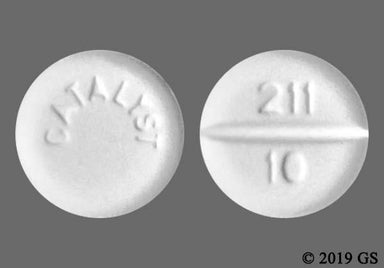
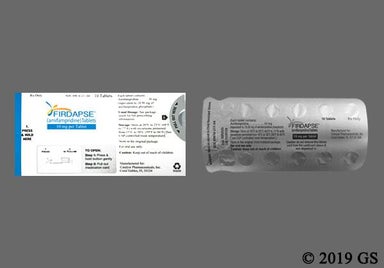
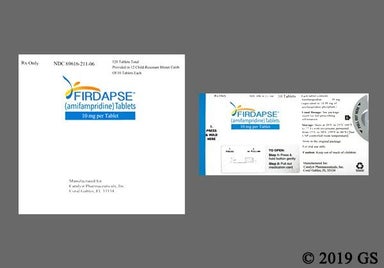
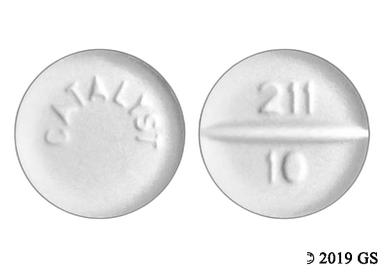
Firdapse (amifampridine) images