



Does Fioricet Work for Migraine Headaches?
Fioricet is a prescription med for migraines containing acetaminophen, caffeine, and butalbital, with limited effectiveness and potential side effects.
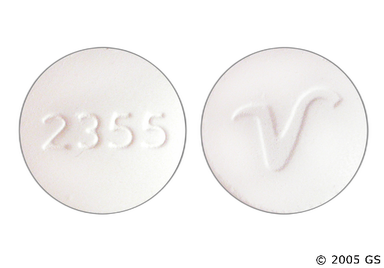
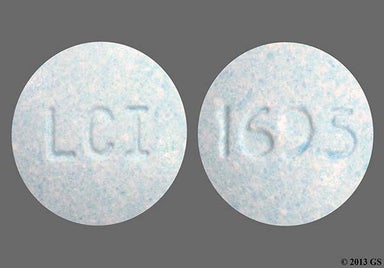
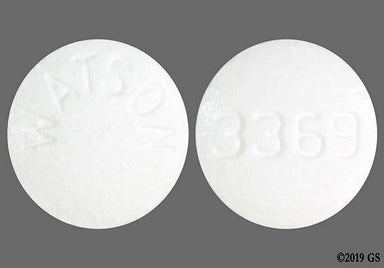
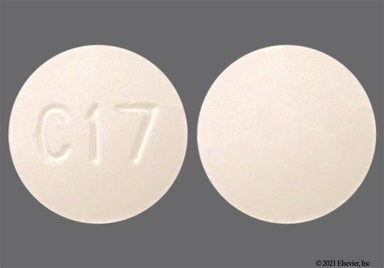
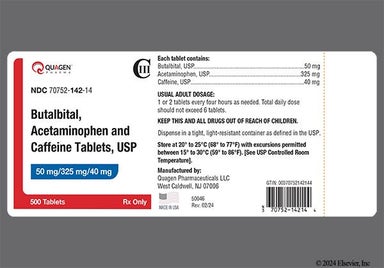
Fioricet is a combination medication containing butalbital, acetaminophen, and caffeine. It's taken by mouth as needed, typically every 4 hours, to treat tension headaches. But it's not a first-choice option because it can become habit-forming and can worsen headaches if taken too frequently. In addition, Fioricet can cause side effects, such as sleepiness and dizziness. It's available as pills and an oral syrup.

Fioricet is a combination of three medications that work together to help relieve headache pain.
| Common Brands | Fioricet, Esgic, Zebutal, Vtol LQ |
|---|---|
| Drug Class | Barbiturate / Analgesic / Adenosine antagonist |
| Controlled Substance Classification | Controlled in some states. See FAQs below. |
| Generic Status | Lower-cost generic available |
| Availability | Prescription only |

The following side effects may get better over time as your body gets used to the medication. Let your healthcare provider know immediately if you continue to experience these symptoms or if they worsen over time.
Contact your healthcare provider immediately if you experience any of the following.
Along with its needed effects, a medicine may cause some unwanted effects. Although not all of these side effects may occur, if they do occur they may need medical attention.
Check with your doctor immediately if any of the following side effects occur:
More common
Lightheadedness
shortness of breath
Incidence not known
Abdominal or stomach pain
black, tarry stools
bleeding gums
blistering, peeling, or loosening of the skin
blood in the urine or stools
blurred vision
change in the frequency of urination or amount of urine
chills
difficulty with breathing
difficulty with swallowing
dizziness
drowsiness
fainting
fast, pounding, or irregular heartbeat or pulse
flushed or dry skin
fruit-like breath odor
increased hunger
increased thirst
increased urination
joint or muscle pain
loss of appetite
nausea or vomiting
pinpoint red spots on the skin
puffiness or swelling of the eyelids or around the eyes, face, lips, or tongue
red skin lesions, often with a purple center
red, irritated eyes
seizures
shakiness in the legs, arms, hands, or feet
sores, ulcers, or white spots in the mouth or on the lips
sweating
swelling of the feet or lower legs
tightness in the chest
trembling or shaking of the hands or feet
troubled breathing
unexplained weight loss
unusual bleeding or bruising
unusual tiredness or weakness
weakness
Get emergency help immediately if any of the following symptoms of overdose occur:
Symptoms of overdose
Confusion as to time, place, or person
dark urine
difficult or painful urination
dizziness, faintness, or lightheadedness when getting up suddenly from a lying or sitting position
general feeling of discomfort or illness
hallucinations
headache
holding false beliefs that cannot be changed by fact
increased sweating
irregular, fast or slow, or shallow breathing
light-colored stools
loss of appetite
pale or blue lips, fingernails, or skin
restlessness
sudden decrease in the amount of urine
sweating
trouble sleeping
unpleasant breath odor
unusual excitement, nervousness, or restlessness
vomiting of blood
yellow eyes or skin
Some side effects may occur that usually do not need medical attention. These side effects may go away during treatment as your body adjusts to the medicine. Also, your health care professional may be able to tell you about ways to prevent or reduce some of these side effects. Check with your health care professional if any of the following side effects continue or are bothersome or if you have any questions about them:
More common
Relaxed and calm
sleepiness
Incidence not known
bloated
continuing ringing or buzzing or other unexplained noise in the ears
excess air or gas in the stomach or intestines
false or unusual sense of well-being
full feeling
hearing loss
heavy eyelids
high energy
hot spells
hyperventilation
irritability
numbness
pain in the leg
passing gas
sluggishness
tingling sensation
Other side effects not listed may also occur in some patients. If you notice any other effects, check with your healthcare professional.
Call your doctor for medical advice about side effects. You may report side effects to the FDA at 1-800-FDA-1088.




Fioricet can cause some serious health issues. This risk may be even higher for certain groups. If this worries you, talk to your doctor or pharmacist about other options.
 Taking too much acetaminophen can cause liver damage that can be permanent and life-threatening. For adults, the maximum amount of acetaminophen is 3 or 4 grams in a 24-hour period, depending on your provider's instructions.
 Speak to your provider before using Fioricet if you have liver problems since it can cause further damage to your liver. Also, avoid drinking alcohol while taking Fioricet because this combination can harm your liver too.
Signs of liver problems include dark urine, feeling tired, upset stomach or stomach pain, or yellowing of the skin or whites of the eyes. If you notice any of these symptoms, call your provider right away.
Fioricet can cause extreme sleepiness and lower your ability to think, react, and focus. Don't drink alcohol or take other medications that can cause sleepiness or "brain fog", such as pain medications or antidepressants, with Fioricet. Doing so can worsen these side effects. Make sure you know how this medication affects you before driving a car or doing activities that require your concentration. Talk to your healthcare provider right away if you feel too sleepy from taking Fioricet.
Fioricet contains acetaminophen (Tylenol), which can rarely cause life-threatening skin reactions and allergic reactions. If you're allergic to acetaminophen, don't take Fioricet. If you develop symptoms of an allergic reaction, such as swelling of the face, mouth, or throat, trouble breathing, itchy red rash (hives), or vomiting, stop taking Fioricet and call for emergency medical help right away. If you develop symptoms of a skin reaction, such as a reddening or peeling of the skin, painful rash, or fluid-filled blisters, stop taking Fioricet and go to the emergency room right away.
Fioricet contains butalbital, which can be habit-forming. Misuse of Fioricet can lead to dependence, accidental overdose, and even death. Doing so can also cause withdrawal symptoms, like seizures, restlessness, trouble sleeping, and shakiness, if you lower your dose or stop taking the medication suddenly. To lower the risk of physical dependence, don't take Fioricet longer than prescribed, at higher doses than prescribed, or more often than prescribed.
Call for emergency medical help if you have any symptoms of taking too much butalbital, including sleepiness, trouble breathing, dizziness, confusion, or loss of consciousness. If you no longer want to take Fioricet, talk to your healthcare provider so they can instruct you on how to stop taking the medication safely. Speak to your healthcare provider about alternative treatments if you have concerns about taking Fioricet.


Although certain medicines should not be used together at all, in other cases two different medicines may be used together even if an interaction might occur. In these cases, your doctor may want to change the dose, or other precautions may be necessary. When you are taking this medicine, it is especially important that your healthcare professional know if you are taking any of the medicines listed below. The following interactions have been selected on the basis of their potential significance and are not necessarily all-inclusive.
Using this medicine with any of the following medicines is not recommended. Your doctor may decide not to treat you with this medication or change some of the other medicines you take.
Using this medicine with any of the following medicines is usually not recommended, but may be required in some cases. If both medicines are prescribed together, your doctor may change the dose or how often you use one or both of the medicines.
Using this medicine with any of the following medicines may cause an increased risk of certain side effects, but using both drugs may be the best treatment for you. If both medicines are prescribed together, your doctor may change the dose or how often you use one or both of the medicines.


Contraindications are specific health conditions or situations in which a person should not take a medication due to safety concerns. If you have any of the following conditions or if any of the following apply to you, let your healthcare provider know because Fioricet will not be safe for you to take.









Prescription savings
Stop paying too much for your prescriptions. Compare prices, get pharmacy coupons, and save up to 80%. Find expert answers to your health questions so you can make the best decisions for yourself and your family.
Health conditions
Medications & treatment
Access & affordability
 Our monthly healthcare membership can help you save thousands on your prescription costs.
Resources

Fioricet and Fiorinal are both used to treat tension headaches. Both medications contain butalbital and caffeine, but Fioricet also has acetaminophen whereas Fiorinal contains aspirin. Unlike acetaminophen, aspirin also treats inflammation and swelling. Neither medication is considered a first-choice option for treating tension headaches. Another difference is that while Fiorinal is a schedule III controlled substance, Fioricet might or might not be classified as a controlled substance in your state. This is because Fioricet is currently on the DEA list of exempted prescription products, meaning it's up to the individual states how they regulate it.
Fioricet is a controlled substance in some states. Because it contains butalbital, a medication that can be misused and cause dependence, some state governments place strict regulations on Fioricet. But it's not classified as a controlled substance in all states because it contains acetaminophen. Initially, regulators believed that the acetaminophen in Fioricet discourages people from misusing Fioricet. This is because taking too much acetaminophen can cause harm, such as liver damage. So regulators left it up to the states to decide on how to classify Fioricet. But recent data shows that the acetaminophen in Fioricet might not be enough to stop people from misusing this medication. There's a possibility that the classification of Fioricet might change in the future.
It's recommended to limit caffeine because Fioricet already contains caffeine. The maximum dose of Fioricet is 6 doses per day, which equates to 240 mg of caffeine. For comparison, an 8-ounce cup of coffee contains 95 mg to 165 mg of caffeine. According to the FDA, 400 mg of caffeine is considered a safe amount for adults that won't cause dangerous side effects. Too much caffeine can lead to nervousness, shakiness, restlessness, trouble sleeping, and a fast heart rate. If you experience these symptoms, avoid other sources of caffeine and use the lowest possible amount of Fioricet.
You might be able to take other pain medications, like ibuprofen (Advil, Motrin) or naproxen (Aleve), with Fioricet if you need more relief for your headache. These medications work differently to ease pain and they can help lower the amount of Fioricet you need to relieve your symptoms. Taking less Fioricet means you're not as likely to experience the dangers or side effects of taking this medication. But don't take other medications containing acetaminophen (Tylenol). Fioricet already contains acetaminophen, and you might accidentally take too much acetaminophen if you take these other medications and Fioricet together. This can lead to serious liver damage. Before using other pain medications with Fioricet, speak with your healthcare provider to make sure it's safe for you to do so. Other pain medications still carry risks that shouldn't be ignored (e.g., heart risks, kidney problems).
There haven't been enough strong clinical studies looking at Fioricet and its effects on pregnancy, so it's not completely known how safe it is during pregnancy. A study found that Fioricet could potentially raise the risk of heart problems in unborn babies. In addition, there has been a report of a newborn experiencing withdrawal seizures at birth. This is likely related to the fact the mother took a medication with butalbital during the last two months of pregnancy. If you're pregnant or planning on becoming pregnant, discuss the risks and benefits of using Fioricet with your provider.
It's not known how safe Fioricet is during breastfeeding because it hasn't been well-studied. All three medications in Fioricet can pass into breastmilk in small amounts, but it's unclear how they affect the nursing baby. There has been a report of poor feeding and vomiting in a breastfed baby whose mother who took Fioricet every 6 hours for 24 hours. If you're breastfeeding, let your provider know because it's likely that they'll switch you to a different medication for your headaches.
