ezetimibe
Ezetimibe (Zetia) is a medication used to treat high cholesterol. It belongs to the drug class called cholesterol absorption inhibitors. It works to lower how much "bad" cholesterol you have in the blood. Ezetimibe (Zetia) is a tablet that you take once a day. It's often taken in addition to or as an alternative to statins. Some side effects include joint pain and upper respiratory tract infections. To get the most out of treatment, remember to also follow a heart-healthy diet.


What is Ezetimibe (Zetia)?
What is Ezetimibe (Zetia) used for?
- High cholesterol in certain adults and children
- High plant sterol levels in people 9 years and older with a genetic condition called homozygous familial sitosterolemia
How Ezetimibe (Zetia) works
Ezetimibe (Zetia) is a cholesterol absorption inhibitor. It works by blocking your small intestine from absorbing "bad" cholesterol, or low-density lipoprotein (LDL) cholesterol. This helps lower the amount of "bad" cholesterol in your blood.
Drug facts

Side effects of Ezetimibe (Zetia)
The following side effects may get better over time as your body gets used to the medication. Let your healthcare provider know immediately if you continue to experience these symptoms or if they worsen over time.
Common Side Effects
- Upper respiratory tract infection (4%)
- Diarrhea (4%)
- Joint pain (3%)
- Inflamed sinuses (3%)
- Pain in arm or leg (3%)
Less Common Side Effects
- Tiredness
- Flu-like symptoms
Ezetimibe (Zetia) serious side effects
Contact your healthcare provider immediately if you experience any of the following.
- Muscle problems: severe muscle pain, sore muscles, muscle weakness, dark urine, extreme tiredness
- Liver problems: yellowing of the skin or the whites of the eyes, nausea, vomiting, dark or brown urine
More on Ezetimibe (Zetia) side effects
The following Ezetimibe (Zetia) side effects have also been reported
Along with its needed effects, a medicine may cause some unwanted effects. Although not all of these side effects may occur, if they do occur they may need medical attention.
Frequency not determined
Abdominal fullness
black tarry stools
bleeding gums
blood in urine or stools
chills
darkened urine
fast heartbeat
gaseous abdominal pain
general tiredness or weakness
indigestion
large, hive-like swelling on face, eyelids, lips, tongue, throat, hands, legs, feet, sex organs
loss of appetite
light-colored stools
muscle cramps or spasms
muscular tenderness, wasting or weakness
pains in stomach, side or abdomen, possibly radiating to the back
pinpoint red spots on skin
recurrent fever
severe nausea
skin rash
unusual bleeding or bruising
upper right abdominal pain
vomiting
yellow eyes or skin
Some side effects may occur that usually do not need medical attention. These side effects may go away during treatment as your body adjusts to the medicine. Also, your health care professional may be able to tell you about ways to prevent or reduce some of these side effects. Check with your health care professional if any of the following side effects continue or are bothersome or if you have any questions about them:
Less common
Back pain
body aches or pain
chills
congestion
difficulty in moving
dizziness
dryness or soreness of throat
hoarseness
muscle pain or stiffness
pain in joints
pain or tenderness around eyes and cheekbones
shortness of breath or troubled breathing
stomach pain
tender, swollen glands in neck
tightness of chest or wheezing
trouble in swallowing
unusual tiredness or weakness
voice changes
Other side effects not listed may also occur in some patients. If you notice any other effects, check with your healthcare professional.
Call your doctor for medical advice about side effects. You may report side effects to the FDA at 1-800-FDA-1088.

Get your GoodRx coupon

Pros and cons of Ezetimibe (Zetia)
Pros
- Can lower LDL-C by up to 20% in a few months
- An option as an addition to or alternative to statins
- Only need to take once a day
- Few side effects
Cons
- Doesn't work as well as statins to lower cholesterol if taken alone
- Can interact with bile acid sequestrants like cholestyramine (Prevalite)
- Not recommended for people with moderate-to-severe liver problems
- Not known if safe while pregnant or breastfeeding

Pharmacist tips for Ezetimibe (Zetia)

- You can take ezetimibe (Zetia) with or without food. It's best to take it around the same time each day.
- If you accidentally miss a dose of ezetimibe (Zetia), take it as soon as you remember. Don't take two doses of ezetimibe (Zetia) at the same time to make up for any missed doses. This can raise your risk of side effects.
- Take ezetimibe (Zetia) at least 2 hours before or 4 hours after any bile acid sequestrants. Examples are cholestyramine (Prevalite) and colesevelam (Welchol). If you take them too close together, it can interfere with how well ezetimibe (Zetia) gets absorbed into your body. This can make ezetimibe (Zetia) not work as well.
- Remember to eat a heart-healthy diet and stay active while you take ezetimibe (Zetia). Eating healthy and exercising regularly are both important to help lower your cholesterol. Ask your care team about meal-planning and exercise strategies that work for you.
- You'll need to have regular blood work done when taking ezetimibe (Zetia). These blood tests help check your cholesterol levels and make sure the medication is working well for you.
- If you're pregnant, planning on becoming pregnant, or breastfeeding, talk to your prescriber. They can discuss the risks and benefits of taking ezetimibe (Zetia). There isn't enough information to know if this medication is safe to take while pregnant or breastfeeding.

Common questions about Ezetimibe (Zetia)
No, ezetimibe (Zetia) isn't a statin. Instead, it's a type of medication called a cholesterol absorption inhibitor. Like statins, it helps lower "bad" cholesterol (LDL-C)) in your blood. But it works in a different way than statins to do this. Sometimes, prescribers might recommend taking ezetimibe (Zetia) and a statin together. The two medications can work together to lower cholesterol levels more. This is usually an option if your cholesterol is still high after taking just one of these medications.
It's hard to say which medication is safer. But both ezetimibe (Zetia) and statins are generally safe when taken as prescribed. They work differently, so their side effects aren't the same. Some side effects of ezetimibe (Zetia) are upper respiratory tract infections, diarrhea, and joint pain. Statin side effects include muscle pain, headache, and fatigue. Both can rarely cause severe muscle damage. No matter which medication you take, tell your prescriber if you have side effects that bother you. Ask your prescriber to learn more about safety with both medications.
Most side effects tend to be mild and might go away with time as you keep taking ezetimibe (Zetia). These side effects can include common cold symptoms, diarrhea, fatigue, and joint pain. But talk to your prescriber if side effects start bothering you a lot or if they don't get better with time. You might need to have your dosage lowered or switch to a different medication.
In studies, people didn't report gaining weight while taking ezetimibe (Zetia). If you notice unexpected changes in your weight, talk to your primary care provider. Following a heart-healthy diet and exercising regularly can help lower cholesterol. It can help manage your weight as well.
Eye-related side effects aren't typical with ezetimibe (Zetia). But there was a report of eye problems in one person who started taking this medication. These eye problems included night blindness, tunnel vision, and problems with seeing color. Luckily, the issues went away after they stopped taking ezetimibe (Zetia). Call your optometrist if you notice any unusual changes in your vision so you can get your eyes checked.
Hair loss wasn't reported as a side effect in studies about ezetimibe (Zetia). If you notice hair loss or hair thinning while taking this medication, tell your healthcare team. They can help figure out what might be causing it.
You can take ezetimibe (Zetia) any time during the day or night. Try to take it around the same time each day to be consistent. This medication works all day to help lower your cholesterol. If you also take a statin or fenofibrate, you can take them at the same time as ezetimibe (Zetia).
Try to avoid eating high-cholesterol foods while taking ezetimibe (Zetia). This will help control your cholesterol levels. There aren't any medications you absolutely have to avoid while taking ezetimibe (Zetia). But there are some that might make your medications work a little less well or raise your risk of side effects. Be sure to talk to your care team about foods to limit and all the medications you take.

How to save using GoodRx



Risks and warnings for Ezetimibe (Zetia)
Ezetimibe (Zetia) can cause some serious health issues. This risk may be even higher for certain groups. If this worries you, talk to your doctor or pharmacist about other options.
Severe muscle pain and damage
- Risk factors: Taking ezetimibe (Zetia) with statins or fibrates | Taking ezetimibe (Zetia) with other medications that raise the risk of rhabdomyolysis
Ezetimibe (Zetia) can cause muscle pain, tenderness, or weakness. It might also cause a rare but serious muscle problem called rhabdomyolysis. This happens when muscles break down and can lead to severe kidney problems. The risk of rhabdomyolysis might be higher when ezetimibe (Zetia) is taken with a statin or fibrate.
Stop taking ezetimibe (Zetia) and get medical help right away if you have signs of muscle problems. Look out for severe muscle pain, dark urine, unusual weakness, or extreme tiredness.
Liver problems
- Risk factors: History of liver problems | Taking ezetimibe (Zetia) with a statin
Ezetimibe (Zetia) can sometimes affect your liver. This can especially happen if it's taken together with a statin. It can show up as higher liver enzyme levels, which is a sign of possible liver damage.
Also watch for symptoms of liver damage while taking ezetimibe (Zetia). This can include yellowing of your skin or the whites of your eyes, nausea, vomiting, or dark or brown urine. If this happens, call your prescriber right away. They'll order a blood test for you to do to check your liver. If your liver isn't doing well, you might need to stop taking the medication.

Ezetimibe (Zetia) dosage
 Tablet
| Dosage | Quantity | Price as low as | Price per unit |
|---|---|---|---|
| 10mg | 90 tablets | $17.81 | $0.20 |
Typical dosage for Ezetimibe (Zetia)
The typical dose is 10 mg by mouth once a day, with or without food.

Interactions between Ezetimibe (Zetia) and other drugs
Although certain medicines should not be used together at all, in other cases two different medicines may be used together even if an interaction might occur. In these cases, your doctor may want to change the dose, or other precautions may be necessary. When you are taking this medicine, it is especially important that your healthcare professional know if you are taking any of the medicines listed below. The following interactions have been selected on the basis of their potential significance and are not necessarily all-inclusive.
Using this medicine with any of the following medicines is usually not recommended, but may be required in some cases. If both medicines are prescribed together, your doctor may change the dose or how often you use one or both of the medicines.
- Bezafibrate
- Ciprofibrate
- Clofibrate
- Gemfibrozil
- Simeprevir
Using this medicine with any of the following medicines may cause an increased risk of certain side effects, but using both drugs may be the best treatment for you. If both medicines are prescribed together, your doctor may change the dose or how often you use one or both of the medicines.

How much does Ezetimibe (Zetia) cost?

What are alternatives to Ezetimibe (Zetia)?

News about Ezetimibe (Zetia)







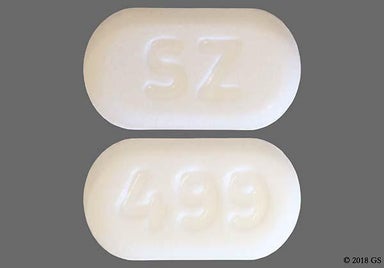
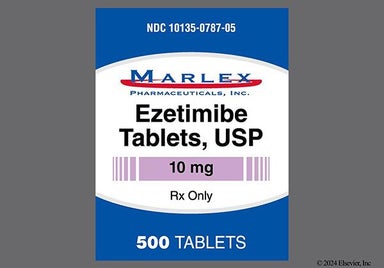
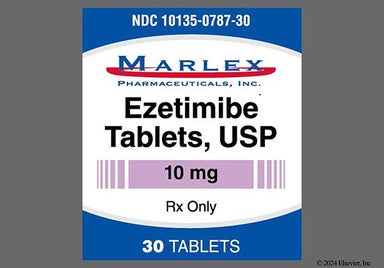
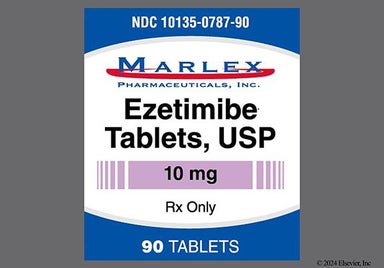
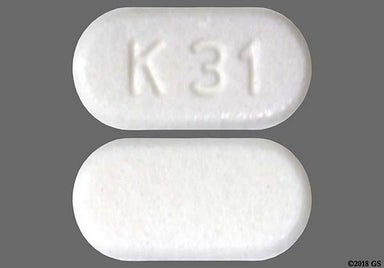
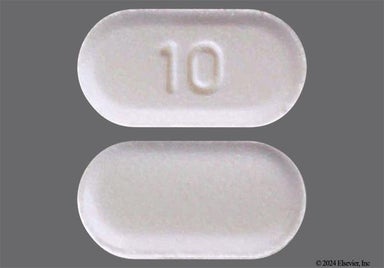
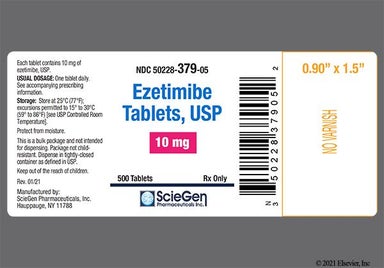
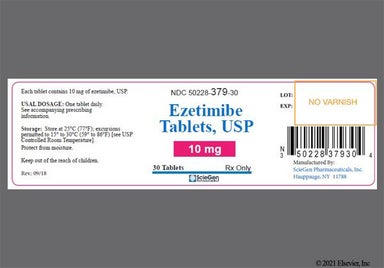
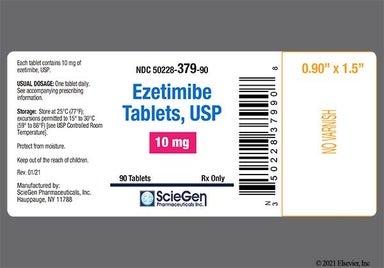
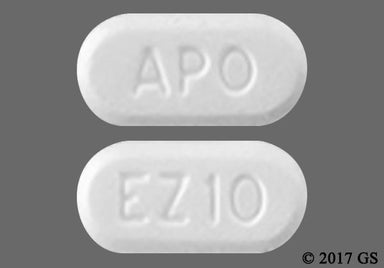
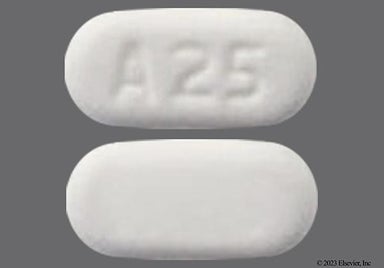
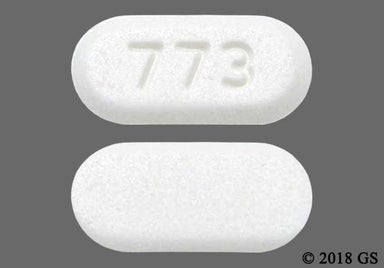
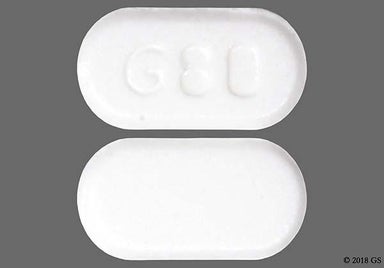
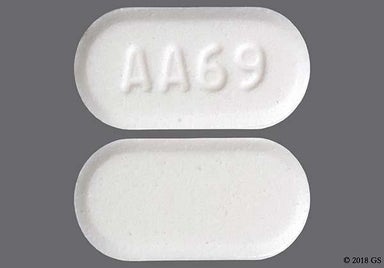
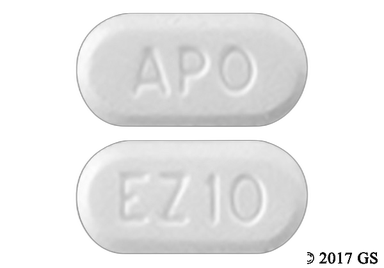
Ezetimibe (Zetia) images