


Synthroid for Thyroid Replacement Therapy: What You Should Know
Synthroid (levothyroxine) is the most popular thyroid replacement drug. Here are the important details, including how it compares to generic levothyroxine, dosage, and more.
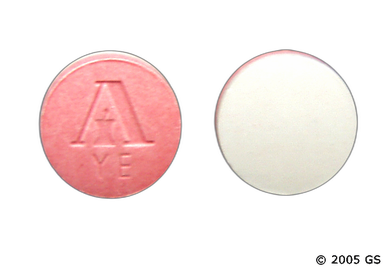
Levothyroxine/liothyronine, also known as liotrix, is a combination of thyroid hormones that refills your body's natural hormones. It treats symptoms of low thyroid hormone levels in your body, such as tiredness, weight gain, sensitivity to cold, and goiters, and helps manage thyroid cancer. This medication has been discontinued and is no longer available.

| Common Brands | Thyrolar |
|---|---|
| Drug Class | Triiodothyronine (T3) / Thyroxine (T4) |
| Controlled Substance Classification | Not a controlled medication |
| Generic Status | No lower-cost generic available |
| Availability | Discontinued |


Although certain medicines should not be used together at all, in other cases two different medicines may be used together even if an interaction might occur. In these cases, your doctor may want to change the dose, or other precautions may be necessary. When you are taking this medicine, it is especially important that your healthcare professional know if you are taking any of the medicines listed below. The following interactions have been selected on the basis of their potential significance and are not necessarily all-inclusive.
Using this medicine with any of the following medicines is usually not recommended, but may be required in some cases. If both medicines are prescribed together, your doctor may change the dose or how often you use one or both of the medicines.
Using this medicine with any of the following medicines may cause an increased risk of certain side effects, but using both drugs may be the best treatment for you. If both medicines are prescribed together, your doctor may change the dose or how often you use one or both of the medicines.


Prescription savings
Stop paying too much for your prescriptions. Compare prices, get pharmacy coupons, and save up to 80%. Find expert answers to your health questions so you can make the best decisions for yourself and your family.
Health conditions
Medications & treatment
Access & affordability
Medication discounts

Thyrolar treats low thyroid hormone levels in the body (hypothyroidism) and helps manage thyroid cancer. Since thyroid hormones regulate your metabolism, temperature, heart rate, and other important functions, low hormone levels can cause tiredness, sensitivity to cold, dry skin, weight gain, and slow heart rate. The combination medication contains two types of thyroid hormones, called thyroxine (also known as levothyroxine, or T4) and triiodothyronine (also known as liothyronine, or T3). These thyroid hormones help replace those naturally made by your thyroid gland and relieve symptoms of low hormone levels, including goiter (enlarged thyroid).
No, Thyrolar was discontinued in December 2018. The medication is no longer available.
The manufacturer (Allergen) decided to discontinue Thyrolar because of business reasons that were not specified. The manufacturer did not discontinue the medication because of concerns about the product's quality or safety or how well it works.
Currently, there are no combination medications specifically containing liothyronine and levothyroxine that are available. However, these ingredients are available as separate medications: liothyronine (Cytomel) and levothyroxine (Synthroid, Levoxyl). There is also a medication called Armour Thyroid (thyroid desiccated) that is a naturally-derived combination of the T3 and T4 thyroid hormones made by your thyroid gland. Ask your provider to see which alternative might be most beneficial for you.
