alvimopan
Alvimopan (Entereg) is an opioid antagonist. It helps adults recover more quickly from intestinal (gut) surgery by reversing the effects of opioid pain medication on the bowels. You typically take the first dose of alvimopan (Entereg) right before surgery, then continue taking it twice daily for up to a week while you recover in the hospital. The main side effect people experience from alvimopan (Entereg) is indigestion.


What is Alvimopan (Entereg)?
What is Alvimopan (Entereg) used for?
- Recovery after intestinal (gut) surgery
How Alvimopan (Entereg) works
Opioid pain medications are helpful for easing pain after gut surgery. But they can slow down movement in the stomach and intestines as a side effect. This can lead to longer recovery time and other serious problems, such as blockage in the intestines.
Alvimopan (Entereg) is an opioid antagonist. It blocks the effects of opioid medications in the stomach and intestines, without affecting how opioids work in the brain. This helps your gut to recover from surgery more quickly, without affecting how opioid medications treat pain.
Drug facts
| Common Brands | Entereg |
|---|---|
| Drug Class | Opioid antagonist |
| Controlled Substance Classification | Not a controlled medication |
| Generic Status | No lower-cost generic available |
| Availability | Prescription only |

Side effects of Alvimopan (Entereg)
The following side effects may get better over time as your body gets used to the medication. Let your healthcare provider know immediately if you continue to experience these symptoms or if they worsen over time.
Common Side Effects
- Indigestion (2%)
Alvimopan (Entereg) serious side effects
Contact your healthcare provider immediately if you experience any of the following.
- Heart attack: chest pain or pressure; cold sweat; lightheadedness; discomfort that spreads to the shoulder, arm, back, neck, jaw, teeth or sometimes the upper belly
The following Alvimopan (Entereg) side effects have also been reported
Along with its needed effects, a medicine may cause some unwanted effects. Although not all of these side effects may occur, if they do occur they may need medical attention.
Check with your doctor immediately if any of the following side effects occur:
More common
Acid or sour stomach
belching
bloated
convulsions
decreased urine
difficulty having a bowel movement (stool)
excess air or gas in stomach or intestines
full feeling
increased thirst
indigestion
irregular heartbeat
loss of appetite
mood changes
muscle pain or cramps
nausea or vomiting
numbness or tingling in hands, feet, or lips
pale skin
passing gas
shortness of breath
stomach discomfort, upset, or pain
troubled breathing with exertion
unusual bleeding or bruising
unusual tiredness or weakness
Less common
Decrease in frequency of urination
decrease in urine volume
difficulty in passing urine (dribbling)
Some side effects may occur that usually do not need medical attention. These side effects may go away during treatment as your body adjusts to the medicine. Also, your health care professional may be able to tell you about ways to prevent or reduce some of these side effects. Check with your health care professional if any of the following side effects continue or are bothersome or if you have any questions about them:
Less common
Back pain
Other side effects not listed may also occur in some patients. If you notice any other effects, check with your healthcare professional.
Call your doctor for medical advice about side effects. You may report side effects to the FDA at 1-800-FDA-1088.

Pros and cons of Alvimopan (Entereg)
Pros
- Started before surgery, so it helps to prevent opioid-related problems before they start
- Doesn't block the pain-relieving effects of opioid medications
- Few side effects if taken as directed
Cons
- Can only be taken while you're in the hospital
- Can't take for more than 7 days (15 doses)
- Can't be used if you've been taking opioid medications for more than 7 days in a row leading up to surgery

Pharmacist tips for Alvimopan (Entereg)

- Don't take alvimopan (Entereg) if you've been taking opioid medications for more than 7 days in a row leading up to surgery since you're more likely to get an upset stomach (e.g., nausea, vomiting, diarrhea).
- Alvimopan (Entereg) is available only through a restricted program (Alvimopan REMS), because it can cause a heart attack if used for too long.
- You'll only be able to get alvimopan (Entereg) while you're in the hospital for surgery. You'll get your first dose 30 minutes to 5 hours before surgery. You can't take this medication for more than 7 days (14 doses) after surgery, and you can't take it after you go home.
- Alvimopan (Entereg) can be taken with or without food. The dose that you take before surgery will probably have to be on an empty stomach.
- If you have liver or kidney problems, you might be more likely to have stomach upset from taking alvimopan (Entereg). Let your provider know if you're experiencing indigestion, nausea, vomiting, or diarrhea.

Risks and warnings for Alvimopan (Entereg)
Alvimopan (Entereg) can cause some serious health issues. This risk may be even higher for certain groups. If this worries you, talk to your doctor or pharmacist about other options.
Risk of heart attack
- Risk factors: Using alvimopan (Entereg) for a long period of time
 Alvimopan (Entereg) can potentially raise the risk a heart attack if taken long-term (longer than 1 month). But because alvimopan (Entereg) is prescribed for a maximum of one week during the hospital stay, you're unlikely to experience this side effect if you take it as directed.
 But because of this potential side effect, you can only get alvimopan (Entereg) if your provider and the hospital are enrolled in the Alvimopan Risk Evaluation and Mitigation Strategy (REMS) Program. This makes sure that alvimopan (Entereg) is only used short-term to lower the risk of heart attack.
Stomach upset
- Risk factors: Recent use of opioid medications
Alvimopan (Entereg) can cause stomach pain, nausea, vomiting, and diarrhea, especially in people who've recently taken opioid pain medications. You can't take this medication if you took opioids for more than 7 days in a row leading up to surgery.
Caution with liver or kidney disease
The liver is responsible for breaking down alvimopan (Entereg). If you have severe liver problems, alvimopan (Entereg) can build up in the body, which can lead to more side effects. For this reason, people with severe liver disease can't take alvimopan (Entereg).
Alvimopan (Entereg) is also not recommended for people with severe (end-stage) kidney problems, since the clinical studies didn't include people with this condition. This means that we don't know how well the medication works or how safe it is for people with severe kidney problems.
If you have mild or moderate liver or kidney problems, you might have more side effects, or your provider might recommend a different medication to help you recover after surgery.
Caution with certain stomach conditions
Alvimopan (Entereg) isn't recommended for people with intestinal (gut) blockage or recovery from surgery to fix this blockage. This medication should also be avoided if you have had certain surgical procedures (anastomoses) on the pancreas or stomach. The clinical studies didn't include people with these conditions, so we don't know how well alvimopan (Entereg) works or how safe it is for these people.

Alvimopan (Entereg) dosage
Typical dosage for Alvimopan (Entereg)
You can only receive alvimopan (Entereg) while you're in the hospital.
- The typical dose is 12 mg by mouth 30 minutes to 5 hours before surgery. Starting the day after surgery, the typical dose is 12 mg by mouth twice daily for no more than 7 days. You shouldn't receive more than 15 total doses.

Interactions between Alvimopan (Entereg) and other drugs
Although certain medicines should not be used together at all, in other cases two different medicines may be used together even if an interaction might occur. In these cases, your doctor may want to change the dose, or other precautions may be necessary. When you are taking this medicine, it is especially important that your healthcare professional know if you are taking any of the medicines listed below. The following interactions have been selected on the basis of their potential significance and are not necessarily all-inclusive.
Using this medicine with any of the following medicines is usually not recommended, but may be required in some cases. If both medicines are prescribed together, your doctor may change the dose or how often you use one or both of the medicines.
- Morphine
- Morphine Sulfate Liposome
- Naldemedine
- Naloxegol
- Oxycodone
- Oxymorphone

Alvimopan (Entereg) contraindications
Contraindications are specific health conditions or situations in which a person should not take a medication due to safety concerns. If you have any of the following conditions or if any of the following apply to you, let your healthcare provider know because Alvimopan (Entereg) will not be safe for you to take.
- Taking opioid medications for more than 7 days in a row leading up to surgery

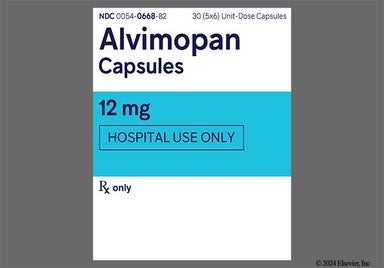
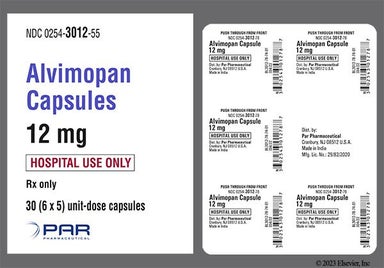
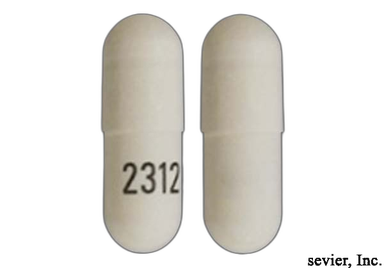
Alvimopan (Entereg) images