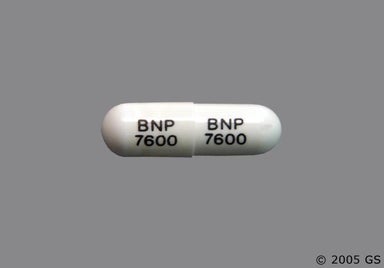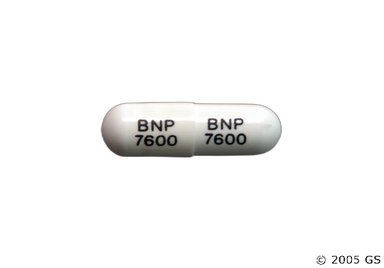
Elmiron
Elmiron (pentosan) is a urinary analgesic used to treat bladder pain and discomfort caused by bladder pain syndrome (interstitial cystitis). This medication has been studied in people 16 years and older. The usual dosage is 1 capsule taken by mouth three times a day. Potential side effects include nausea and hair loss. More serious side effects can include eye damage like changes in the retina and vision problems.


What is Elmiron (pentosan)?
What is Elmiron (pentosan) used for?
- Bladder pain and discomfort caused by bladder pain syndrome (interstitial cystitis)
How Elmiron (pentosan) works
Elmiron (pentosan) is a urinary analgesic. It's not fully clear how it works. But it’s believed that the medication works by forming a protective layer on the bladder wall, which helps to shield the bladder from harmful substances in urine that can cause irritation and pain.
Drug facts
| Common Brands | Elmiron |
|---|---|
| Drug Class | Urinary analgesic |
| Controlled Substance Classification | Not a controlled medication |
| Generic Status | No lower-cost generic available |
| Availability | Prescription only |

Side effects of Elmiron (pentosan)
The following side effects may get better over time as your body gets used to the medication. Let your healthcare provider know immediately if you continue to experience these symptoms or if they worsen over time.
Common Side Effects
- Hair loss (4%)
- Diarrhea (4%)
- Nausea (4%)
- Headache (3%)
- Rash (3%)
- Stomach pain (2%)
- Upset stomach (2%)
- Abnormal liver tests (1%)
- Dizziness (1%)
Less Common Side Effects
- Rectal bleeding
- Gas
- Constipation
- Loss of appetite
- Bleeding from your gums
- Changes in your blood count
- Sore throat
- Stuffy nose
- Itchiness
- Hives
Elmiron (pentosan) serious side effects
Contact your healthcare provider immediately if you experience any of the following.
- Changes in the retina of the eye (pigmentary maculopathy): difficulty reading, blurred vision, vision takes longer to adjust to dim light
The following Elmiron (pentosan) side effects have also been reported
Along with its needed effects, a medicine may cause some unwanted effects. Although not all of these side effects may occur, if they do occur they may need medical attention.
Check with your doctor immediately if any of the following side effects occur:
Less common
Black, tarry stools
bleeding of the gums
blindness
blood in the urine or stools
blue-yellow color
blurred, decreased, or other changes in vision
bruising
burning, dry, or itching eyes
burning feeling in the chest or stomach
chest pain or tightness
chills
difficulty breathing or swallowing
discharge, excessive tearing
dizziness
fast heartbeat
indigestion
large, flat, blue or purplish patches in the skin
loss of appetite
nosebleed
painful or difficult urination
pain or burning in the throat
pale skin
pinpoint red spots on the skin
puffiness or swelling of the eyelids or around the eyes, face, lips, or tongue
sores, ulcers, or white spots on the lips or tongue or inside the mouth
stomach cramps, tenderness, or upset
swollen glands
uncontrolled eye movements
unusual bleeding or bruising
unusual tiredness or weakness
vomiting
watery or bloody diarrhea
Rare
Yellow eyes or skin
Some side effects may occur that usually do not need medical attention. These side effects may go away during treatment as your body adjusts to the medicine. Also, your health care professional may be able to tell you about ways to prevent or reduce some of these side effects. Check with your health care professional if any of the following side effects continue or are bothersome or if you have any questions about them:
Less common
Belching
body aches or pain
continuing ringing or buzzing or other unexplained noise in ears
discouragement
dizziness
dryness of the throat
excess air or gas in the stomach or bowels
feeling sad or empty
full feeling
headache
hearing loss
hoarseness
increased body movements
increased sensitivity of skin to sunlight
increased sweating
indigestion
irritability
itching of the vagina or genital area
loss of interest or pleasure
pain during sexual intercourse
passing gas
redness or other discoloration of the skin
runny or stuffy nose
severe sunburn
stomach discomfort, upset, or pain
thick, white vaginal discharge with no odor or with a mild odor
thinning or loss of hair
trouble concentrating
trouble sleeping
voice changes
Rare
Absent, missed, or irregular menstrual periods
difficulty in moving
joint pain
muscle pain or stiffness
stopping of menstrual bleeding
Other side effects not listed may also occur in some patients. If you notice any other effects, check with your healthcare professional.
Call your doctor for medical advice about side effects. You may report side effects to the FDA at 1-800-FDA-1088.

Get your GoodRx coupon

Pros and cons of Elmiron (pentosan)
Pros
- Only oral medication approved by the FDA for bladder pain syndrome
- Can relieve bladder discomfort and pain
- Can be used in people 16 years and older
Cons
- Must be taken 3 times per day
- Can take 3 to 6 months to start working
- Needs to be taken on an empty stomach

Pharmacist tips for Elmiron (pentosan)

- Take Elmiron (pentosan) 3 times per day with water on an empty stomach. To make sure your stomach is empty, take the medication 1 hour before or 2 hours after meals.
- It's important to take Elmiron (pentosan) consistently, even if you don't feel relief right away. It might take 3 to 6 months for you to see any improvement in your bladder symptoms.
- Elmiron (pentosan) can make you bleed more easily, especially if you're taking blood thinners or NSAIDs. Speak to your prescriber if you have blood in your stool, nosebleeds, or if you're bruising easily.
- Let your prescriber know if you have a medical procedure or surgery planned. They might have you stop taking Elmiron (pentosan) before the procedure.
- Elmiron (pentosan) can cause changes in the retina of the eye, which can occur even after you stop taking the medication. Make sure to get all recommended eye exams done on time and tell your care team if you notice any changes in your vision.

Risks and warnings for Elmiron (pentosan)
Elmiron (pentosan) can cause some serious health issues. This risk may be even higher for certain groups. If this worries you, talk to your doctor or pharmacist about other options.
Changes in the retina of the eye (pigmentary maculopathy)
Taking Elmiron (pentosan) can cause changes in the retina of your eye, known as pigmentary maculopathy, which can affect your vision. These changes might be permanent even after you stop taking Elmiron (pentosan). If you experience difficulty reading, blurred vision, or if your vision is slow to adjust to dim light, contact your prescriber right away. They will recommend regular eye exams while you're taking Elmiron (pentosan) to catch any changes to your eye early on.
Risk of bleeding
- Risk factors: Taking Elmiron (pentosan) with blood thinners, high doses of aspirin, or NSAIDs
Elmiron (pentosan) can cause bleeding. If you're taking blood thinners, high doses of aspirin, or NSAIDs, your risk of bleeding is even higher. Let your prescriber know right away if you have blood in your stool, nosebleeds, or if you're bruising easier.
Risk of liver problems
- Risk factors: History of liver problems
Elmiron (pentosan) can cause abnormal liver tests, though that doesn't always lead to liver problems. Your liver is involved in breaking down Elmiron (pentosan) and clearing it from your body. Let your prescriber know if you have a history of liver problems because your risk of having side effects from taking this medication might be higher.

Elmiron (pentosan) dosage
 Capsule
| Dosage | Quantity | Price as low as | Price per unit |
|---|---|---|---|
| 100mg | 90 capsules | $1,096.01 | $12.18 |
Typical dosage for Elmiron (pentosan)
The typical dose is 100 mg by mouth 3 times per day with water, at least 1 hour before or 2 hours after meals.

Interactions between Elmiron (pentosan) and other drugs
Although certain medicines should not be used together at all, in other cases two different medicines may be used together even if an interaction might occur. In these cases, your doctor may want to change the dose, or other precautions may be necessary. When you are taking this medicine, it is especially important that your healthcare professional know if you are taking any of the medicines listed below. The following interactions have been selected on the basis of their potential significance and are not necessarily all-inclusive.
Using this medicine with any of the following medicines is usually not recommended, but may be required in some cases. If both medicines are prescribed together, your doctor may change the dose or how often you use one or both of the medicines.
- Aceclofenac
- Acemetacin
- Acenocoumarol
- Alteplase, Recombinant
- Amtolmetin Guacil
- Anistreplase
- Apixaban
- Argatroban
- Aspirin
- Bemiparin
- Bivalirudin
- Bromfenac
- Bufexamac
- Celecoxib
- Chamomile
- Choline Salicylate
- Citalopram
- Clonixin
- Dabigatran Etexilate
- Dalteparin
- Danaparoid
- Desirudin
- Dexibuprofen
- Dexketoprofen
- Diclofenac
- Diflunisal
- Dipyrone
- Drotrecogin Alfa
- Droxicam
- Enoxaparin
- Escitalopram
- Etodolac
- Etofenamate
- Etoricoxib
- Felbinac
- Fenoprofen
- Fepradinol
- Feprazone
- Floctafenine
- Flufenamic Acid
- Fluoxetine
- Flurbiprofen
- Fluvoxamine
- Fondaparinux
- Garlic
- Heparin
- Ibuprofen
- Ibuprofen Lysine
- Indomethacin
- Ketoprofen
- Ketorolac
- Lepirudin
- Lornoxicam
- Loxoprofen
- Lumiracoxib
- Meclofenamate
- Mefenamic Acid
- Meloxicam
- Milnacipran
- Morniflumate
- Nabumetone
- Nadroparin
- Naproxen
- Nepafenac
- Niflumic Acid
- Nimesulide
- Nimesulide Beta Cyclodextrin
- Oxaprozin
- Oxyphenbutazone
- Papaya
- Parecoxib
- Phenindione
- Phenprocoumon
- Phenylbutazone
- Piketoprofen
- Piroxicam
- Proglumetacin
- Propionic Acid
- Propyphenazone
- Proquazone
- Protein C
- Reteplase, Recombinant
- Rivaroxaban
- Rofecoxib
- Salicylic Acid
- Salsalate
- Sertraline
- Sodium Salicylate
- St John's Wort
- Streptokinase
- Sulindac
- Tan-Shen
- Tenecteplase
- Tenoxicam
- Tiaprofenic Acid
- Tinzaparin
- Tolfenamic Acid
- Tolmetin
- Urokinase
- Valdecoxib
- Venlafaxine
- Warfarin
Using this medicine with any of the following medicines may cause an increased risk of certain side effects, but using both drugs may be the best treatment for you. If both medicines are prescribed together, your doctor may change the dose or how often you use one or both of the medicines.
- Chondroitin
- Coenzyme Q10
- Curcumin
- Dong Quai
- Ginger
- Vitamin A

How much does Elmiron (pentosan) cost?
$1,096.01

Elmiron (pentosan) contraindications
Contraindications are specific health conditions or situations in which a person should not take a medication due to safety concerns. If you have any of the following conditions or if any of the following apply to you, let your healthcare provider know because Elmiron (pentosan) will not be safe for you to take.
- Allergy or sensitivity to Elmiron (pentosan) or heparin products

Elmiron (pentosan) images