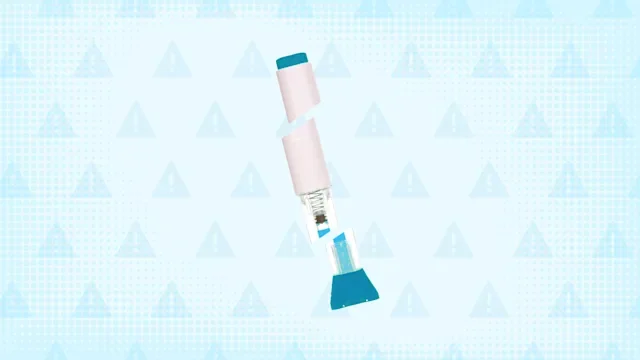
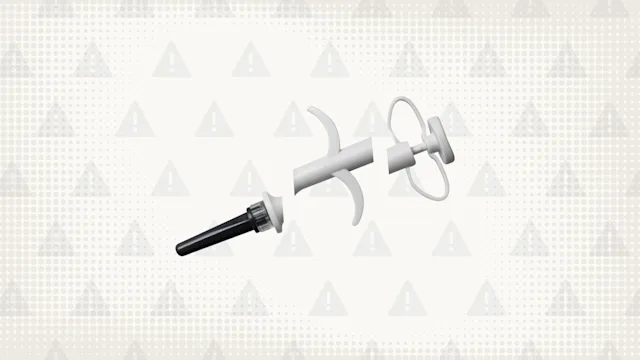
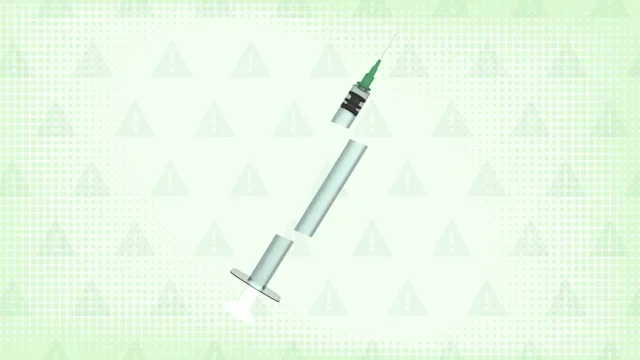
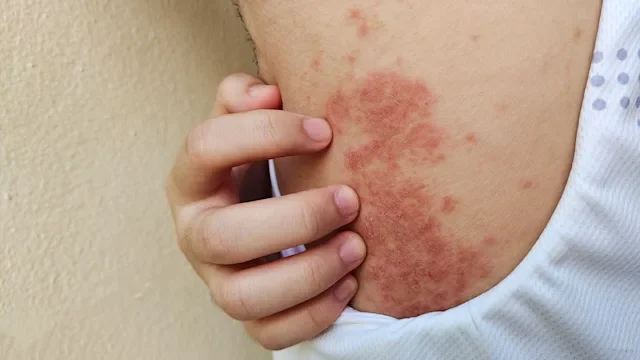
You may be familiar with some common biologics, such as Botox, insulins, and vaccines. Biosimilars are somewhat like a generic version of biosimilars. A biosimilar is highly similar to the original biologic. Since they’re not a carbon copy, they’re not called generics.
In this video, learn what biosimilars are (and how they’re different from generic medications), according to Stacia Woodcock, PharmD, Pharmacy Editor at GoodRx, and Alyssa Billingsley, PharmD, Director of Pharmacy Content at GoodRx.
Stacia Woodcock, PharmD, is a pharmacy editor for GoodRx. She earned her Doctor of Pharmacy degree from the University of Kentucky and is licensed in New York and Massachusetts.
Alyssa Billingsley, PharmD, is a pharmacist on the GoodRx team with a decade of experience. She is also an adjunct faculty at St. Louis College of Pharmacy, where she graduated with a doctorate in pharmacy. She is licensed to practice in Missouri and is a member of the National Council of Prescription Drug Programs (NCPDP) and the Healthcare Information and Management Systems Society (HIMSS). Prior to GoodRx, Alyssa worked in both clinical and administrative roles. She was recognized with the Distinguished Alumnus Outstanding Achievement Award in 2017 for her work in developing pharmacy programs to expand patient access to quality medications.
References
National Institutes of Health. (n.d.). Biologic.
Federal Trade Commission. (2023). Are you on a biologic medication? What you need to know about biosimilar treatment options.
U.S. Food and Drug Administration. (2023). Biosimilar basics for patients.
U.S. Food and Drug Administration. (2023). Purple book database of licensed biological products: Patent list.

Why trust our experts?