


4 Ways to Help Someone With a Meth Addiction
Watching a loved one deal with meth addiction is deeply painful. There are ways you can help. Learn what to say and how you can help someone find care.
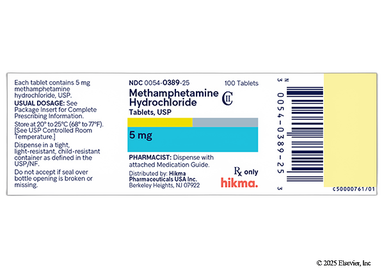
Methamphetamine (Desoxyn) is a stimulant medication. It's FDA-approved to treat attention deficit-hyperactivity disorder (ADHD), but it's not commonly prescribed because other options are preferred. Some side effects of methamphetamine (Desoxyn) include restlessness, high blood pressure, and low appetite. Methamphetamine (Desoxyn) is a controlled substance with a risk of addiction and dependence.

Methamphetamine (Desoxyn) is a stimulant medication. It's thought to treat ADHD by raising the levels of chemicals in your brain called norepinephrine, serotonin, and dopamine. As a result, this can improve attention, focus, and wakefulness.
| Common Brands | Desoxyn |
|---|---|
| Drug Class | Stimulant |
| Controlled Substance Classification | Schedule II |
| Generic Status | Lower-cost generic available |
| Availability | Prescription only |

Methamphetamine (Desoxyn) can cause some serious health issues. This risk may be even higher for certain groups. If this worries you, talk to your doctor or pharmacist about other options.
 Methamphetamine (Desoxyn) has a risk of addiction, misuse, and dependence. Only take methamphetamine (Desoxyn) as directed by a provider. Taking methamphetamine (Desoxyn) not as prescribed can raise the risk for overdose and life-threatening side effects. Suddenly stopping methamphetamine (Desoxyn) without first consulting a provider can result in withdrawal symptoms like irritability, nightmares, and sleep problems.
There have been reports of sudden death, stroke, and heart attack in people who took methamphetamine (Desoxyn) at usual doses. Tell your provider if you have a history of heart problems before starting methamphetamine (Desoxyn) because there might be safer options for you. Methamphetamine (Desoxyn) can also raise blood pressure and heart rate, so people who take this medication should check their blood pressure and heart rate regularly. Contact your provider if you experience unexplained fainting, chest pain with physical activity, or irregular heartbeat while you're taking methamphetamine (Desoxyn).
Taking a stimulant like methamphetamine (Desoxyn) can cause mental health problems such as hallucinations (seeing things that aren't really there), abnormal or unclear thinking, and mania. This medication can worsen mood-related problems that you already have. But these changes in mood or behavior can also happen even if you haven't had these problems before. Talk to your provider right away if you have these mood- and behavior-related symptoms while you're taking methamphetamine (Desoxyn) because you might have to stop taking it.
Although rare, methamphetamine (Desoxyn) might raise the risk for seizures. If this happens, get medical help right away. You'll likely have to stop taking methamphetamine (Desoxyn).
Methamphetamine (Desoxyn) might be linked to poor blood circulation problems, such as Raynaud's phenomenon. People with Raynaud's phenomenon can experience episodes of poor blood flow to the fingers and toes, which can cause the skin to turn pale and to feel cold, numb, or painful. If this happens, symptoms are typically mild. But rarely, it can cause sores or ulcers in more serious cases. Let your healthcare provider know if you notice symptoms of circulation problems, such as bouts of numbness or pain in your fingers or toes. Your provider might need to lower your dose of methamphetamine (Desoxyn) or ask you to consider a different medication.
There's a risk that stimulants, like methamphetamine (Desoxyn), can slow growth and cause weight loss in children. Your child's provider will track your child's growth progress closely. If they suspect slowed growth, they might pause or stop your child's methamphetamine (Desoxyn) treatment. Talk to your child's provider if you have concerns.
Serotonin syndrome is a rare, but potentially life-threatening condition that happens when there's too much serotonin in the brain. Serotonin is one of the chemicals in your brain responsible for your mood. Your risk for this condition goes up if you use methamphetamine (Desoxyn) with other medications that affect serotonin levels, such as antidepressants, MAOIs (e.g., phenelzine (Nardil)), linezolid (Zyvox), and migraine medications like sumatriptan (Imitrex). Tell your provider about all the medications you take or plan to take before starting methamphetamine (Desoxyn). Be aware of symptoms of serotonin syndrome, such as fast heart rate, sweating, muscle stiffness or spasms, high fever, and confusion. Get medical help right away if you have any of these symptoms.
Taking stimulants, like methamphetamine (Desoxyn), can lead to or worsen motor and verbal tics (including Tourette’s syndrome). If you start notice things like uncontrolled muscle twitches, let your provider know. If needed, they might switch you to a different medication.

The following side effects may get better over time as your body gets used to the medication. Let your healthcare provider know immediately if you continue to experience these symptoms or if they worsen over time.
Contact your healthcare provider immediately if you experience any of the following.
Along with its needed effects, a medicine may cause some unwanted effects. Although not all of these side effects may occur, if they do occur they may need medical attention.
Check with your doctor immediately if any of the following side effects occur:
Rare
Agitation
delusions
hallucinations
Incidence not known
Blurred vision
chest discomfort or pain
dark-colored urine
difficulty breathing
dizziness
faintness
false or unusual sense of wellbeing
fast, pounding, or irregular heartbeat or pulse
headache
muscle cramps or spasms
muscle pain or stiffness
pounding in the ears
restlessness
shakiness in the legs, arms, hands, or feet
swelling of the feet or lower legs
trembling or shaking of the hands or feet
trouble sleeping
twitching, twisting, or uncontrolled repetitive movements of the tongue, lips, face, arms, or legs
uncontrolled vocal outbursts and tics
unusual tiredness or weakness
Some side effects may occur that usually do not need medical attention. These side effects may go away during treatment as your body adjusts to the medicine. Also, your health care professional may be able to tell you about ways to prevent or reduce some of these side effects. Check with your health care professional if any of the following side effects continue or are bothersome or if you have any questions about them:
Other side effects not listed may also occur in some patients. If you notice any other effects, check with your healthcare professional.
Call your doctor for medical advice about side effects. You may report side effects to the FDA at 1-800-FDA-1088.




 Tablet
| Dosage | Quantity | Price as low as | Price per unit |
|---|---|---|---|
| 5mg | 60 tablets | $157.33 | $2.62 |

Although certain medicines should not be used together at all, in other cases two different medicines may be used together even if an interaction might occur. In these cases, your doctor may want to change the dose, or other precautions may be necessary. When you are taking this medicine, it is especially important that your healthcare professional know if you are taking any of the medicines listed below. The following interactions have been selected on the basis of their potential significance and are not necessarily all-inclusive.
Using this medicine with any of the following medicines is not recommended. Your doctor may decide not to treat you with this medication or change some of the other medicines you take.
Using this medicine with any of the following medicines is usually not recommended, but may be required in some cases. If both medicines are prescribed together, your doctor may change the dose or how often you use one or both of the medicines.


Contraindications are specific health conditions or situations in which a person should not take a medication due to safety concerns. If you have any of the following conditions or if any of the following apply to you, let your healthcare provider know because Methamphetamine (Desoxyn) will not be safe for you to take.




Prescription savings
Stop paying too much for your prescriptions. Compare prices, get pharmacy coupons, and save up to 80%. Find expert answers to your health questions so you can make the best decisions for yourself and your family.
Health conditions
Medications & treatment
Access & affordability
Medication discounts


No, Methamphetamine is a stimulant used for treating ADHD; it's not an opioid pain medication.
If a person takes more Methamphetamine than recommended by a provider, they can experience an overdose. Signs and symptoms of an overdose include rapid breathing, aggression, confusion, panic, and restlessness. If you or a loved one noticed signs and symptoms of an overdose, seek medical help right away.
The main difference between amphetamines (e.g., Adderall) and Methamphetamine is that Methamphetamine is rarely prescribed for ADHD, compared to amphetamines. This is because Methamphetamine has higher risk for addiction and dependance, as well as serious side effects. Talk with your provider if you've questions about medication options for ADHD.
Reports show that Methamphetamine can raise the risk for serious birth defects. In addition, babies born to mothers who took amphetamines during pregnancy have experienced withdrawal symptoms, such as agitation and restlessness, after birth. If you're pregnant or thinking of becoming pregnant, talk with your provider about options for treating ADHD.
