


Which Brands Went Generic for the First Time in 2020?
After years of record-high generic approvals, the FDA approved fewer generic drugs in fiscal year 2020. Find out which medications made the list at GoodRx.
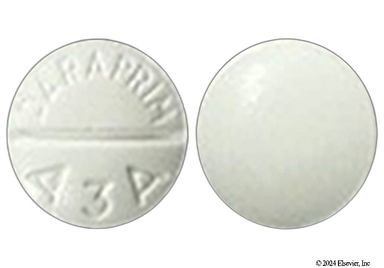
Pyrimethamine (Daraprim) is used to treat toxoplasmosis, an infection caused by a parasite. You have to take it with two additional medications: one to help fight the infection and another to lower the side effects from pyrimethamine (Daraprim). In addition, you have to get pyrimethamine (Daraprim) from a special pharmacy, and it's very expensive.

Pyrimethamine (Daraprim) is an antiparasitic agent. It kills parasites by blocking folic acid, a nutrient that parasites need to live and grow.
| Common Brands | Daraprim |
|---|---|
| Drug Class | Antiparasitic agent |
| Controlled Substance Classification | Not a controlled medication |
| Generic Status | No lower-cost generic available |
| Availability | Prescription only |

The following side effects may get better over time as your body gets used to the medication. Let your healthcare provider know immediately if you continue to experience these symptoms or if they worsen over time.
Contact your healthcare provider immediately if you experience any of the following.
Along with its needed effects, a medicine may cause some unwanted effects. Although not all of these side effects may occur, if they do occur they may need medical attention.
Check with your doctor immediately if any of the following side effects occur:
Incidence not known
Black, tarry stools
bleeding gums
blistering, peeling, or loosening of the skin
blood in the urine or stools
chills
difficulty swallowing
dizziness
fainting spells
fast or irregular heartbeat
irritation or soreness of the tongue
joint or muscle pain
lower back or side pain
puffiness or swelling of the eyelids or around the eyes, face, lips, or tongue
painful or difficult urination
pale skin
pinpoint red spots on the skin
red, irritated eyes
red skin lesions, often with a purple center
sores, ulcers, or white spots on the lips or in the mouth
swollen glands
tightness in the chest
unusual bleeding or bruising
Some side effects may occur that usually do not need medical attention. These side effects may go away during treatment as your body adjusts to the medicine. Also, your health care professional may be able to tell you about ways to prevent or reduce some of these side effects. Check with your health care professional if any of the following side effects continue or are bothersome or if you have any questions about them:
Other side effects not listed may also occur in some patients. If you notice any other effects, check with your healthcare professional.
Call your doctor for medical advice about side effects. You may report side effects to the FDA at 1-800-FDA-1088.




Pyrimethamine (Daraprim) can cause some serious health issues. This risk may be even higher for certain groups. If this worries you, talk to your doctor or pharmacist about other options.
Pyrimethamine (Daraprim) can cause changes to the blood cells in your body, which can cause a wide range of problems. Symptoms of anemia (low red blood cells) include tiredness, weakness, pale skin, irregular heartbeats, shortness of breath, and dizziness. Let your provider know if you experience any of these symptoms, if you get sick more often (low white blood cells), or if you bleed more easily (low platelets). Your provider might lower your dose of pyrimethamine (Daraprim) to help with these side effects. Your healthcare provider will also check your blood levels frequently while you take this medication to make sure your blood cell counts are within normal range.
Pyrimethamine (Daraprim) can cause the folic acid levels in your body to drop. Low folic acid can lead to anemia (low red blood cell count). Your risk is higher if you have any conditions that cause low folic acid, such as problems with absorption, alcoholism, pregnancy. Let your provider know if you experience any symptoms of anemia (mentioned above).
Pyrimethamine (Daraprim) can cause seizures at doses 300 mg or higher. If you have a history of convulsions or seizures, your provider might prescribe a lower starting dose of pyrimethamine (Daraprim) to help prevent more seizures from happening while you're taking the medication. Let your provider know if you've had seizures in the past.
If you notice a sore throat, blood spots on the skin, skin paleness, trouble breathing, rash, extreme itching, or swelling of the tongue, lips or neck, stop taking pyrimethamine (Daraprim) right away and call your healthcare provider. These can be signs of a life-threatening allergic reaction to the medication.

The typical starting dose for adults is 50 mg to 75 mg by mouth per day for 1 to 3 weeks. After 3 weeks, the dose will be lowered by 50% and continued for another 4 to 5 weeks. This medication must be taken together with a sulfonamide medication (e.g., sulfadiazine) and leucovorin.

Although certain medicines should not be used together at all, in other cases two different medicines may be used together even if an interaction might occur. In these cases, your doctor may want to change the dose, or other precautions may be necessary. When you are taking this medicine, it is especially important that your healthcare professional know if you are taking any of the medicines listed below. The following interactions have been selected on the basis of their potential significance and are not necessarily all-inclusive.
Using this medicine with any of the following medicines is not recommended. Your doctor may decide not to treat you with this medication or change some of the other medicines you take.
Using this medicine with any of the following medicines is usually not recommended, but may be required in some cases. If both medicines are prescribed together, your doctor may change the dose or how often you use one or both of the medicines.
Using this medicine with any of the following medicines may cause an increased risk of certain side effects, but using both drugs may be the best treatment for you. If both medicines are prescribed together, your doctor may change the dose or how often you use one or both of the medicines.



Prescription savings
Stop paying too much for your prescriptions. Compare prices, get pharmacy coupons, and save up to 80%.Resources
About GoodRx
 Find expert answers to your health questions so you can make the best decisions for yourself and your family.
Health conditions
Medications & treatment
Access & affordability
Well-being
Medication discounts

No, Pyrimethamine is only available through a special program that delivers your medication to you. Your healthcare provider will set this up for you if they prescribe Pyrimethamine.
You must take Pyrimethamine with a sulfonamide medication and leucovorin. This is because Pyrimethamine stops parasites from being able to make folic acid, an important nutrient for our living cells and bodies. The medication also affects our own folic acid production, so you have to take leucovorin (a medication similar to folic acid) to lessen this effect on our bodies.
Although there is a generic version of Pyrimethamine, the price of the medication was raised overnight from about $13.50 per tablet to about $750 per tablet in a major drug controversy in 2015.
Anyone who comes into contact with the Toxoplasma gondii parasite can get toxoplasmosis. Some possible sources include undercooked meat, cat litter (some cats can have the parasite in their stool), or reception of a contaminated organ during transplant.
Talk to your healthcare provider if you are pregnant or plan on becoming pregnant. You'll need to discuss the risks and benefits of taking the medication while pregnant, since birth defects were seen in some animal studies.
