


The Best Ear Infection Treatments: Antibiotics and OTC Medications
Many ear infections resolve on their own, but sometimes you’ll need medication. See the best ear infection treatments, including antibiotics and home remedies.
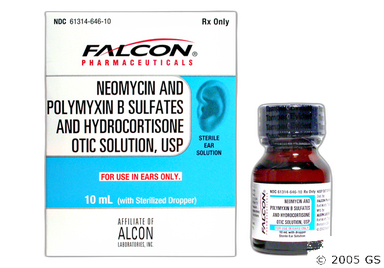
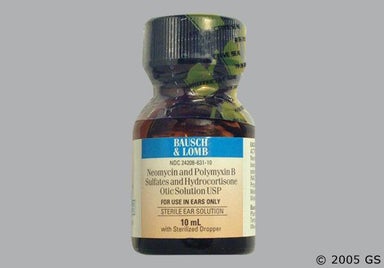
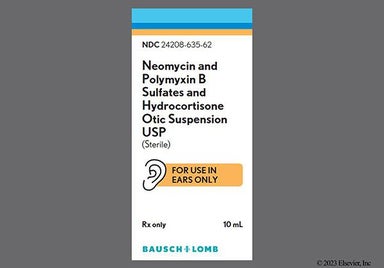
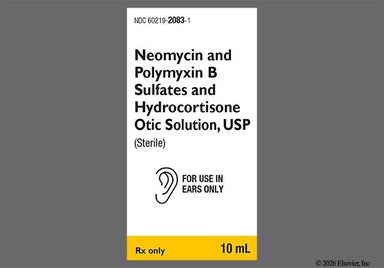
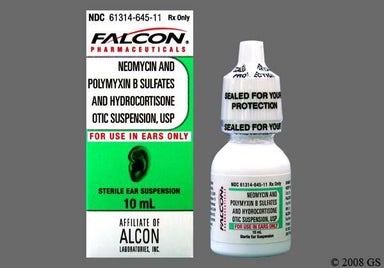
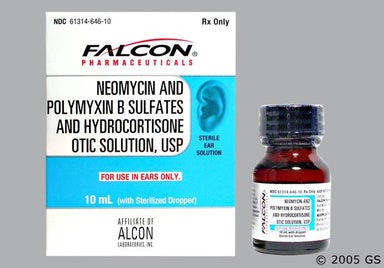
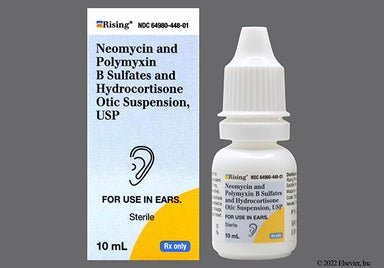
Cortisporin Otic is an ear drop that contains three medications: two antibiotics (neomycin, polymyxin) and a corticosteroid (hydrocortisone). It's a good option for treating outer ear infections in adults and children. The typical dose is to place 3 to 4 drops into the affected ear three to four times a day for up to 10 days. Some people have reported burning and stinging as side effects. Brand name Cortisporin Otic has been discontinued; this medication is only available as a generic.

Cortisporin Otic is a combination of two antibiotics and a corticosteroid.
| Common Brands | Cortisporin |
|---|---|
| Drug Class | Anti-infective / Corticosteroid |
| Controlled Substance Classification | Not a controlled medication |
| Generic Status | Lower-cost generic available |
| Availability | Prescription only |

The following side effects may get better over time as your body gets used to the medication. Let your healthcare provider know immediately if you continue to experience these symptoms or if they worsen over time.
Along with its needed effects, a medicine may cause some unwanted effects. Although not all of these side effects may occur, if they do occur they may need medical attention.
Check with your doctor immediately if any of the following side effects occur:
More common
Itching, skin rash, redness, swelling, or other signs of irritation in or around the ear not present before the use of this medicine
Rare
Stinging and burning feeling in the middle ear
Incidence not known
Blood in the urine
change in the frequency of urination or amount of urine
difficulty in breathing
dizziness
drowsiness
feeling of fullness in the ears
increased thirst
loss of appetite
loss of balance
loss of hearing
ringing or buzzing in the ears
swelling of the feet or lower legs
trouble in hearing
vomiting
weakness
Some side effects may occur that usually do not need medical attention. These side effects may go away during treatment as your body adjusts to the medicine. Also, your health care professional may be able to tell you about ways to prevent or reduce some of these side effects. Check with your health care professional if any of the following side effects continue or are bothersome or if you have any questions about them:
Other side effects not listed may also occur in some patients. If you notice any other effects, check with your healthcare professional.
Call your doctor for medical advice about side effects. You may report side effects to the FDA at 1-800-FDA-1088.



How to use Cortisporin Otic ear drop:

Cortisporin Otic can cause some serious health issues. This risk may be even higher for certain groups. If this worries you, talk to your doctor or pharmacist about other options.
Neomycin, one of the antibiotics in Cortisporin Otic, can damage parts of your ear and lead to hearing loss. The risk becomes higher the more often you use this medication. You're unlikely to experience hearing loss from using Cortisporin Otic as directed because this medication is only prescribed short-term. Avoid using this medication for more than 10 days in a row.
If the ear becomes more irritated or you see a rash around your ear, stop using Cortisporin Otic and contact your prescriber right away. You might be allergic to one of the medications in Cortisporin Otic or one of the ingredients used to make the solution.
Cortisporin Otic can cause fungi or untreated bacteria to grow too much and cause another infection. Contact a healthcare professional (HCP) if you or your child complains of fever or pain, or the drainage from the ears hasn't lessened after a week.

 Ear dropper
| Dosage | Quantity | Price as low as | Price per unit |
|---|---|---|---|
| 10ml | 1 ear dropper | $30.84 | $30.84 |

Although certain medicines should not be used together at all, in other cases two different medicines may be used together even if an interaction might occur. In these cases, your doctor may want to change the dose, or other precautions may be necessary. Tell your healthcare professional if you are taking any other prescription or nonprescription (over-the-counter [OTC]) medicine.


Contraindications are specific health conditions or situations in which a person should not take a medication due to safety concerns. If you have any of the following conditions or if any of the following apply to you, let your healthcare provider know because Cortisporin Otic will not be safe for you to take.


Prescription savings
Stop paying too much for your prescriptions. Compare prices, get pharmacy coupons, and save up to 80%. Find expert answers to your health questions so you can make the best decisions for yourself and your family.
Health conditions
Medications & treatment
Access & affordability
 Our monthly healthcare membership can help you save thousands on your prescription costs.
Resources

Only use Cortisporin as prescribed by your healthcare team. Typically, treatment lasts at most 10 days in a row. Don't stop Cortisporin sooner than prescribed. Doing so might cause the infection to come back and become harder to treat. Also don't use Cortisporin for longer than 10 days because doing so can raise the risk for hearing loss, a rare but serious side effect of this medication. If your symptoms don't improve after a week of treatment, let your prescriber know.
You should feel better 2 to 3 days after you start Cortisporin. Contact your prescriber if your ears get more sensitive or irritated after using the drops. This might be a sign that you're allergic to one of the ingredients. Also, let your prescriber know if symptoms of your ear infection (e.g., pain, redness) doesn't improve after a week. They can examine the infection and let you know whether to continue Cortisporin or consider other options.
No; drops like Cortisporin that treat bacteria-causing ear infections require a prescription. Using over-the-counter ear drops can help the pain in the ear, but won't kill the bacteria.
No, Cortisporin should never be placed in the eye. Your eyes are much more sensitive than your ears, so eye drops must be specially made.
Yes, Cortisporin ear drops expire. Don't use Cortisporin beyond its expiration date because it might not be safe or work well to treat the infection.
Your ear infection can get worse if the antibiotics in Cortisporin aren't the right ones to fight off the infection. Let your prescriber know if your symptoms worsen or if the infection doesn't get better after a week. They can look at your ear and let you know if you should continue Cortisporin or talk with you about other options.
Cortisporin and Ciprodex are both combination ear drops for treating ear infections. One major difference is that they contain different medications. Cortisporin contains 2 antibiotics (neomycin and polymyxin) and a corticosteroid (hydrocortisone). Ciprodex contains an antibiotic (ciprofloxacin) and a corticosteroid (dexamethasone). Another difference is length of treatment. A typical Cortisporin course can last up to 10 days, whereas a typical Ciprodex course is only 7 days. Your healthcare professional (HCP) will determine which ear drop medication is right to treat your infection.
