Key takeaways:
Most cuts are minor wounds, even if they seem to bleed a lot. You can often stop a bleeding cut at home with a few simple first-aid steps.
If a cut won’t stop bleeding after 10 minutes or the cut is bigger than a half inch, you should get medical attention.
Certain cuts — like from animal or human bites — must be seen by a medical professional right away.
Cuts happen to everyone: a slip of the knife while cooking, a slice while picking up broken glass, a nick while working with something sharp. The next thing you know, you have a cut that just won’t stop bleeding.
A bleeding cut can look pretty dramatic. In the moment, it can be hard to know what to do next. The good news is you can stop most bleeding cuts with simple first-aid measures at home.
Here’s how to safely (and quickly) stop a cut from bleeding — and how to know when you really need to get help from a medical professional.
Search and compare options
How to stop a bleeding cut
Most cuts people get at home are minor wounds. They might bleed, but usually you can treat them at home with simple steps and items in a regular first-aid kit.
Following these steps can stop a cut from bleeding — and prevent infection, too.
1. Wash your hands
First, wash your hands with soap and water. Washing your hands gets germs off your hands. Do this step even if the cut is on your hand or finger. When you’re cleaning and dressing your cut, you don’t want any of these germs to get into your wound. This can lead to an infection.
2. Apply pressure
Applying pressure is an important part of stopping a cut from bleeding. Most people underestimate how long this step takes. Here’s how to apply pressure to a bleeding cut:
Get a clean cloth. You can also use paper towels, tissue, or gauze.
Put direct pressure on your cut. Press down firmly with your clean cloth for 10 minutes. But you don’t have to press down so hard that it hurts. When you apply pressure, you’re pressing the blood vessel against muscle and bone to decrease the blood flow to your cut for a short time. When you get a cut, your body automatically starts to build a clot to stop the bleeding. When you apply pressure, the blood backs up a bit at the site of your cut and helps to build a clot.
Elevate your wound. When you elevate your cut, blood has to fight against gravity to move. This makes your blood pool a little more and slows bleeding down while a clot forms. If your cut is on your hand or finger, elevate your wound above the level of your heart (about breastbone height). If your cut is on your lower limb, lift your leg off the ground.
Use a timer. When you’re stressed and in pain, 10 minutes feels like a long time. But your blood cells need that time to form a solid clot. If you stop applying pressure too soon, that partially formed clot can get dissolved when the blood flow starts again. And then you have to start all over.
3. Clean your cut
Once you’ve applied pressure for 10 minutes, give yourself another 5 minutes to make sure all bleeding has stopped. Time those extra 5 minutes. If you start cleaning too soon, you can break down your clot.
If you don’t see any oozing, it’s time to start cleaning your wound:
Rinse your cut with running water. This washes off germs and lowers the risk of infection.
Next, clean the area around your cut with soap and water.
Avoid using antiseptics like hydrogen peroxide or rubbing alcohol. These can actually damage the healthy tissue around the cut.
Put petroleum jelly on your cut. This helps keep the wound moist, which can help with healing. Experts don’t recommend antibiotic ointment for the kinds of cuts most people get at home. Antibiotic ointments can cause skin irritation and may slow down healing.
4. Cover your cut
Once your cut is clean and dry, put on a clean bandage, like a Band-Aid. You may be able to try medical-grade glue as well. This keeps bacteria and germs out of your wound and can help promote healing. Avoid nonmedical-grade glue, which can lead to irritation and prolong healing.
After 24 hours, you can reapply a petroleum-based jelly to your cut to keep the area moist. Researchers have found that a moist environment may boost healing.
When should you go to the ER for a cut?
Sometimes, first aid just isn’t enough to treat a cut. Some wounds need urgent medical attention. And some people are more prone to serious health complications, even from minor wounds. In these cases, people need to see a healthcare professional immediately for wound treatment.
Here are some reasons you should go to an urgent care center or emergency room for a cut.
Large or deep cuts
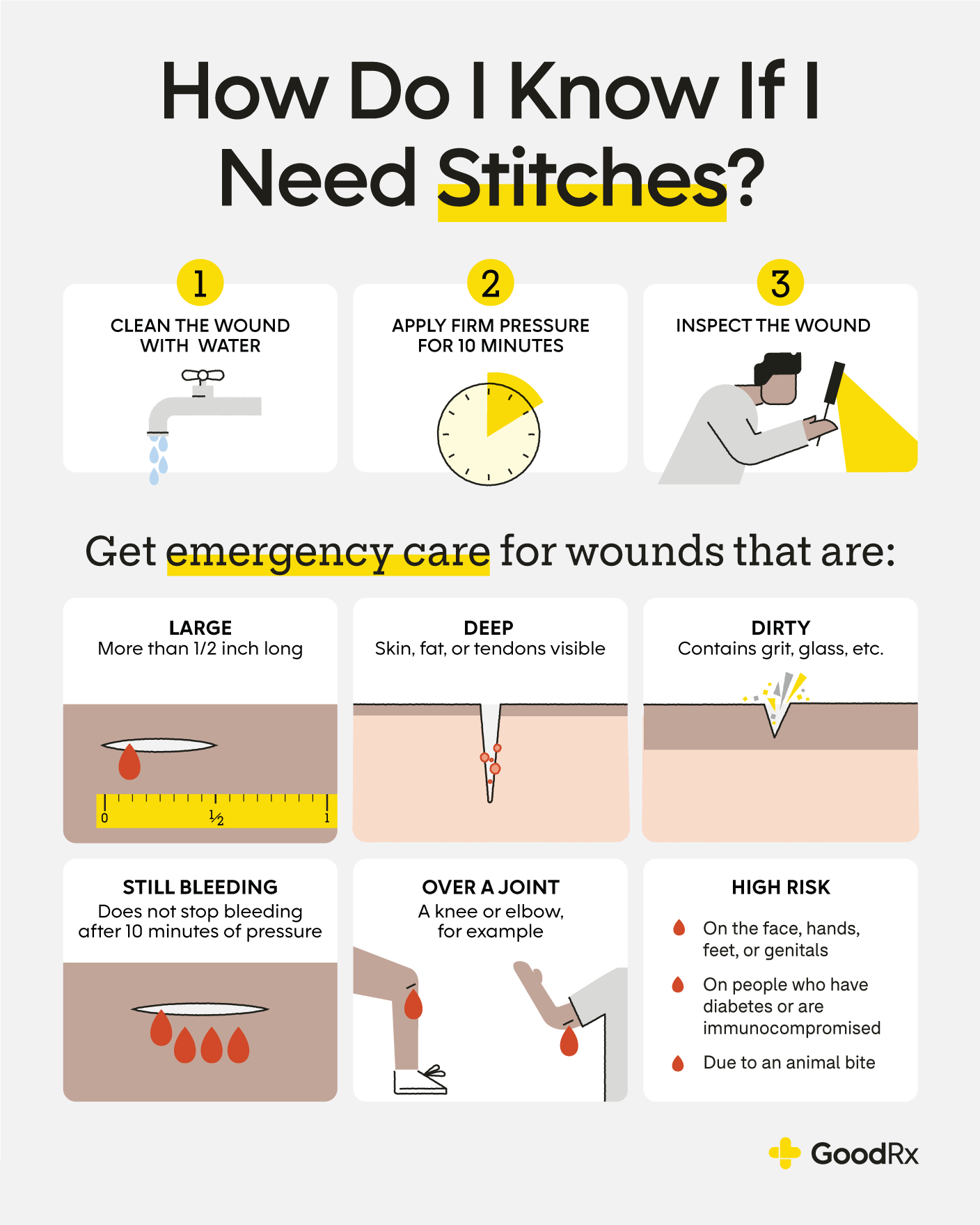
Cuts that are longer than half an inch usually need to be closed with stitches or medical-grade glue.
Deep cuts also need urgent attention. Even if your cut is small, go to the ER right away if you can see fat, muscle, or bone. Don’t push any tissue sticking out back into a wound. This can increase the risk of infection.
In rare cases, a deep wound may hit an artery. These cuts spurt blood and can lead to severe bleeding or hemorrhage. Go to the ER right away if you think you hit an artery, even if your cut is small.
Bites
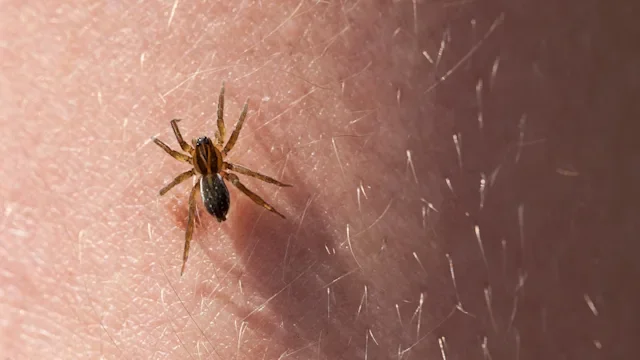
Animal bites are very prone to infection and need treatment with antibiotics. See a healthcare professional within 8 hours if you have any animal bite, even if it’s small and not bleeding. Human bites and cat bites are most likely to get infected.
‘Dirty wounds’
If you’ve cut yourself with an object, like a tool or a piece of metal outside, the bacteria on these objects can get into your wound and cause an infection. Cuts and punctures from objects are called “dirty wounds.” These wounds need to be cleaned more thoroughly to prevent infection. You might also need a tetanus shot.
The same goes for cuts that happen in water or come from sea life, like a scrape on a coral reef, a cut from an oyster shell, or a fish hook. Water carries bacteria that ordinary wound care won’t stop, so these cuts usually need antibiotics
Cuts in certain places
Cuts on certain parts of the body need special care to make sure they heal correctly. Call a healthcare professional if you have a cut on your:
Face
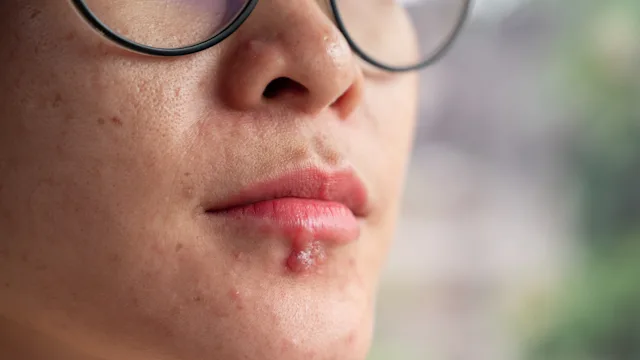
Lip
Fingers or hands
Genitals
Joint (elbows, knees, ankles)
A healthcare professional can help you figure out if you need stitches or other care. They may be able to do a video visit and look at your cut directly. They can give you advice on whether you need to go to an urgent care center or emergency room for care.
Medications and medical conditions
If you have certain medical conditions or take certain medications, you may need medical attention to stop your cut from bleeding and to prevent infection.
Call a healthcare professional right away if you:
Have a bleeding disorder, like von Willebrand disease
Have a weakened immune system
Have diabetes
Are taking blood thinners, including aspirin (which can increase your chance for bleeding)
A healthcare professional can let you know if you should get emergency care or try to care for the cut at home.
First aid isn’t working
If you’ve followed all the first-aid steps and your cut is still bleeding, it’s time to get professional help.
How long should it take a cut to stop bleeding?
After applying firm pressure for 10 minutes, your cut should stop bleeding. If your cut continues to bleed after 10 minutes, you should get medical attention. Continue applying pressure to your cut until a healthcare professional can help.
If your cut is bleeding so much that you soak through the gauze you’re using to apply pressure, put another piece of gauze on top. Continue to apply pressure and get medical attention.
How do you know if a cut is infected?
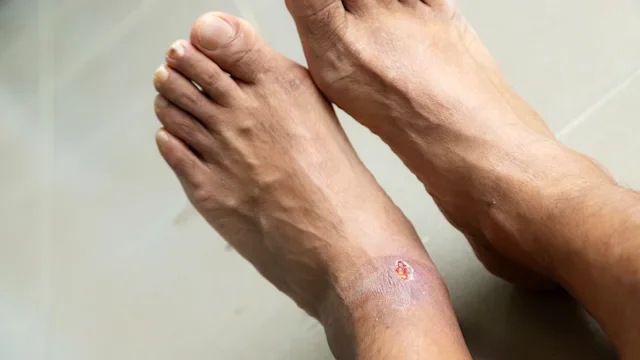
Germs may enter your wound right away, but it takes time for an infection to set in. Signs of an infected cut can take a couple of days or more after an injury to show up.
Get medical attention if you notice any of these symptoms and signs of an infected cut:
Redness and warmth: Redness around your cut can be a sign of irritation, inflammation, and infection. This is especially true if it’s warm to the touch and the redness spreads over time.
Pain: Your pain should lessen as your wound heals. Pain that gets worse after a few days can be a sign that your wound is infected.
Yellow or greenish pus (fluid): Wounds often leak some clear fluid as they’re healing. But your cut may be infected if you see a lot of thick, yellowish fluid coming from your wound. A bad smelling wound is another sign of infection.
Stiffness or numbness: You should be able to move the area that was cut more freely as it heals. Increased stiffness or numbness around the cut could be signs of infection.
Fever or body aches: These can be signs that your body is fighting an infection.
Frequently asked questions
The steps to stop bleeding from a shaving cut are similar to how you stop bleeding from other minor cuts. First, make sure your hands are clean. Then apply pressure to the cut, ideally with a clean paper towel or tissue.
If your cut doesn’t stop bleeding after you apply pressure for a few minutes, it’s best to get medical attention. But sometimes you’ll get the bleeding to stop at first, then the wound reopens. This can happen when you bump into something and damage the clot and healing wound bed. If the bleeding is minor and stops with pressure, try protecting your cut with a padded bandage and being extra careful.
But if you haven’t reinjured your cut and it continues to bleed, get medical care. Continued bleeding may be a sign that the wound is large or deep and may need stitches.
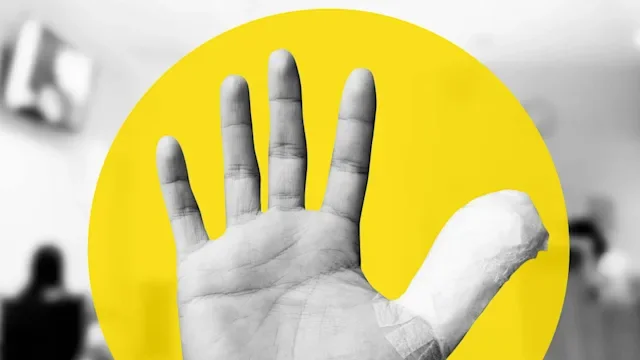
A cut on your fingertip can be slow to heal because it’s easy to accidentally bump it and reopen the wound. To help it heal faster, put a bandage over the cut. Keeping the wound moist with a petroleum-based jelly, like Vaseline, can also help it heal. Replace the bandage every day, or more often if it gets wet or soiled.
The steps to stop bleeding from a shaving cut are similar to how you stop bleeding from other minor cuts. First, make sure your hands are clean. Then apply pressure to the cut, ideally with a clean paper towel or tissue.
If your cut doesn’t stop bleeding after you apply pressure for a few minutes, it’s best to get medical attention. But sometimes you’ll get the bleeding to stop at first, then the wound reopens. This can happen when you bump into something and damage the clot and healing wound bed. If the bleeding is minor and stops with pressure, try protecting your cut with a padded bandage and being extra careful.
But if you haven’t reinjured your cut and it continues to bleed, get medical care. Continued bleeding may be a sign that the wound is large or deep and may need stitches.
A cut on your fingertip can be slow to heal because it’s easy to accidentally bump it and reopen the wound. To help it heal faster, put a bandage over the cut. Keeping the wound moist with a petroleum-based jelly, like Vaseline, can also help it heal. Replace the bandage every day, or more often if it gets wet or soiled.
The bottom line
You can treat most cuts you get at home with good first aid. To stop a cut from bleeding, apply direct pressure to the wound for 10 minutes. Make sure to clean your cut with soap and water afterward to prevent infection.
If you have a medical condition or take medications that increase your chance of bleeding, call a healthcare professional right away, even if your cut is small. You may need additional treatment. If you have a deep cut or one that’s larger than half an inch, get medical care. You may need stitches and additional treatment to stop bleeding.

Why trust our experts?



References
American Academy of Dermatology Association. (2022). How to treat minor cuts.
American Red Cross. (n.d.). Animal bites.
British Red Cross. (2023). First aid for someone bleeding heavily.
Junker, J. P. E., et al. (2013). Clinical impact upon wound healing and inflammation in moist, wet, and dry environments. Advances in Wound Care.
Lewis, K., et al. (2023). Wound irrigation. StatPearls.
National Health Service. (2026). Cuts and grazes.
Wang, G., et al. (2021). Bacteria induce skin regeneration via IL-1β signaling. Cell Host and Microbe.