Key takeaways:
Berberine is a dietary supplement that may help with weight loss. It’s a natural compound found in plants that seems to play a role in human metabolism.
Other possible benefits of berberine include lowering blood sugar, improving liver function, and reducing cholesterol.
Berberine is considered safe at dosages of up to 1.5 g per day. But side effects can include diarrhea, constipation, and bloating.
Save on related medications
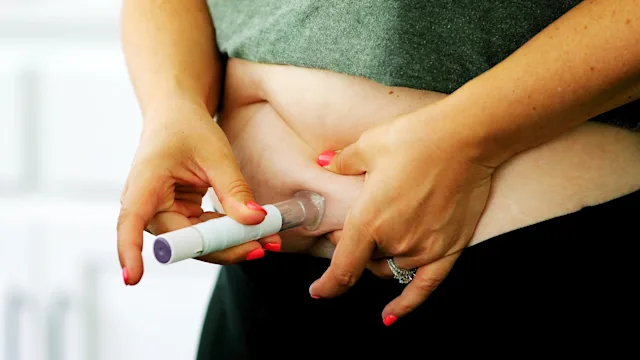
GLP-1 medications like Ozempic and Wegovy are changing the way people manage their weight and blood sugar. But not everyone wants to use injectable medication. Some cannot afford them. And others may prefer a more natural approach. So it’s no surprise that people have been looking into berberine, a dietary supplement that’s been called “natural Ozempic.” Here’s what the science says about berberine and what it can really do.
What is berberine?
Berberine is a naturally occurring alkaloid found in a variety of plants, such as Oregon grape and barberry. It has a bright yellow color and can taste bitter. Berberine-containing plants have been used in different parts of the world for centuries to treat different types of health conditions, ranging from digestive disorders to infections.
Berberine isn’t approved by the FDA to treat any medical conditions. But there has been a growing interest around the role of berberine for treatment of diabetes and high cholesterol. And now studies are now looking at whether berberine can help with weight loss.
What does berberine do and how does it work?
Based on animal and human studies, berberine seems to work in a few different ways. Current research suggests that it:
Activates several enzymes that play an important role in metabolism
Changes the activity of genes related to metabolism, making them turn on or off
Inhibits pathways in the body that lead to inflammation
These enzymes, genes, and pathways affect things like blood sugar and cholesterol levels. So it makes sense that experts are wondering whether berberine helps with weight loss.
Does berberine help with weight loss?
There’s some evidence that berberine may help with weight loss, but research in humans isn’t strong enough to say for sure.
In animal studies, berberine seems to do a few things that can help with weight loss. It can activate brown fat (a type of fat that burns calories), lower sugar production in the liver, and reduce how many carbs the body absorbs.
In people, the results are promising but not conclusive. The most recent review of 23 studies on berberine and weight loss found that it helped lower weight and waist circumference. But the effect was small — about 2 lbs on average.
Another review of studies noted a bigger effect. People taking berberine for weight loss lost an average of 4.5 lbs. But these results are more modest than what other obesity treatments provide.
It’s still unclear how much these results are impacted by the dosage of berberine. A review of 18 studies found that people who took more than 1 g per day of berberine for 8 weeks or more lost weight. This included studies with a wide range of different dosages of berberine — and treated people with different health conditions. This makes it harder to draw any firm conclusions on how berberine might be used for weight loss.
Is berberine similar to Ozempic?
Berberine is similar to Ozempic (and other semaglutide medications) in a few key ways. Both have been studied for their effects on weight loss and blood sugar. Ozempic has strong research showing that it can help regulate blood sugar. Berberine also seems to lower blood sugar, especially in people who have diabetes.
This is why berberine has been called “natural Ozempic.” But berberine and Ozempic aren’t the same.
Ozempic works by mimicking a natural hormone, called GLP-1, which makes you feel full. Berberine works by influencing several chemical pathways in your cells. Ozempic has also been studied in large rigorous trials. And it has been approved by the FDA, which means it’s shown to be safe and effective. The same isn’t true for berberine.
What are other potential health benefits of berberine?
Berberine has also been studied as a treatment for:
High cholesterol: Several of the studies that looked at berberine and weight loss noted that it also lowered cholesterol levels. And a larger review of 18 studies found that taking berberine lowered both low-density lipoprotein (LDL) or “bad” cholesterol and triglycerides.
High blood pressure: Studies in animals suggest that berberine may be helpful for lowering blood pressure. But research in humans has shown mixed results, and the studies that exist are mostly low quality.
Type 2 diabetes: Berberine may help lower blood sugar and hemoglobin A1C levels in people who have Type 2 diabetes. In one study, people who took 1 g of berberine per day for 3 months lowered their fasting blood sugar by 20%.
Infections: One study showed that berberine inhibits the growth of Staphylococcus aureus bacteria, which can cause pneumonia. Berberine may also have anti-inflammatory properties that can help prevent viruses like the flu from causing disease.
Liver disease: A study of over 800 people with fatty liver disease found that berberine led to better liver function tests. Berberine seems to help liver function by directly affecting the liver, and also through its effect on cholesterol and weight.
Skin diseases: Studies in animals have found that berberine decreases inflammation that causes irritation and itching in atopic dermatitis. Mice studies also suggest berberine may be helpful for treating psoriasis.
Digestive problems: Lab studies and animal studies suggest that berberine increases the amount of good bacteria in a person’s gut while decreasing the amount of bad bacteria. But it’s still unclear how this impacts gut health down the line.
Berberine side effects
Since berberine is a dietary supplement, the FDA doesn’t regulate berberine-containing products. So the actual amount of berberine in any given supplement may be higher or lower than what the label says. This makes it hard to know what side effects to expect.
The most commonly reported berberine side effects include:
Diarrhea
Constipation
Bloating and gas
Upset stomach
While side effects may be mild, some people should avoid berberine since it affects metabolism and can interact with certain medications. We discuss this in greater detail next.
Medication interactions
Berberine can interact with prescription medications. Before taking berberine, talk with a healthcare professional if you take medications to treat:
Anxiety
Depression
Mood disorders
Seasonal allergies
Erectile dysfunction
Pulmonary hypertension
Blood clots
Sleep disorders, including insomnia
If you have a weakened immune system or an organ transplant, don’t take berberine without talking with a healthcare professional. Berberine can interact with immunosuppressive medications.
Berberine dosage recommendations
There aren’t official guidelines for the correct dosage of berberine. But most studies on berberine used anywhere from 500 mg to 1,500 mg per day. A common dosage of berberine is to take 500 mg by mouth 3 times per day. Some experts recommend taking it before meals.
Is berberine safe?
Berberine is considered safe for most people at dosages up to 1,500 mg per day. Berberine might not be safe for some adults, including people who have liver or kidney problems. You should also avoid berberine if you’re pregnant or breastfeeding.
Frequently asked questions
The best time to take berberine is before a meal — especially larger meals, or those that are high in carbohydrates. This can maximize its effect on blood sugar and metabolism. Many people split their daily dose into two or three doses, and take each dose 10 to 15 minutes before a meal.
Berberine isn’t found in everyday foods. It’s a compound found in medicinal plants — like barberry, goldenseal, and Oregon grape.
Some people think that berberine can suppress your appetite, but there’s not much evidence to back this up. One animal study found that mice given berberine ate less. But similar studies haven’t been done in people. However, berberine does help manage blood sugar levels, which might make you less likely to have sugar cravings.
Berberine isn’t hard on your liver. There are no reports of berberine causing liver injury. In fact, berberine appears to be helpful for your liver. Taking berberine may improve liver function in people with liver disease.
You are not likely to gain weight from taking berberine. People who take berberine daily are more likely to lose weight. But other habits — like food choices and exercise — can also affect whether you gain or lose weight while taking berberine.
The best time to take berberine is before a meal — especially larger meals, or those that are high in carbohydrates. This can maximize its effect on blood sugar and metabolism. Many people split their daily dose into two or three doses, and take each dose 10 to 15 minutes before a meal.
Berberine isn’t found in everyday foods. It’s a compound found in medicinal plants — like barberry, goldenseal, and Oregon grape.
Some people think that berberine can suppress your appetite, but there’s not much evidence to back this up. One animal study found that mice given berberine ate less. But similar studies haven’t been done in people. However, berberine does help manage blood sugar levels, which might make you less likely to have sugar cravings.
Berberine isn’t hard on your liver. There are no reports of berberine causing liver injury. In fact, berberine appears to be helpful for your liver. Taking berberine may improve liver function in people with liver disease.
You are not likely to gain weight from taking berberine. People who take berberine daily are more likely to lose weight. But other habits — like food choices and exercise — can also affect whether you gain or lose weight while taking berberine.
The bottom line
Berberine is a dietary supplement that has people interested in its weight-loss properties. Some people report weight loss while taking berberine, but the effects are modest. Berberine may help lower blood sugar and cholesterol levels. But the research isn’t strong enough to recommend it for skin or digestion problems. The FDA doesn’t regulate berberine, and it can interact with many prescription medications. If you take medications or have an underlying health condition, get medical advice before trying berberine.

Why trust our experts?



References
Andoh, T., et al. (2021). Berberine induces anti-atopic dermatitis effects through the downregulation of cutaneous EIF3F and MALT1 in NC/Nga mice with atopy-like dermatitis. Biochemical Pharmacology.
Asbaghi, O., et al. (2020). The effect of berberine supplementation on obesity parameters, inflammation and liver function enzymes: A systematic review and meta-analysis of randomized controlled trials. Clinical Nutrition ESPEN.
Blais, J. E., et al. (2023). Overall and sex-specific effect of berberine for the treatment of dyslipidemia in adults: A systematic review and meta-analysis of randomized placebo-controlled trials. Drugs.
Chen, Y., et al. (2024). Topical application of berberine ameliorates imiquimod-induced psoriasis-like dermatitis in BALB/c mice via suppressing JAK1/STAT1 signaling pathway. Arabian Journal of Chemistry.
Habtemariam, S. (2020). Berberine pharmacology and the gut microbiota: A hidden therapeutic link. Pharmacological Research.
Heinrich, M., et al. (2021). Alkaloids used as medicines: Structural phytochemistry meets biodiversity—an update and forward look. Molecules.
Ilyas, Z., et al. (2020). The effect of berberine on weight loss in order to prevent obesity: A systematic review. Biomedicine and Pharmacotherapy.
Karimi, A., et al. (2023). A comprehensive insight into the effect of berberine on Nonalcoholic Fatty Liver Disease (NAFLD): A systematic review. Journal of Food Biochemistry.
Kong, W., et al. (2020). Berberine in the treatment of metabolism-related chronic diseases: A drug cloud (dCloud) effect to target multifactorial disorders. Pharmacology and Therapeutics.
LiverTox: Clinical and Research Information on Drug-Induced Liver Injury. (2020). Berberine. National Institute of Diabetes and Digestive and Kidney Diseases.
Ma, Y., et al. (2017). Berberine reduced blood pressure and improved vasodilation in diabetic rats. Journal of Molecular Endocrinology.
Meng, S., et al. (2012). Berberine ameliorates inflammation in patients with acute coronary syndrome following percutaneous coronary intervention. Clinical and Experimental Pharmacology and Physiology.
National Center for Complementary and Integrative Health. (2023). Berberine and weight loss: What you need to know. National Institutes of Health.
Neag, M. A., et al. (2018). Berberine: Botanical occurrence, traditional uses, extraction methods, and relevance in cardiovascular, metabolic, hepatic, and renal disorders. Frontiers in Pharmacology.
Nie, Q., et al. (2024). The clinical efficacy and safety of berberine in the treatment of non-alcoholic fatty liver disease: A meta-analysis and systematic review. Journal of Translational Medicine.
Park, H., et al. (2020). Berberine for appetite suppressant and prevention of obesity. Biochemistry Research International.
Suadoni, M. T., et al. (2021). Berberine for the treatment of hypertension: A systematic review. Complementary Therapies in Clinical Practice.
U.S. Food and Drug Administration. (2022). FDA 101: Dietary supplements.
Vahed, I. E., et al. (2025). The effect of berberine on obesity indices: A systematic review and meta-analysis. International Journal of Obesity.
Warowicka, A., et al. (2020). Antiviral activity of berberine. Archives of Virology.
Xie, W., et al. (2022). Glucose-lowering effect of berberine on Type 2 diabetes: A systematic review and meta-analysis. Frontiers in Pharmacology.
Yan, H., et al. (2015). Efficacy of berberine in patients with non-alcoholic fatty liver disease. PLoS One.
Ye, Y., et al. (2021). Efficacy and safety of berberine alone for several metabolic disorders: A systematic review and meta-analysis of randomized clinical trials. Frontiers in Pharmacology.
Zamani, M., et al. (2022). The effects of berberine supplementation on cardiovascular risk factors in adults: A systematic review and dose-response meta-analysis. Frontiers in Nutrition.
Zhang, C., et al. (2022). Berberine at sub-inhibitory concentration inhibits biofilm dispersal in Staphylococcus aureus. Microbiology.
Zhang, L., et al. (2021). Effects of berberine on the gastrointestinal microbiota. Frontiers in Cellular and Infection Microbiology.
Zhang, Y., et al. (2008). Treatment of Type 2 diabetes and dyslipidemia with the natural plant alkaloid berberine. The Journal of Clinical Endocrinology and Metabolism.
Zhang, Z., et al. (2014). Berberine activates thermogenesis in white and brown adipose tissue. Nature Communications.