Key takeaways:
The common cold and sinus infections are both types of upper respiratory tract infections.
Viruses cause both the common cold and sinus infections. Bacteria can also cause sinus infections, but this is less common.
You can develop a cold and a sinus infection at the same time. You can also develop a bacterial sinus infection on top of a cold.
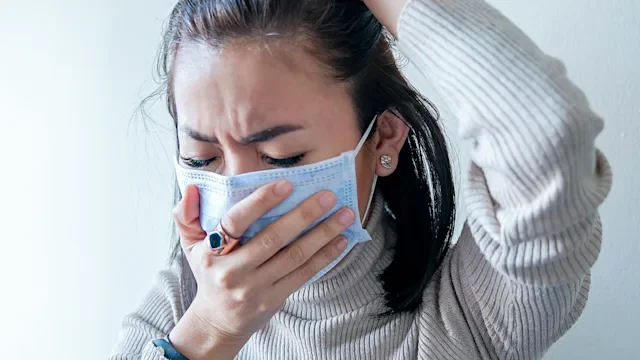
When you have a cold, it’s normal to feel stuffy, tired, and maybe even have a headache. But sometimes, what starts as a simple cold can turn into something more — like a sinus infection.
It can be confusing to know whether your cold is lingering or if you’ve developed an infection that needs more attention. How do you know when it’s time to get care. And when can you just treat your symptoms at home?
Here’s how you can tell if your cold has turned into a sinus infection and what to do next.
What’s the difference between a cold and a sinus infection?
The common cold is a term people use to describe an upper respiratory tract infection that usually affects the nose and throat.

There are hundreds of viruses that can lead to the common cold. A cold usually lasts about 7 to 10 days and causes symptoms like:
Runny nose
Nasal congestion
Cough
Sneezing
Headache
Sore throat
A sinus infection is another type of upper respiratory tract infection. A sinus infection develops when your sinuses get infected and inflamed.
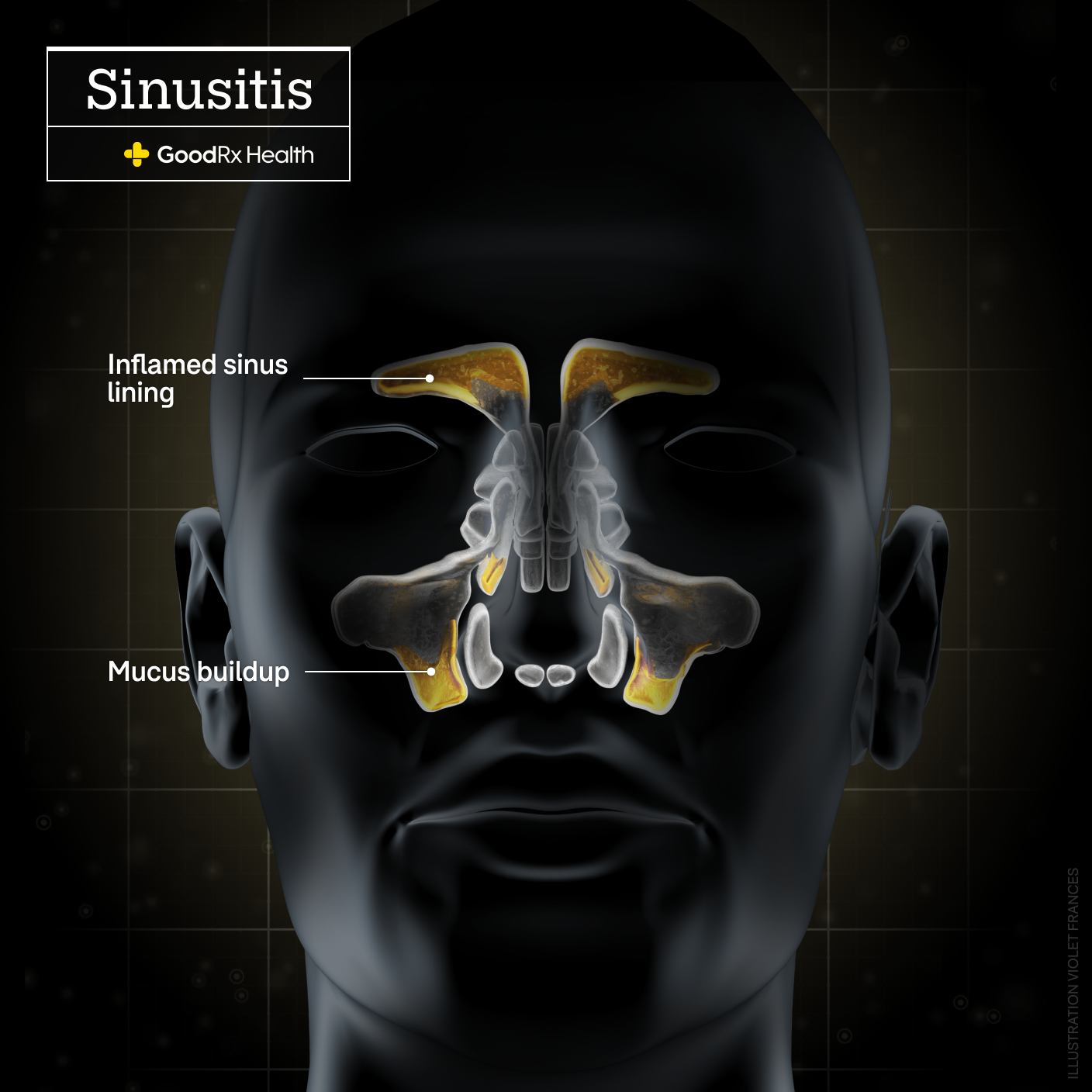
Sinus infections are usually caused by viruses. But bacteria — and rarely fungi — can also cause sinus infections.
Sinus infections can last longer than a cold and cause different symptoms. Common sinus infection symptoms include:
Facial pain and tenderness
Sinus pressure
Dental pain
Headache
Fever
Can a cold cause a sinus infection?
The short answer is that a cold won’t cause a sinus infection. A cold can’t turn into a sinus infection either. But the real answer is a little more complex.
Dual infections
The same viruses that cause the common cold can also cause sinus infections. So if you get sick with one of these viruses, you can develop a cold and a sinus infection at the same time. You might develop symptoms of a cold first and then also develop sinus infection symptoms after a few days. Both sets of symptoms gradually get better on their own over 7 to 10 days.
Secondary bacterial infection
You can also develop a bacterial sinus infection on top of the common cold. This is called a secondary (or superimposed) bacterial infection. This is usually what people mean when they wonder if their cold has turned into a sinus infection.
Being sick with a cold puts stress on your immune system. This makes it easier for bacteria to invade your sinuses and cause an infection. In this case, you start off with cold symptoms and then develop sinus infection symptoms after a few days. Your sinus infection symptoms may be more severe, and they won’t go away even as your cold symptoms get better. These types of sinus infections need to be treated with antibiotics.
How can you tell if you’re developing a sinus infection from a cold?
It can be difficult to tell if you have a lingering cold or a bacterial sinus infection. Some clues that you might have a bacterial sinus infection include:
Symptoms that last longer than 10 days
Symptoms that start to improve and then suddenly get worse (called double sickening)
Intense headache, facial or dental pain (particularly on just one side of the face)
Fever
You should get medical care if you develop any of these symptoms. Bacterial sinus infections should be treated with antibiotics. Antibiotics can help you feel better faster. They can also prevent more serious complications from sinus infections.
Quiz: Is it a cold or sinus infection?
When should you seek care for a cold?
Most of the time you can manage cold symptoms with a mix of over-the-counter (OTC) medications, self-care, and home remedies, such as:
Warm fluids
Humidified air
Saltwater gargles
Nutritious foods
Rest
OTC pain and fever reducers
OTC decongestants
Nasal saline rinses
But you should get medical care for a cold if:
Your symptoms don’t get better after 10 days.
Your symptoms were getting better but suddenly worsened.
You have trouble breathing or rapid breathing.
You develop a fever.
You aren’t able to eat or drink normally.
You’re urinating less often.
You feel sleepy or confused.
How do you treat a sinus infection vs. a cold?
Most sinus infections are caused by viruses. That means they’ll go away on their own within 7 to 10 days. So you can manage your symptoms at home with a combination of home remedies, self-care, and OTC medications:
Fluids
Rest
Humidified air
OTC pain relievers
Steroid nasal sprays
Decongestant nasal sprays
But you’ll need antibiotic treatment if you have a bacterial sinus infection. It’s hard to tell if a bacteria or virus is causing your sinus infection based on just your symptoms. So get medical care if:
Your symptoms don’t get better after 10 days.
Your symptoms were getting better but suddenly worsened.
You develop intense headache, facial or dental pain.
You have a fever.
How do you stop a cold from turning into a sinus infection?
The same steps that can keep you from getting a cold can also help you avoid a sinus infection. These include:
Avoiding close contact with people who are sick with respiratory infections
Staying up to date with vaccinations
If you’re already sick with a cold, some steps you can take to lower your chances of developing a secondary bacterial sinus infection include:
Stay hydrated. Drink plenty of water to help keep mucus thin so it’s easier to pass.
Use nasal saline rinses. Daily saline rinses help keep your nasal passages clear so your sinuses can drain.
Change your sleep positions. Sleeping with your head elevated can help your sinuses drain at night.
Use a humidifier. Humidified air is easier to breathe. You can run a humidifier during the day or at night.
Avoid irritants. Avoid things that can irritate your airway and cause more inflammation, such as fumes and smoke, including cigarette smoke.
Frequently asked questions
Most sinus infections are caused by viruses and will go away on their own within 10 days. But bacterial sinus infection can take longer to go away, even with treatment. In some cases, symptoms may last up to 4 weeks.
A sinus infection starts with symptoms similar to the common cold. Early sinus infection symptoms include runny nose and nasal congestion. Sinus pressure and pain develop after a few days as pressure rises inside the sinuses from inflammation and mucus buildup. People may also develop facial pain, headache, and dental pain. Bacterial sinus infections may cause a fever.
Most sinus infections are caused by viruses. They’ll get better on their own. Home remedies and OTC medications may help ease symptoms. Bacterial sinus infections can cause more severe symptoms. They can also cause serious complications if they aren’t treated, including bone and brain infections.
Most sinus infections are caused by viruses and will go away on their own within 10 days. But bacterial sinus infection can take longer to go away, even with treatment. In some cases, symptoms may last up to 4 weeks.
A sinus infection starts with symptoms similar to the common cold. Early sinus infection symptoms include runny nose and nasal congestion. Sinus pressure and pain develop after a few days as pressure rises inside the sinuses from inflammation and mucus buildup. People may also develop facial pain, headache, and dental pain. Bacterial sinus infections may cause a fever.
Most sinus infections are caused by viruses. They’ll get better on their own. Home remedies and OTC medications may help ease symptoms. Bacterial sinus infections can cause more severe symptoms. They can also cause serious complications if they aren’t treated, including bone and brain infections.
The bottom line
The common cold and sinus infections are types of upper respiratory tract infections. They are usually caused by the same viruses. You can develop a cold and a sinus infection at the same time. You can also develop a bacterial sinus infection on top of a cold. These types of sinus infections should be treated with antibiotics. It can be hard to tell if your sinus infection is being caused by a virus or bacteria. Get medical care if your symptoms aren’t better after 10 days or they get worse at any point. You should also get care if you develop fever, intense facial pain, or a headache.

Why trust our experts?



References
American Academy of Family Physicians. (2016). Acute sinusitis.
Centers for Disease Control and Prevention. (2024). About common cold.
Centers for Disease Control and Prevention. (2024). Sinus infection basics.
Jaume, F., et al. (2020). Common cold and acute rhinosinusitis: Up-to-date management in 2020. Current Allergy and Asthma Reports.
Kwon, E., et al. (2025). Acute sinusitis. StatPearls.
MedlinePlus. (2025). Sinusitis.