Key takeaways:
Ringworm is a contagious skin infection. It can spread between people, between people and pets, and by touching an infected surface.
Ringworm stops being contagious after 48 hours of antifungal treatment. Treatment options include topical creams or oral medication.
Without treatment, people are contagious until the ringworm rash goes away. This can take up to 3 weeks, although treatment is usually needed to clear ringworm.
If you, a family member, or your pet has ringworm, you might wonder how you can keep it from spreading to the rest of your household. Ringworm is very contagious. But there are ways and treatments to keep it from spreading.
What is ringworm?
Ringworm (tinea) is a common skin infection. It’s caused by a fungus, not a worm.
Causes of ringworm
Fungi that commonly cause ringworm include:
Trichophyton species like T. rubrum, T. interdigitale, and T. tonsurans
Microsporum species like M. canis and M. audouinii
Epidermophyton species like E. floccosum
Ringworm types
You can get ringworm anywhere on your body. Some types of ringworm include:
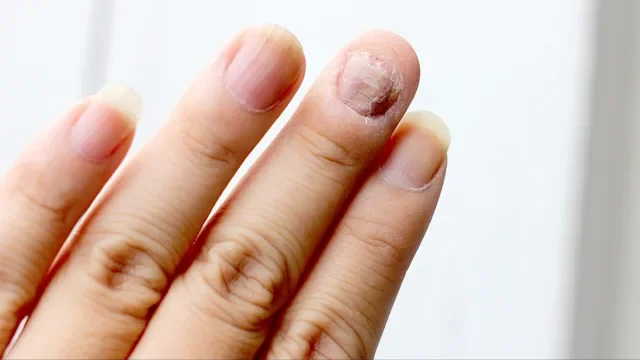
Sometimes, the fungus that causes ringworm gets into your fingernails and toenails. This can lead to fungal nail infection (onychomycosis). Onychomycosis is harder to treat. It’s not the same as ringworm, even though it can be caused by the same fungi.
Ringworm symptoms
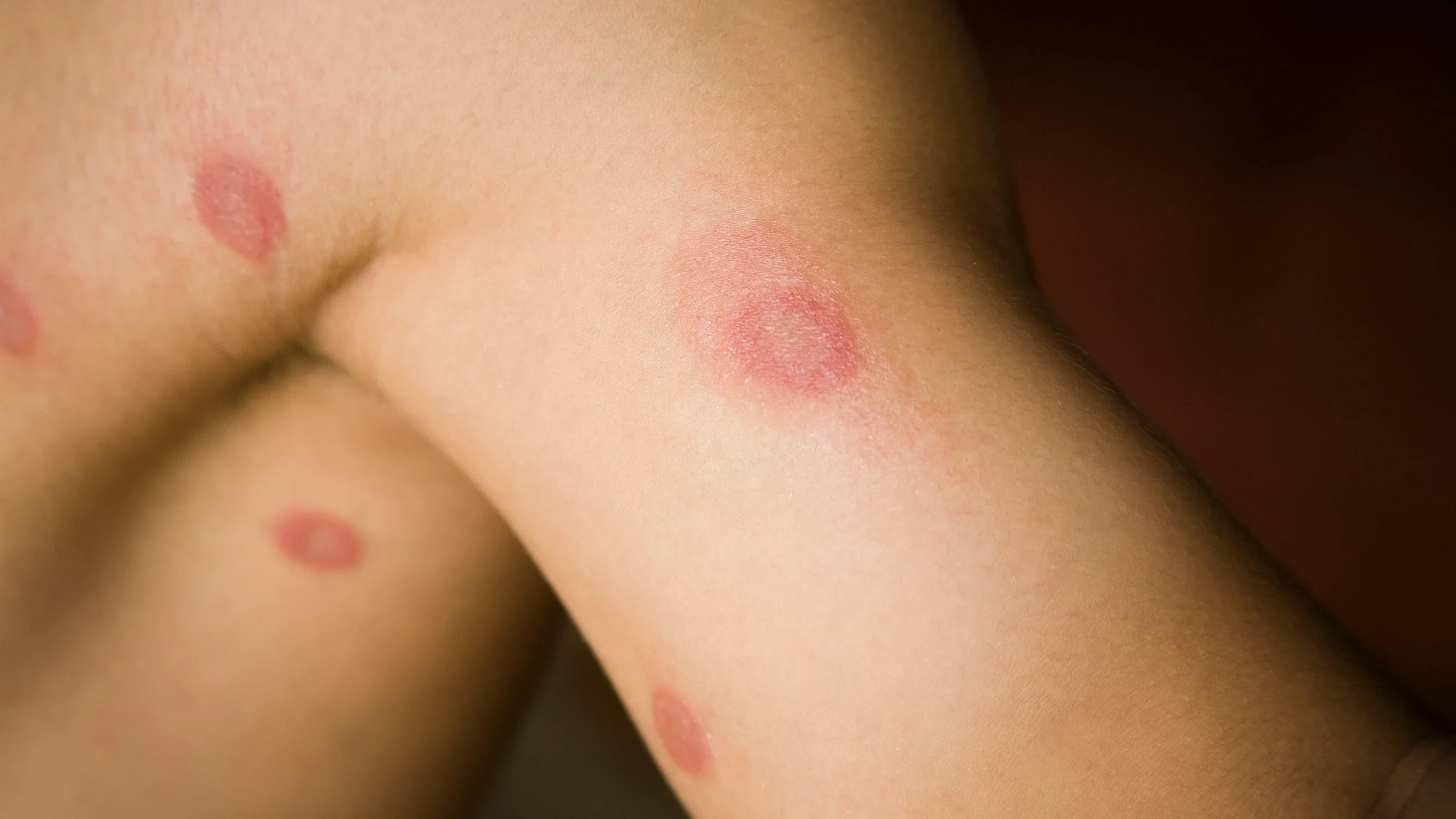
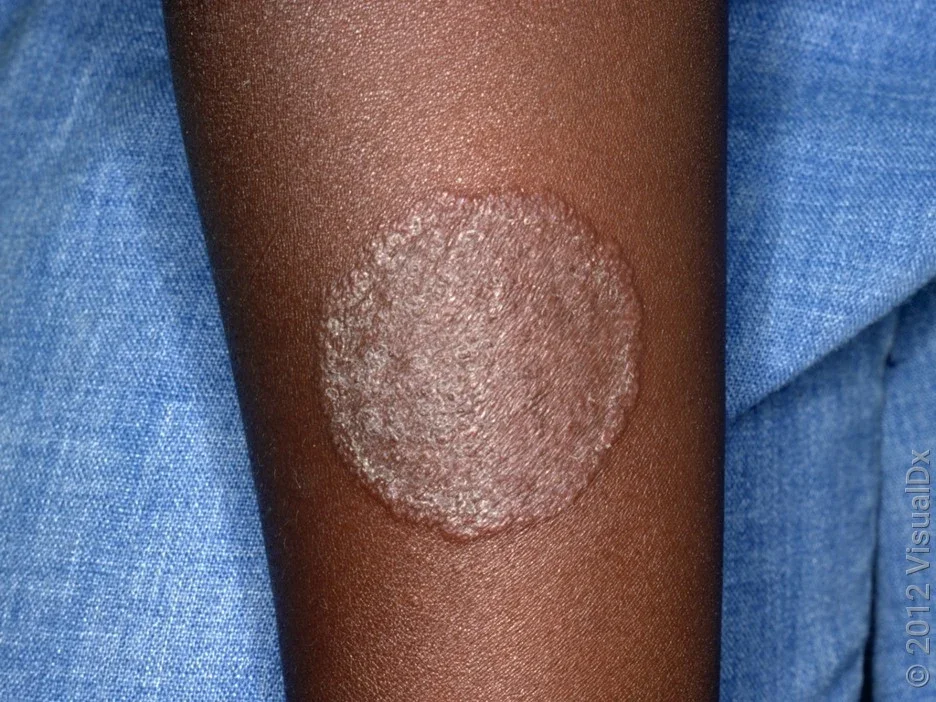
Ringworm rashes can be:
Itchy
Raised
Flaky
Red, gray, or brown colored
Round or circular
Pictures of ringworm
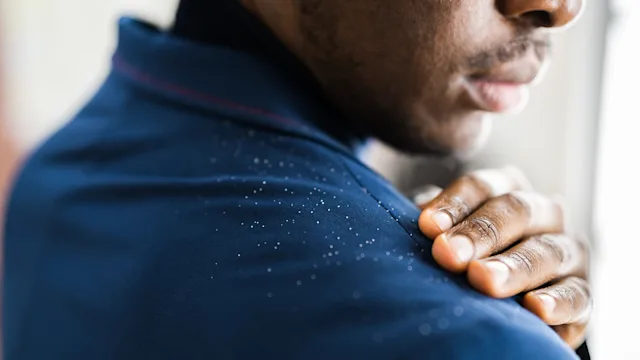
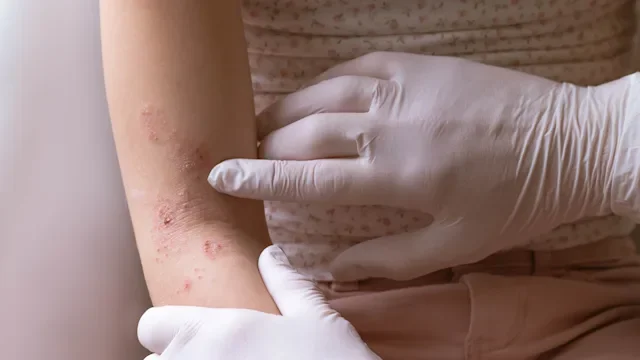
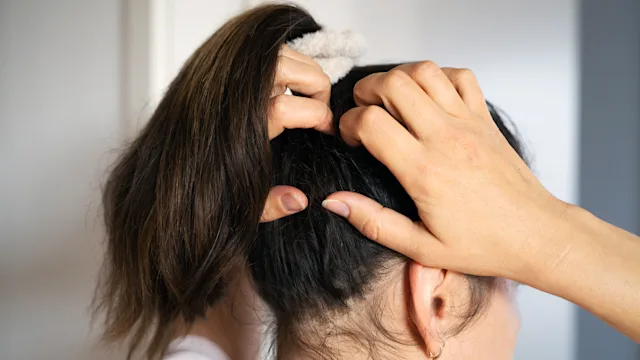
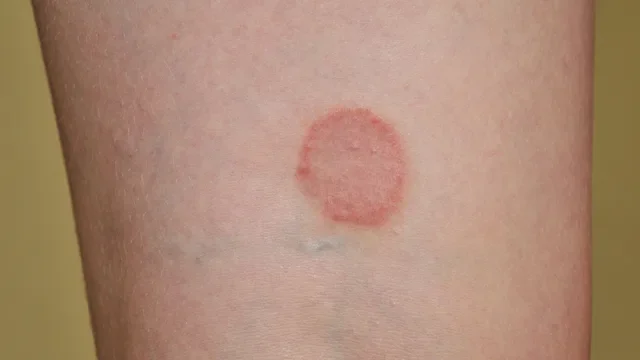
A ringworm rash might look different, depending on where it is. These pictures of ringworm can help you know what to look for.
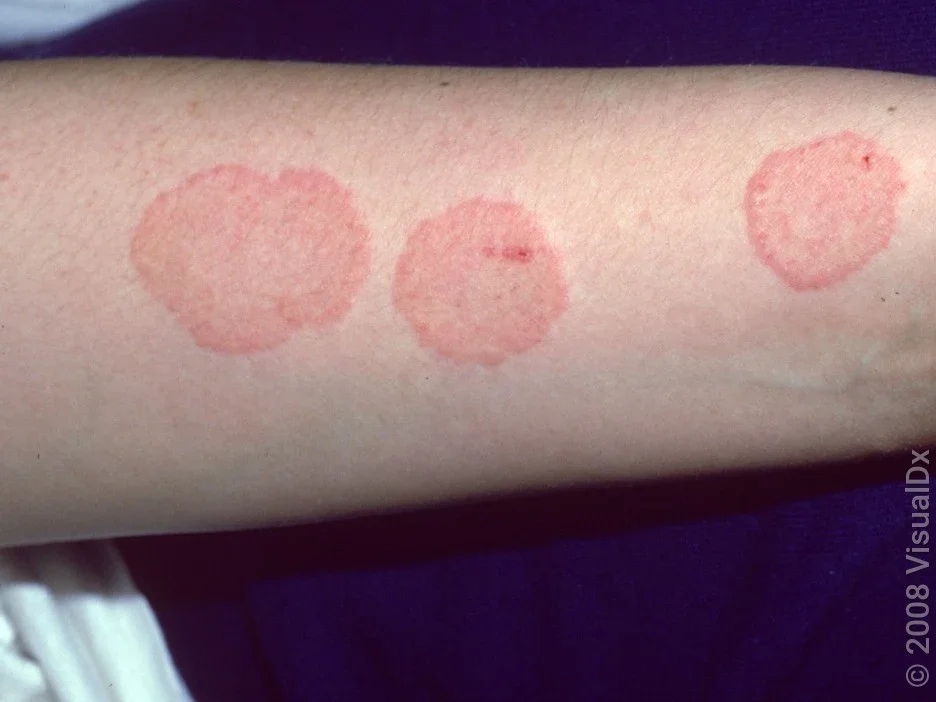
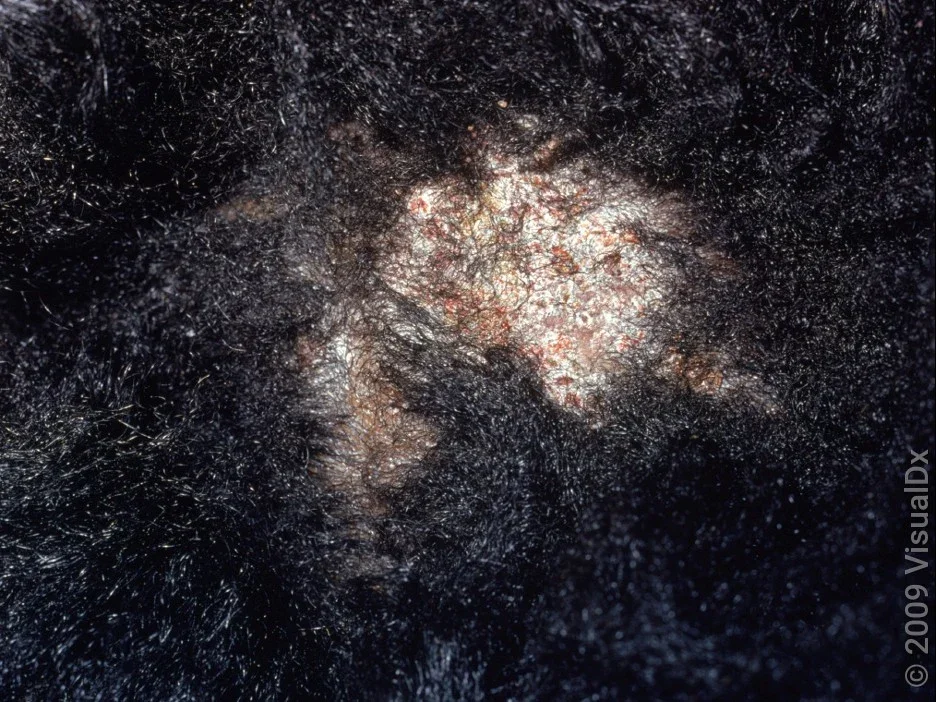
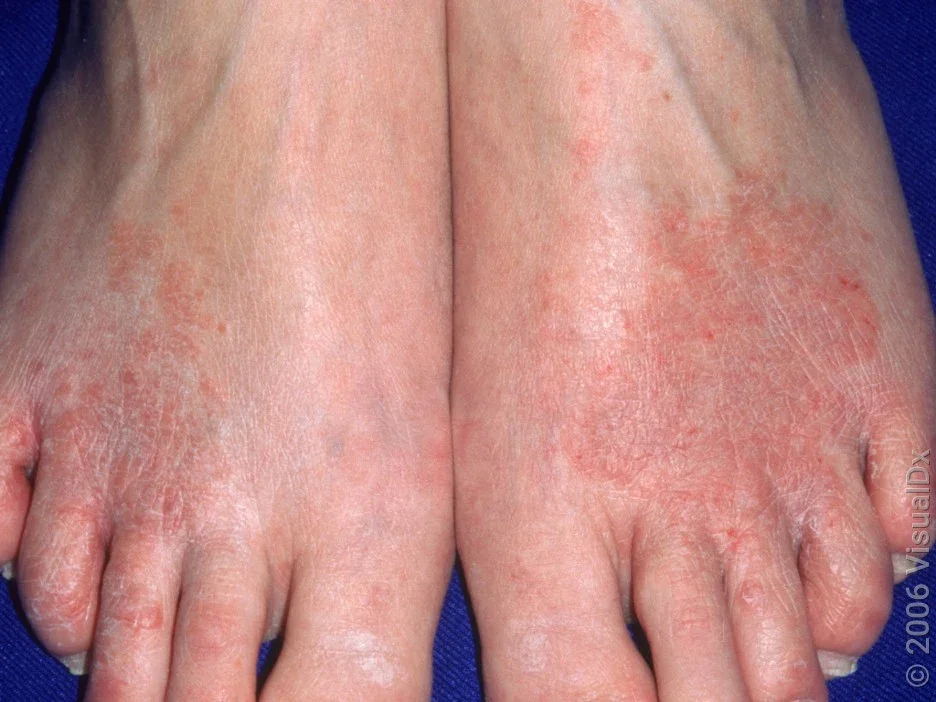
Is ringworm contagious?
Yes, ringworm is very contagious.
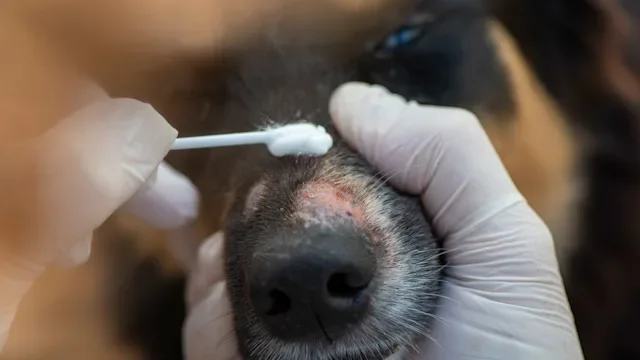
It can spread from person to person very easily. It’s one of the few fungi that infects both animals and people in the same way. So, you can pick up ringworm not only from other people but also your cat or dog. And your pets can get it from you and other animals.
You can also spread ringworm on yourself. For example, if you have jock itch, scratch it, and then touch other parts of your body, you can spread the fungus to other parts of your skin.
How long is ringworm contagious?
You stop being contagious 48 hours after you start ringworm treatment. You won’t spread ringworm to other parts of your body or to others once you stop being contagious. It’ll take several more days for your rash to completely heal and disappear. But you don’t have to worry about spreading ringworm even if you still have a rash.
Scalp ringworm (tinea capitis) is an exception. It takes up to 10 days of treatment before you stop being contagious if you have scalp ringworm.
Without antifungal treatment, you’ll be able to spread ringworm to others and to yourself until the rash completely goes away. It can take weeks or even months for ringworm to go away on its own. And sometimes ringworm doesn’t go away without treatment.
You don’t have to stay home from work or school if you have ringworm. But you need to keep the area covered to make sure someone doesn’t accidentally come in contact with it. Depending on where the ringworm is, you might not be able to do this very easily.
If your job or activities involve skin-to-skin contact, you may not be able to go back until you start treatment.
How does ringworm spread?
Ringworm spreads by coming into contact with something or someone that has the fungus. Here are the main ways ringworm spreads:
Person to person: skin-to-skin contact with someone else who has it
Personal spread: from one part of your body to another through touch
Animal to person: petting or cuddling an infected animal (like a cat)
Soil to person: contact with soil that contains ringworm fungi
Object to person: contact with an infected object or surface, like a brush, towel, or floor
How can you stop ringworm from spreading?
The best way to keep ringworm from spreading is to prevent getting it in the first place. Here are some tips to prevent ringworm:
Keep your skin clean and dry, especially in common places for ringworm (like your feet).
Change socks and underwear every day and wear clean clothes.
Wash your hands after petting an animal or coming into contact with ringworm.
Treat any pets that have ringworm.
Don’t share personal items, like clothes, towels, or hair brushes.
Wear flip-flops or water shoes in locker rooms and public showers. In warm, moist environments, ringworm can survive for up to a year or longer.
Wash any clothing or towels that have touched ringworm with a hot setting.
Shower immediately after any contact sports (like wrestling).
Treat any ringworm on your body and wash your hands after touching it.
Disinfect any surfaces that have come into contact with ringworm.
Frequently asked questions
Yes, jock itch is contagious. It can spread to other parts of your body and to other people. To keep it from spreading, treat it with antifungal creams, wear loose clothing, and keep the area clean and dry.
Yes, it’s perfectly safe to be around someone with ringworm. But don’t touch a ringworm rash. This lowers your risk of catching ringworm. Wash your hands right away if you do touch a ringworm rash. Wear gloves and wash your hands after caring for someone with a ringworm rash.
Ringworm can usually be treated with over-the-counter (OTC) antifungal creams. These are usually applied once or twice a day until the rash goes away. Ringworm in the scalp or on the nails usually requires prescription-strength antifungal pills. Your healthcare team can offer advice on the best treatment for your ringworm.
You know your ringworm is no longer contagious if you’ve treated it with antifungal medication for at least 48 hours (10 days if it’s scalp ringworm). Without treatment, your rash is contagious until it completely heals and disappears. Ringworm may not go away on its own without treatment.
Yes, jock itch is contagious. It can spread to other parts of your body and to other people. To keep it from spreading, treat it with antifungal creams, wear loose clothing, and keep the area clean and dry.
Yes, it’s perfectly safe to be around someone with ringworm. But don’t touch a ringworm rash. This lowers your risk of catching ringworm. Wash your hands right away if you do touch a ringworm rash. Wear gloves and wash your hands after caring for someone with a ringworm rash.
Ringworm can usually be treated with over-the-counter (OTC) antifungal creams. These are usually applied once or twice a day until the rash goes away. Ringworm in the scalp or on the nails usually requires prescription-strength antifungal pills. Your healthcare team can offer advice on the best treatment for your ringworm.
You know your ringworm is no longer contagious if you’ve treated it with antifungal medication for at least 48 hours (10 days if it’s scalp ringworm). Without treatment, your rash is contagious until it completely heals and disappears. Ringworm may not go away on its own without treatment.
The bottom line
Ringworm is a common skin infection caused by a fungus. It’s very contagious and can pass easily among people and animals without treatment. People stop being contagious with ringworm after 48 hours of treatment. Without treatment, ringworm is contagious until the rash goes away completely.

Why trust our experts?



Images used with permission from VisualDx (www.visualdx.com).
References
American Academy of Dermatology Association. (n.d.). Ringworm: Who gets and what causes.
Center for Food Security and Public Health. (2013). Dermatophytosis (ringworm). Iowa State University.
Hawaii State Department of Health Disease Investigation Branch. (2008). Ringworm (athlete's foot, tinea, dermatomycosis, dermatophytosis).
HealthDirect. (2023). Tinea.
Nationwide Children’s. (2023). Ringworm of the body (tinea corporis).
Seattle Children’s. (2023). Ringworm.
Shemer, A., et al. (2015). Griseofulvin and fluconazole reduce transmission of tinea capitis in schoolchildren. Pediatric Dermatology.
Spickler, A. R. (2013). Dermatophytosis (ringworm, tinea). The Center for Food Security & Public Health.