Currently, there are no treatments that can “cure” or slow the progression of Parkinson’s disease. However, there are many treatments that can help relieve symptoms and improve quality of life.
Treatment options for Parkinson’s disease include the following, according to Jason Krellman, PhD, Neuropsychologist at Columbia University Irving Medical Center:
Medications
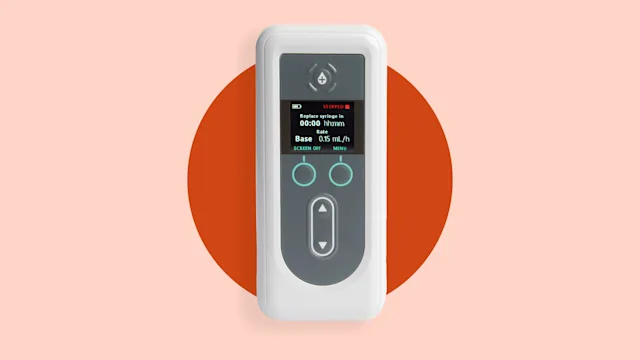
Devices
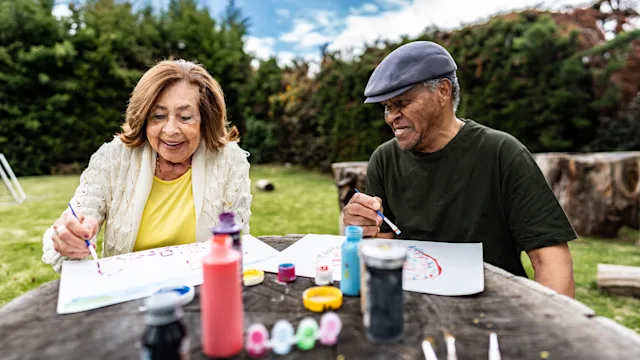
Behavioral and lifestyle changes
Jason Krellman, PhD, ABPP-CN, is a Neuropsychologist at Columbia University Irving Medical Center.
References
American Association of Neurological Surgeons. (n.d.). Parkinson’s disease.
Choi, J., et al. (2022). Dopamine agonists. StatPearls.
Gandhi, K. R., et al. (2022). Levodopa (L-Dopa). StatPearls.
Ghossein, N., et al. (2022). Anticholinergic medications. StatPearls.
Alborghetti, M., et al. (2019). Different generations of type-B monoamine oxidase inhibitors in Parkinson’s disease: From bench to bedside. Current Neuropharmacology.
Leyden, E., et al. (2022). Carbidopa. StatPearls.
MedlinePlus. (2019). Parkinson’s disease.
National Institute on Aging. (2022). Parkinson’s disease: Causes, symptoms, and treatments.
Parkinson’s Foundation. (n.d.). Deep brain stimulation (DBS).
Parkinson’s Foundation. (n.d.). Physical, occupational & speech therapy.
Tarsy, D. (2023). Patient education: Parkinson disease treatment options — medications (beyond the basics). UpToDate.
Zafar, S., et al. (2022). Parkinson disease. StatPearls.

Why trust our experts?