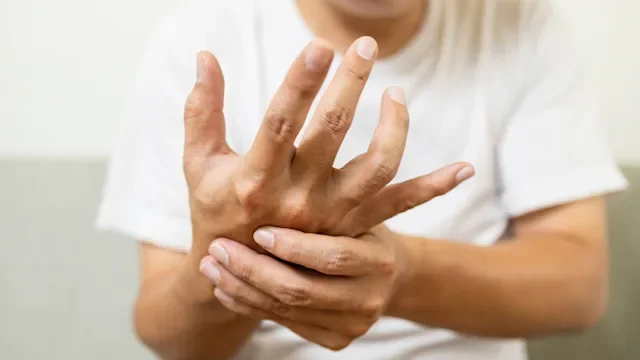
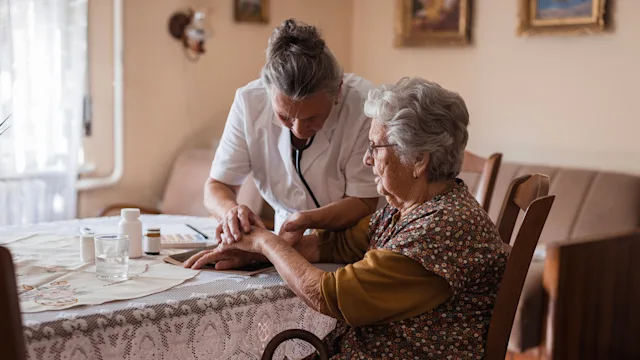
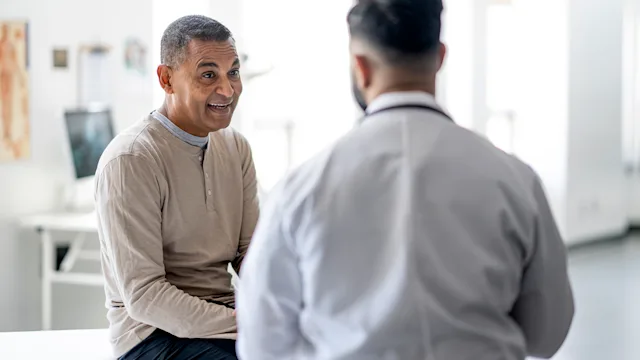
Parkinson’s disease may cause stiffness, reduced range of motion, and difficulty walking. Staying inactive may possibly worsen symptoms. You may lose strength and flexibility, which helps support posture, gait, and the ability to do everyday tasks.
This is where physical therapy may be helpful for Parkinson’s disease, according to Jason Krellman, PhD, Neuropsychologist at Columbia University Irving Medical Center.
Jason Krellman, PhD, ABPP-CN, is a Neuropsychologist at Columbia University Irving Medical Center.
References
American Association of Neurological Surgeons. (n.d.). Parkinson’s disease.
American Parkinson Disease Association. (n.d.). Parkinson’s and nutrition, exercise & physical therapy: Your questions answered!
MedlinePlus. (2021). Physical medicine and rehabilitation.
National Institute on Aging. (2022). Parkinson’s disease: Causes, symptoms, and treatments.
Parkinson’s Foundation. (n.d.). Physical, occupational & speech therapy.
Zafar, S., et al. (2022). Parkinson disease. StatPearls.

Why trust our experts?