Key takeaways:
The opioid system and opioid receptors are located throughout the body and play an important role in many aspects of life. They help regulate pain, sleep, relaxation, and mood.
Different opioid receptors — mu, delta, and kappa — create different impacts in your body and brain when triggered by opioids.
Your body naturally produces and releases opioids to opioid receptors when you do something pleasurable, like exercise, or when you experience pain. But taking opioids like heroin and morphine can cause more significant effects, which could lead to addiction and an opioid use disorder.
Save on related medications
The biology and chemistry of the brain may seem like a confusing and overwhelming topic, but knowing what happens in your body makes it easier to understand yourself. Learning how your brain sends messages, creates feelings of pleasure, and communicates the sensation of pain can give you a more complete understanding of the delicate balance your body must maintain to function well and feel good. Opioid receptors are a valuable piece of the puzzle.
Continue reading to learn more about your body’s opioid system, the types of opioid receptors you have, and the roles they play in addiction and substance use disorders.
How does the brain send messages?
Before you can learn about the opioid system, it’s helpful to get some basic brain information as a foundation. The brain, after all, is a complex system of connected parts that all work together to help with everything you do.
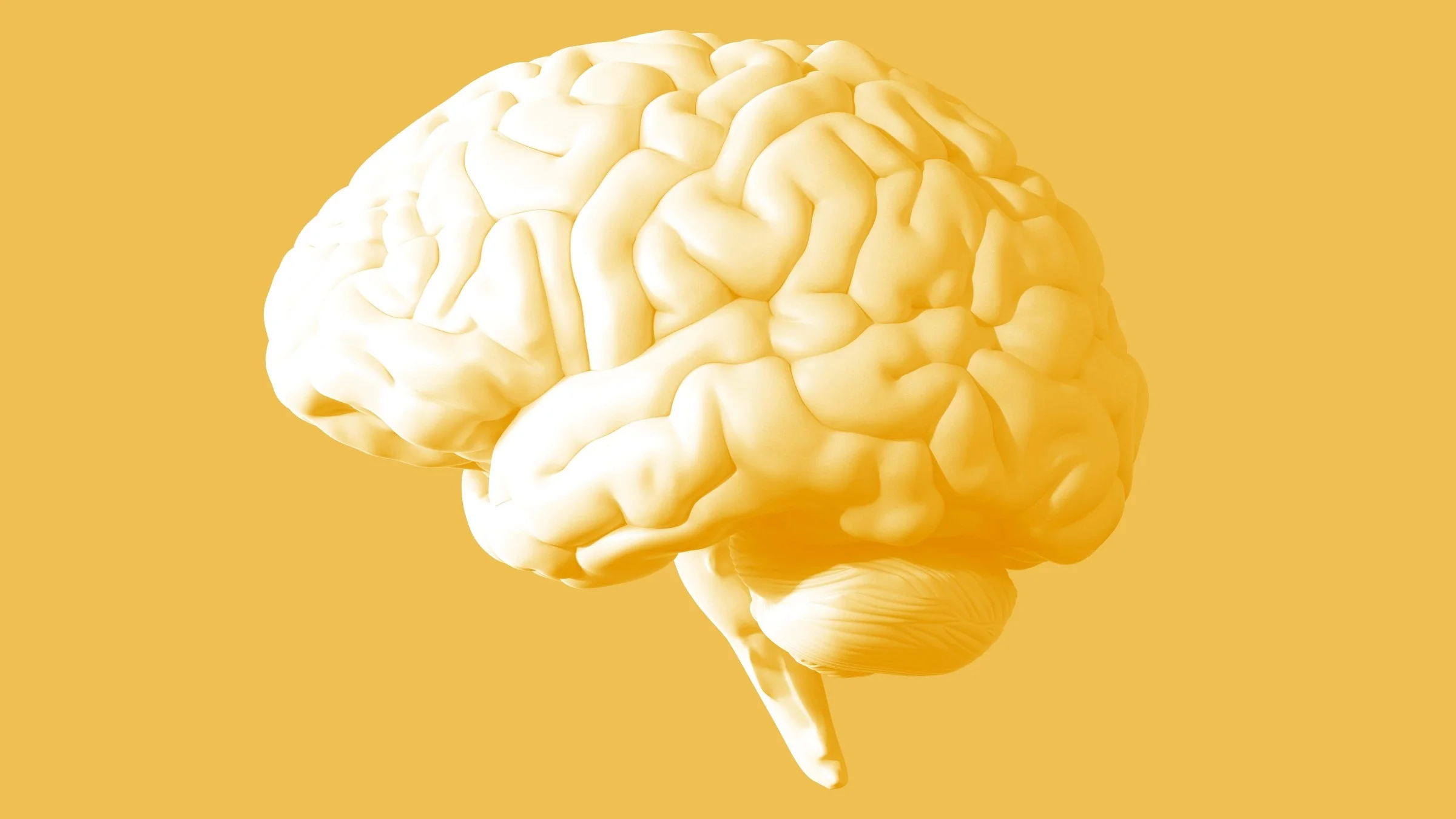
Your brain is made up of cells called neurons. These neurons become arranged in systems and networks to send and receive messages across the brain and throughout the body using the spinal cord and nerves.
When a message is sent, the neuron releases a special chemical (neurotransmitter) in the space next to the next neuron, called the synapse. The chemical crosses this space and attaches itself to receptors on the next neuron, causing a domino effect that communicates the message to various neurons until it reaches its destination.
If all is well, these messages are communicated smoothly and accurately. Alcohol and other drugs, like opioids, can disrupt the normal signals.
What is the endogenous opioid system?
Even though you may think of opioids as drugs like morphine, heroin, and fentanyl, your body actually makes its own opioids. Any opioid that your brain produces is called an endogenous opioid, since endogenous means to come from the inside.
Endogenous opioids have a lot of power and influence in the brain. They can create feelings of:
Pleasure
Relaxation
Contentment
Your endogenous opioid system can also control your breathing and your coughing behaviors. If you ever felt the warm, relaxed, and satisfied feeling that follows sex or exercise, that was your endogenous opioid system sending out endorphins.
The endogenous opioid system has such an impact because it is not confined to just one area. It is found throughout the body and in various parts of the brain including the:
Spinal cord: gathering and sending information between the brain and the rest of the body
Brain stem: located at the base of the brain and responsible for automatic body functions, like your breathing and heartbeat
Limbic system: a part of the brain connected to behaviors and emotions
While working in cooperation, these parts of the opioid system play an invaluable role in the communication of important messages throughout the body. The opioid system is also located in the digestive tract and blood vessels.
What are opioid receptors?
Opioid receptors are a major part of the endogenous opioid system. Each neuron has receptors on them that serve as docking stations for brain chemicals.
These docking stations are specialized, though, so they cannot accept all chemicals. For example, if a brain chemical is a square shape, it needs to find a square-shaped docking station to fit. Otherwise, it will continue to float in the space between cells, unable to create a change.
The body has plenty of opioid receptors to accept opioids. But rather than triggering an electrical reaction that carries the message forward, opioid receptors stop or slow down the message. If you break your leg after falling off your bike, a surge of opioids will disrupt the transmission of pain to your brain, so you may not feel the full discomfort for some time.
Opioid receptors shut down the message by turning off other nerve cells called GABAergic neurons. When these cells shut down, they begin to release dopamine, an important brain chemical related to rewarding feelings, happiness, and relaxation.
Whether an opioid comes from inside the body or outside the body, it will fit into an opioid receptor. Not all opioid receptors are the same, as experts have identified and named at least three different types of receptors. The most important ones are called mu, delta, and kappa, named for letters in the Greek alphabet.
Mu opioid receptors
The mu opioid receptors seem to be the most important and impactful type. This receptor is responsible for much of the pain relief that opioids provide. Additionally, much of an opioid’s addictive tendency is controlled by mu receptors.
Mu opioid receptors play a role in:
Feeling pain
Regulating breathing and cardiac functions
Eating and digestion
Mood
The immune system
Hormones
Mice that are missing mu receptors feel more pain, are less likely to seek out addictive substances, and display behaviors related to odd emotional responses.
Delta opioid receptors
The delta opioid receptors are not as well-understood by experts as the mu receptors. People believe the delta receptors may share some responsibilities with the mu receptors and play a role in:
Pain relief
Eating, swallowing, and digestion
Mood and behavior
Mice without delta receptors act much differently than mice with them. Without delta receptors, the mice present in ways that resemble anxiety and depression. This finding could indicate that delta receptors play a role in your mental health symptoms.
Kappa opioid receptors
Kappa opioid receptors, like other opioid receptors, are linked to pain management and sensitivity, while triggering only a small addiction potential. The kappa receptors also help in controlling:
The production of urine
Eating and digestion
The immune system
Because of the low addictive risk, researchers and drug companies have been very interested in developing medications to specifically target the kappa receptor. Unfortunately, trials of these medications created a psychotic state that matched symptoms of schizophrenia including:
Seeing things that were not there
Sped up thoughts
Distorted body image
Physical discomfort
Feeling disconnected to time and space
Based on these effects, kappa receptors may be involved in various mental health conditions.
The role of opioid receptors in addiction
Opioid receptors play a key role in addiction, because they help flood the system with the key brain chemical mentioned earlier, dopamine. Dopamine is the major driving force in addiction.
When you eat a good meal, gather with friends, or have sex, your brain naturally provides a surge of dopamine to remind you that these healthy behaviors should be repeated in the future. Dopamine helps you build habits and routines, but the problem is that it can create bad habits as well.
Sadly, the pleasure, relaxation, and contentment created by the natural opioids in the body cannot compete with the intense highs provided by opioid drugs. Natural rewards are like a quiet song, while drug-induced feelings are like a booming rock concert.
Bigger surges of dopamine lead to more desirable feelings and a bigger reward. In this way, drugs train your brain to ignore things like exercise and companionship and seek out drugs instead.
Is the function of your opioid receptors genetically determined?
There is good reason to think the genes and family traits passed down through the generations determine how your opioid receptors work. Studies of families show that problems like opioid use disorder are strongly influenced by genes, since you are more likely to have an opioid addiction if your close family members do as well.
The problem is, though, that identifying the genes and their specific role has not been easy. To this point, no one can precisely say how much power heredity has over opioid receptors. Future studies will look more closely at how multiple genes affect the receptors and if certain environmental risk factors could modify the effects.
What treatments affect opioid receptors?
The mu opioid receptors appear to be responsible for an increased risk of opioid use disorders and addiction. So, at this time, the medication assisted treatments (MATs) for opioids all target the mu receptors. The hope is that by regulating the opioid receptors with a steady stream of opioids, addictive thoughts, feelings, and behaviors will be stabilized.
Treatments that affect opioid receptors are available as pills, liquids, and injections, in addition to nasal sprays. Some treatments are opioid agonists, and some are opioid antagonists. Both of these are explained more below.
Opioid agonists
Opioid agonists are drugs that act like natural opioids once in the body. They attach to the mu opioid receptors to activate the cell to disrupt communication. Some agonist treatments are:
Methadone: a full agonist, which means it can produce all opioid effects
Buprenorphine: a partial agonist, which means it can treat an opioid addiction without producing the high or sleepy feelings usually linked to opioids
These types of drugs help to decrease the cravings for opioids when used as part of a MAT.
Opioid antagonists
Opioid antagonists work completely differently at the receptors. These drugs attach to the docking stations, but their purpose is to block other opioids from docking. When you use an opioid antagonist, other opioids cannot activate the cell. So, if you take an opioid after taking an opioid antagonist, you will not feel the opioid’s pleasurable effects.
Antagonists work well to prevent you from using opioids because you will not feel any wanted effects from the drugs. But they also work for people who have overdosed and consumed too many opioids. These opioid antagonists will pull the opioids out of the receptors and take their place instead, which can help reverse an overdose.
Some opioid antagonist treatments include:
Naloxone: available in a combination product with buprenorphine (Suboxone), as an injectable device (Evzio), or as a nasal spray (Narcan)
Naltrexone: available as a pill or a monthly injectable shot (Vivitrol); because the opioid system is also involved in alcohol use disorders, naltrexone may be used in the treatment of alcoholism
Using opioid agonists and antagonists may not be right for every person or every condition. But, for people with an opioid use disorder, these treatments can be life-changing. Be sure to communicate your struggles and goals honestly with your treatment professionals to find the best treatment options.
The bottom line
Despite the fact that you may never think of it, the opioid system in your body is dictating many parts of your life. From necessary body functions like breathing to pain relief and your desire to abuse drugs, opioid receptors play a role in how you think, act, and feel. Some genetic and biological differences can affect your response to opioids, so understanding your risks and recognizing how substances impact your health can help you make choices that benefit your health and well-being.

Why trust our experts?



References
Akpan, N., et al. (2017). How a brain gets hooked on opioids. PBS.
Clark, S. D. et al. (2019). The role of dynorphin and the kappa opioid receptor in the symptomatology of schizophrenia: A review of the evidence. Biological Psychiatry.
Crist, R. C., et al. (2019). A review of opioid addiction genetics. Current Opinion in Psychology.
European College of Neuropsychopharmacology. (2007). How does the opioid system control pain, reward and addictive behavior? ScienceDaily.
Guide to Pharmacology. (2019). Opioid receptors: Introduction.
National Institute on Drug Abuse. (2014). The brain’s response to opioids.
National Institute on Drug Abuse. (2018). Principles of drug addiction treatment: A research-based guide.
National Institute on Drug Abuse. (2020). Drugs, brain, and behavior: The science of addiction.
Substance Abuse and Mental Health Services Administration. (2021). TIP 63: Medications for opioid use disorder.