Despite increasing awareness of Lyme disease — and improved education for how to prevent and treat tick bites — Lyme disease rates seem to be on the rise.
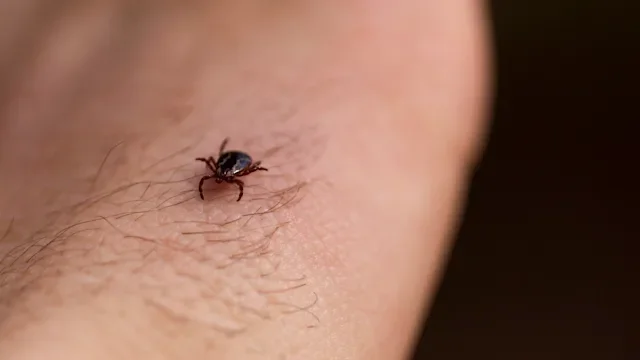
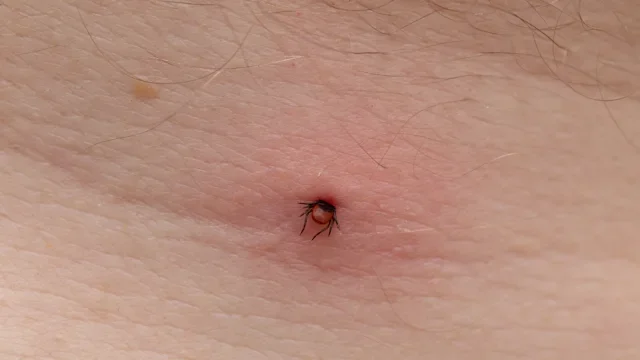
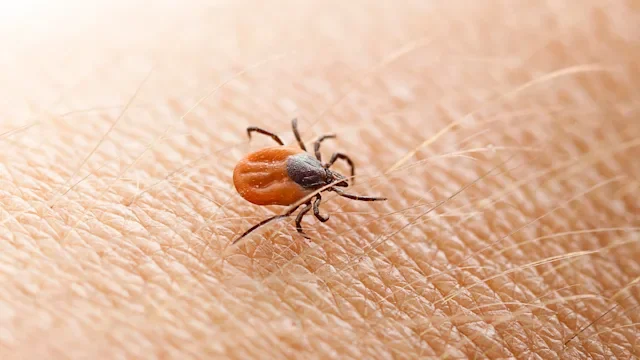
Lyme disease is a vector-borne illness, meaning it’s carried and spread by a vector — an organism that can transmit infections. In this case, ticks are the guilty vector. By biting humans for food, ticks may spread the bacterium Borrelia burgdorferi, which causes Lyme disease. Experts actually have a pretty good idea of what’s fueling the increase: rising temperatures from the climate crisis.
References
Centers for Disease Control and Prevention. (2020). Climate and health: diseases carried by vectors.
Centers for Disease Control and Prevention. (2022). Lyme disease.
Centers for Disease Control and Prevention. (2024). Lyme disease surveillance data.
Centers for Disease Control and Prevention. (2024). Chronic symptoms and Lyme data.
Centers for Disease Control and Prevention. (2019). Preventing tick bites on people.

Why trust our experts?