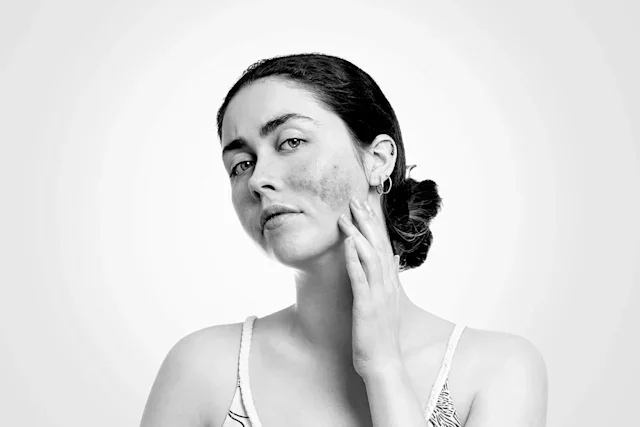
Key takeaways:
Sunlight and other sources of ultraviolet (UV) light can trigger lupus rashes and lupus flare-ups.
Lupus rashes from the sun often appear on exposed skin, like the face, neck, chest, and arms.
Protecting yourself from UV light can help reduce lupus symptoms and prevent flare-ups.
If you’re living with lupus, you may notice that certain things make your symptoms worse. Stress, illness, and lack of sleep are common triggers. But one of the most common lupus triggers is exposure to ultraviolet (UV) light.
About 70% of people with lupus have photosensitivity, meaning their skin and immune system have a heightened response to UV light. This includes both UVA and UVB rays from the sun and certain light bulbs (like fluorescent or halogen ones). Even a relatively short exposure to UV light can trigger lupus rashes from the sun and other symptoms of a lupus flare.
The good news is that photosensitivity doesn’t mean you have to stay indoors all the time. Understanding the relationship between lupus and sunlight can help you take steps to protect your skin and reduce flares.
What is a lupus rash?
A lupus rash is a skin rash caused by lupus-related inflammation. These rashes can appear anywhere on the body. But they often develop in areas exposed to sunlight, like your:
Face
Neck
Chest
Arms
Hands
For some people, a rash is the first sign of lupus. For others, rashes may develop during lupus flares or after spending time in the sun.
Types of lupus rashes
There are a few different types of lupus rash. Here are the most common ones and where they typically occur:
Lupus butterfly rash (malar rash): spreads across the cheeks and nose in a butterfly-shaped pattern.
Subacute cutaneous lupus rash: usually develops on sun-exposed areas, like the arms, chest, shoulders, and upper back.
Chronic discoid rash: common on the face and scalp but can occur on other parts of the body too.
What does a lupus rash look like?
Lupus rashes can look different from person to person. Depending on the type of rash, they may appear as:
Pink or red patches in lighter skin tones
Brown, purple, or violet patches in darker skin tones
Ring-shaped lesions
Thick, scaly plaques
Discolored, scar-like patches
What causes a lupus rash?
Lupus is an autoimmune condition that can cause inflammation in any part of the body. When it affects the skin, the body’s immune system mistakenly reacts against skin cells. This leads to inflammation in the skin and a rash. Experts don’t know why this happens, but it’s probably a combination of your genes and different environmental exposures.
What are the symptoms of a lupus sun rash?
About 70% to 80% of people with lupus experience rashes at some point. For many people, exposure to UV light can trigger a new rash or worsen an existing one.
A lupus sun rash often develops on areas exposed to sunlight, like the face, neck, chest, and arms. Some people notice only changes in their skin’s appearance, while others experience symptoms such as:
Pain
Burning
Soreness
Rawness of the skin
Why do people with lupus experience photosensitivity?
UV light damages everyone’s skin cells. Normally, the immune system helps clear away these damaged cells and repair the skin. But in people with lupus, this process doesn’t always work in the same way. People with lupus may be more sensitive to UV cell damage for a few reasons, such as:
Their skin cells are more sensitive to damage from UV light.
Lupus antibodies may attach more easily to damaged skin cells, causing inflammation.
The body may not clear damaged skin cells as efficiently.
As a result, even a small amount of UV exposure can trigger inflammation, leading to a lupus rash or widespread lupus flare.
What other symptoms can occur after sun exposure?
Photosensitivity can cause more than just skin symptoms. In some people, sun exposure can trigger a lupus flare that affects other parts of the body. Symptoms may include:
Joint pain or swelling
Feeling weak
Fatigue
Sores in the mouth
Fevers
Every person with lupus experiences flare-ups differently. If UV light triggers a flare, you may notice symptoms that are similar to those you’ve experienced during past flare-ups.
How long after sun exposure does lupus flare up?
It depends. Some people notice symptoms within minutes or hours of UV exposure. For others, symptoms may not appear until several days later. Some symptoms caused by photosensitivity get better quickly. Others take days to weeks to improve.
Are there medications that cause photosensitivity?
Yes, several medications can increase sensitivity to UV light. Even some medications commonly used to treat lupus — like hydroxychloroquine and methotrexate — can increase photosensitivity.
If you’re experiencing photosensitivity, review your medication list with your healthcare team to see if there are any medications that could be changed. It might make sense to continue a lupus medication despite the higher risk. But it might be possible to stop or change others. Together with your healthcare team, you’ll figure out what makes the most sense for you.
What should you do if you get a lupus sun rash?
If you get a lupus sun rash, don’t panic. Here are three simple steps you can take:
Protect your body from more exposure to UV light. Find some shade or go indoors. If you’re already inside, find a darker room.
Continue taking your lupus medications as directed. There’s a good chance that your symptoms will improve quickly.
Reach out to your healthcare team if your symptoms worsen or you’re worried. They can help you figure out the next best steps to get you feeling your best again. This may involve new medications or going in for an appointment.
How can you treat lupus photosensitivity?
Treatment for lupus photosensitivity depends on how severe your symptoms are. Mild symptoms may improve just by getting out of the sun, continuing your medications as prescribed, and focusing on prevention (see below).
If a lupus flare-up is more severe, treatments may include steroid creams (like triamcinolone) or steroid pills (like prednisone). If flares are happening frequently despite your best efforts at prevention, your daily lupus medication(s) may need to be adjusted too.
How can you prevent lupus photosensitivity?
You can’t keep yourself from being photosensitive, but you can lower your risk of lupus flares caused by UV exposure.
Here are some steps you can take to keep flares at bay:
Wear sunscreen every day — even when it’s cloudy or you’re spending the day indoors. Choose a sunscreen that’s at least 70 SPF and includes both UVA and UVB protection (read the label on the bottle). Apply it 20 minutes before heading outdoors and reapply every 2 hours when outdoors and every 4 to 6 hours when indoors.
Cover your skin with long sleeves and pants. If it’s hot, choose loose-fitting clothing made of lightweight fabrics, such as linen.
Seek shade when outside, especially during midday.
Wear a wide-brimmed hat and UV-blocking sunglasses to protect your face and eyes.
Reduce indoor UV exposure by using UV-blocking window shades and choosing lightbulbs that don’t emit UV rays.
Frequently asked questions
Several skin conditions can look similar to a lupus rash. Some examples include:
If you develop a new or persistent rash, talk to your healthcare team. They can help you determine the underlying cause and find the best treatment.
Lupus can develop at any age, but it most commonly starts between ages 15 and 44. Although it’s less common, lupus can also occur in children and older adults.
Yes, not everyone with lupus will develop a rash. While skin symptoms are common, lupus can affect many other parts of the body, including your:
Joints
Heart
Kidneys
Lungs
Several skin conditions can look similar to a lupus rash. Some examples include:
If you develop a new or persistent rash, talk to your healthcare team. They can help you determine the underlying cause and find the best treatment.
Lupus can develop at any age, but it most commonly starts between ages 15 and 44. Although it’s less common, lupus can also occur in children and older adults.
Yes, not everyone with lupus will develop a rash. While skin symptoms are common, lupus can affect many other parts of the body, including your:
Joints
Heart
Kidneys
Lungs
The bottom line
Sunlight and other sources of UV light can trigger lupus rashes and other lupus symptoms. Photosensitivity is common in people with lupus, but there are many ways to lower your risk of a flare-up. Daily sun protection — including sunscreen, protective clothing, and seeking shade — can help reduce UV exposure and keep lupus symptoms under control.

Why trust our experts?




References
Cojocaru, M., et al. (2011). Manifestations of systemic lupus erythematosus. Mædica.
Foering, K., et al. (2014). Characterization of clinical photosensitivity in cutaneous lupus erythematosus. Journal of the American Academy of Dermatology.
Lupus Foundation of America. (2018). What you don’t know about sunscreen, but should.
Lupus Foundation of America. (2019). The expert series: Skin lupus - beyond the butterfly rash.
Lupus Foundation of America. (2025). Lupus facts and statistics.
Sim, J., et al. (2022). Immune cell-stromal circuitry in lupus photosensitivity. Journal of Immunology.
Skin Cancer Foundation. (2026). How to read a sunscreen label.
Skin Cancer Foundation. (2026). Photosensitivity & your skin.