Key takeaways:
Thompson Maesaka uses lifestyle strategies to help with his high blood pressure.
He uses deep breathing, journaling, and other techniques to manage his stress.
These methods keep his blood pressure at a healthy level, he says.
Thompson Maesaka, a 35-year-old chiropractor from Edina, Minnesota, discovered he had high blood pressure 3 years ago.
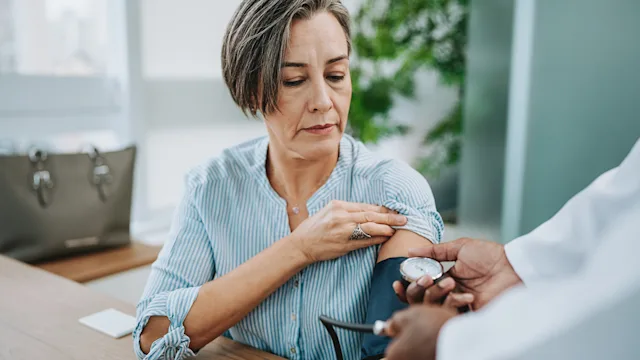
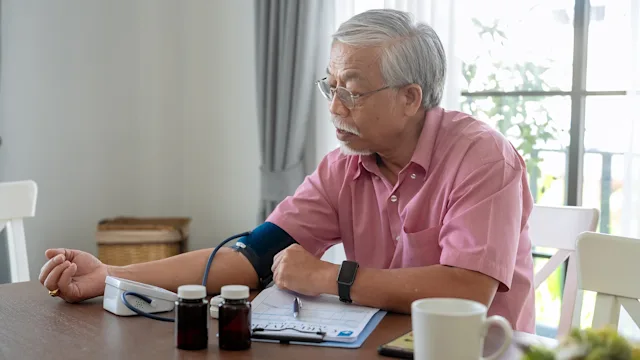
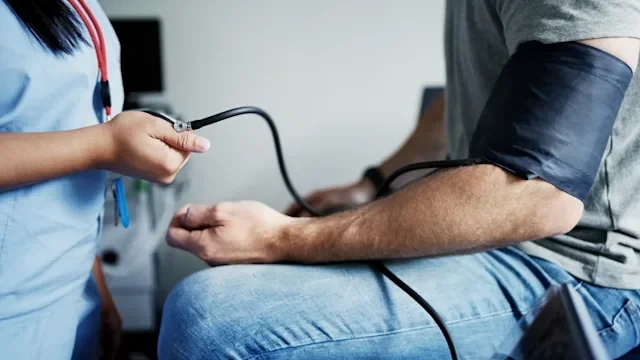
During a routine checkup, his doctor noted his blood pressure was 145/94 mmHg.
Normally, blood pressure is considered healthy when the top number is less than 120 and the bottom number is less than 80. High blood pressure — or hypertension — is when the top number is above 130 or the bottom number is above 80.

Thompson’s doctor didn’t prescribe him blood pressure medication. Instead, he told Thompson they would both keep an eye on his blood pressure levels over time.
Thompson says he knew managing his stress was important to lowering his blood pressure. So he started employing five lifestyle strategies to help him relax and reduce his stress. He says these strategies help keep his blood pressure within a normal range.
1. Practicing deep breathing
Thompson takes time for daily deep breathing exercises. He breathes in deeply through his nose and exhales in a heavy sigh through his mouth 10 times.
Thompson also uses an exercise called a “physiological sigh.” With this method, he breathes in deeply through his nose and then takes a second, deeper breath. Then, he exhales slowly through pursed lips and repeats for 10 breaths. “This is my go-to for in-the-moment stress relief,” he says.
2. Writing in a journal
Writing in a journal helps Thompson process his thoughts.
“Writing out my concerns and observing them is a great way to put them into perspective and reduce their effect,” he says, adding that he also incorporates prayer into his morning routine. “This helps me get my inner world out in the open, so I can organize it and work on any issues I'm having from a stress perspective.”
Thompson says writing about a stressful situation and things he can do about it stops him from internalizing frustration and allowing his emotions to affect his mood.
“Prayer usually happens at the end of this process,” he says. “It helps me cultivate gratitude and a more positive attitude to start the day. Prayer helps let go of some of the control and not ruminate on things as much.”
3. Stimulating the vagus nerve
Stimulating the vagus nerve — which has branches throughout the body in the neck, muscles, arteries, organs, tissues, and cardiac nerves — helps Thompson reduce his stress. He uses a device that delivers mild electrical impulses to the nerve, which he says promotes calmness.
“It's sort of the counteracting-stress part of your nervous system,” he says, adding that you can stimulate the vagus nerve through the neck in many different ways.
Thompson uses an over-the-counter consumer product at home and something similar in his clinic. These types of wellness devices are not evaluated by the FDA for treating health conditions but are available online at a variety of price points.
4. Taking cold showers
Thompson begins his day with a cold shower, which he says releases dopamine, the "feel-good hormone,” enhancing his mood and energy.
The shower water doesn’t need to be ice-cold, he says. The water should start out warm and gradually get colder until it feels uncomfortable. “The benefits seem to last well into the day,” he says of his morning routine.
5. Exercising
A varied workout routine, which includes yoga, Pilates, and moderate cardio, helps Thompson stay fit and manage his stress.
“When more vigorous exercise is too much to handle, I opt for more relaxation-based forms of exercise,” he says. “These seem to help get me out of my head and into my body.”
Figuring out the best methods to reduce his stress and anxiety
By consistently using these strategies, Thompson says, his blood pressure now stays at about 110/70.
He encourages others to try out different techniques to find what works best.
“Then, you can build a toolbox of things that work for you,” he says, adding that the right methods can go beyond lowering stress, anxiety, and blood pressure. “A lot of the things you end up doing to improve your blood pressure can also improve the quality of your life. They have the side effect of making you calmer, more resilient, and more present.”

Why trust our experts?