Key takeaways:
Table salt (sodium chloride) makes food taste good, and it is essential in the body. But most Americans eat double the recommended amount.
Too much salt can cause high blood pressure.
Potassium, a mineral found in fruits and vegetables, can help counteract the effects of sodium.
Table salt is made up of sodium and chloride, which is why it's sometimes referred to as sodium chloride. It's a mineral mainly found in ocean water and used for seasoning and preserving food. Sodium is an electrolyte that helps the body balance fluids, maintains muscle and nerve function, and is even involved in keeping a healthy blood pressure.
But populations around the world are consuming too much sodium, and it’s contributing to chronic disease. In fact, the World Health Organization (WHO) called on governments to set policies to help with sodium reduction.
But why does a teaspoon or so of salt each day matter so much? Read on to learn more about what sodium does to your body and ways to cut back.
What happens when you eat too much sodium?
Sodium pulls water into the blood vessels, which increases the volume inside the vessels and adds pressure.
That pressure is what healthcare providers are measuring when they check your blood pressure. A blood pressure measurement is the pressure in your vessels when your heart beats (systolic blood pressure) and between heartbeats (diastolic blood pressure). A healthy blood pressure is considered to be less than 120 (systolic) over 80 (diastolic).
But most Americans consume almost double the amount needed, which can lead to chronic health conditions like hypertension, the clinical term for high blood pressure. Having high blood pressure increases your risk for:
Heart disease
Stroke
Kidney disease
Eye damage
Death
Too much sodium can also cause calcium loss, as when sodium leaves the body, it takes calcium along with it. Because calcium is important for bone strength, too much can lead to weak bones and osteoporosis. High levels of calcium in the urine can also lead to the development of kidney stones.
What’s more, high-sodium diets have been linked to stomach cancer.
What are the short-term effects of eating too much sodium?
You might notice some bloating after a very salty meal. This is because when you eat a meal high in sodium, your body holds onto all the liquid in an attempt to correct your body’s fluid balance. As this fluid increases, your body continues retaining sodium and fluid while expelling more sodium in the urine. The best way to fight this bloat is to drink more plain water.
You also might feel intensely thirsty after eating a lot of salt — this is another way of your body telling you to drink more water. If you don’t consume enough water following a salty meal, your sodium levels can get dangerously high, resulting in hypernatremia (though this is rare). Hypernatremia can cause rapid breathing and sleeping difficulty, and, in severe cases, brain swelling.
What is a safe amount of sodium to eat?
American adults average 3,400 mg of sodium per day, yet the US Dietary Guidelines suggest a maximum of 2,300 mg of sodium per day for people over age 14. That’s about 0.5 tsp.
It’s easy to eat more than this without knowing. For example, even a simple turkey sandwich can pack about 973 mg of sodium:
2 slices white bread: 480 mg
1 slice of cheddar cheese: 150 mg
2 slices of turkey lunchmeat: 288 mg
1 teaspoon yellow mustard: 55 mg
It’s especially important to limit your sodium intake if you’ve been diagnosed with hypertension or you are at risk of developing it. Aim for closer to 1,500 mg per day, or 0.3 tsp.
Talk to your healthcare provider about how much sodium is safe for you, particularly if you have kidney disease, hypertension, or have a history of heart disease.
Quiz: Am I at risk for high blood pressure?
What foods are high in sodium?
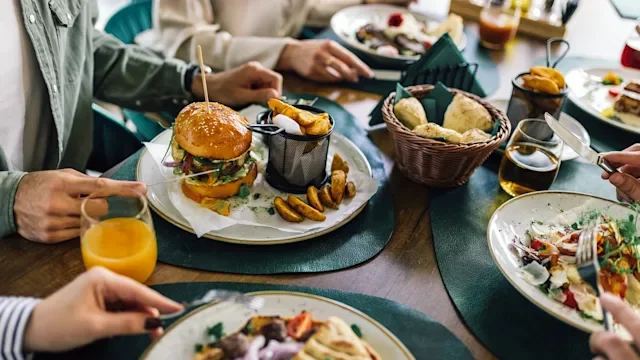
Sodium is naturally in meat, seafood, and dairy products. But about 70% of sodium consumption comes from packaged foods or restaurant meals. Even though bread and cereal products don’t taste particularly salty, they are the biggest contributors to sodium consumption.
The six saltiest foods include:
Bread
Pizza
Sandwiches
Cold cuts/luncheon meats
Soup
Burritos or tacos
What are some tips for cutting down on sodium?
Cutting back on sodium is hard, especially because of how it improves the taste of foods. Some evidence, however, shows that as people cut back on sodium, they begin to enjoy the taste of less salty foods. Here are several ways to start reducing the sodium in your diet:
Incorporate elements of the DASH (dietary approaches to stop hypertension) diet, such as focusing on fruits, vegetables, and whole grains.
Choose low-salt canned goods when available.
Rinse salt from canned tuna, cottage cheese, and beans.
Pick unsalted nuts.
Buy fresh or frozen fruits and vegetables without added sauces.
Ask for restaurant foods to be prepared with low sodium.
Read labels. And keep in mind, 20% of the daily value of sodium per serving is considered high by the FDA.
Try adding salt-free herbs and spices to dishes. Swap onion or garlic salt for diced onion or minced garlic.
Experiment with salt alternatives like lemon salt or potassium sodium.
Cook meals from scratch at home, so you can control the amount of salt added.
Can eating more potassium help my blood pressure?
Potassium is an electrolyte that works with sodium to regulate fluids, electrolytes, and blood pressure. If you have high blood pressure, eating potassium can help reduce it.
Get potassium from:
Dried fruit, like apricots, raisins, and prunes
Fruit, especially bananas and avocado
Vegetables, like broccoli and spinach
Sweet potatoes and potatoes
Beans and lentils
Nuts, especially pistachios
The bottom line
Eating too much sodium can lead to high blood pressure and put you at risk for conditions like heart disease. If you’re looking to eat less sodium, small steps like rinsing it from canned goods and using fresh herbs at home, can make a big difference.

Why trust our experts?




References
American Heart Association. (n.d.). Understanding blood pressure readings.
American Heart Association. (2018). Get the scoop on sodium and salt.
American Heart Association. (2018). Sodium sources: Where does all that sodium come from?
Centers for Disease Control and Prevention. (2021). The role of potassium and sodium in your diet.
Dietary Guidelines for Americans. (2019). Food sources of potassium.
Institute of Medicine (US) Committee on Strategies to Reduce Sodium Intake. (2010). Taste and flavor roles of sodium in foods: A unique challenge to reducing sodium intake. National Academies Press (US), Washington (DC).
NASA. (n.d.). Nature of salt.
Office of Disease Prevention and Health Promotion. (2016). 2015-2020 Dietary guidelines for Americans — cut down on sodium.
Rakova, N., et al. (2017). Increased salt consumption induces body water conservation and decreases fluid intake. The Journal of Clinical Investigation.
Shrimanker, I., et al. (2021). Electrolytes. StatPearls Publishing.
Stachenfeld, N. S. (2008). Acute effects of sodium ingestion on thirst and cardiovascular function. Current Sports Medicine Reports.
Strazzullo, P., et al. (2014). Sodium. Advances in Nutrition.
U.S. Department of Agriculture. (2018). [Historical record]: Cheddar cheese slices.
U.S. Department of Agriculture. (2018). [Historical record]: White bread.
U.S. Department of Agriculture. (2018). Turkey breast, sliced, prepackaged.
U.S. Department of Agriculture. (2020). [Historical record]: Classic yellow mustard, classic yellow.
U.S. Food & Drug Administration. (2020). FDA issues final guidance regarding use of an alternate name for potassium chloride in food labeling.
U.S. Food & Drug Administration. (2021). Sodium in your diet.
U.S. Food & Drug Administration. (2021). Sodium on the nutrition facts label.
University of Alberta Faculty of Medicine & Dentistry. (2012). Diets high in salt could deplete calcium in the body. ScienceDaily.
Vermeulen, R. T., et al. (1983). Effect of water rinsing on sodium content of selected foods. Journal of the American Dietetic Association.
World Cancer Research Fund International. (2018). Diet, nutrition, physical activity and cancer: A global perspective.
World Health Organization. (2020). Salt reduction.