Key takeaways:
Research shows that garlic supplements can lower both the top and bottom numbers of your blood pressure.
Eating raw garlic or adding it to recipes probably doesn’t have the same effect as supplements made from garlic powder or aged garlic extract.
Garlic supplements may interact with certain medicines and increase your risk of bleeding. And they should never replace your blood pressure medication.
These days, people are turning to supplements to help with a wide variety of medical conditions, including high blood pressure. Many supplements come from obscure plants with long names, so it can be surprising when a common item like garlic makes the list.
Recent research suggests that garlic supplements may be an effective way to help you lower blood pressure. But what does this mean in practice? Can you simply add more to your pasta for dinner? Here, we take a closer look at garlic’s effect on blood pressure.
Does garlic lower blood pressure?
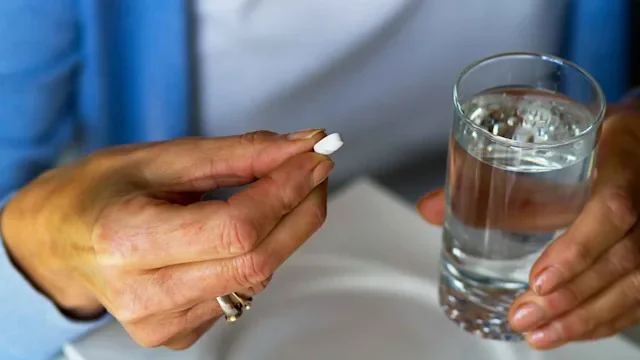
Yes, garlic lowers blood pressure. But the research has looked specifically at supplements. A recent large review looked at 12 randomized controlled trials across 738 people with high blood pressure. In 405 people, garlic supplements:
Reduced systolic blood pressure (the top number) by about 8 mmHg
Reduced diastolic blood pressure (the bottom number) by about 4 mmHg
And a separate analysis of this group of studies also found similar results.
Two points worth noting:
Taking higher doses of garlic supplementation for longer time periods may reduce blood pressure more.
The reduction in blood pressure is greater for people who have high blood pressure to begin with.
How garlic works to lower blood pressure isn’t 100% clear. Scientists think it’s related to a natural compound called allicin, which may block enzymes that increase blood pressure. Garlic may also trigger your body to produce a chemical that relaxes your blood vessels. This, in turn, lowers your blood pressure.
How much garlic should you take to lower blood pressure?
We still don’t know exactly how much garlic you need to take to lower blood pressure. But in the research mentioned above, it was a much higher dose than you get from a standard food recipe.
Here’s a glimpse at some of the study dosages that had an effect on blood pressure:
Garlic powder tablets: 600 mg to 2,400 mg daily for 8 to 24 weeks
Aged garlic extract (AGE): 300 mg to 1,200 mg daily for 12 weeks
Garlic powder and egg yolk capsule: 188 mg daily for 12 weeks
In the research we have so far, garlic powder and AGE led to the biggest reduction in blood pressure.
Garlic supplements vs. raw garlic
Garlic supplements have a greater effect on blood pressure than raw garlic. And when it comes to raw garlic, how you prepare it matters.
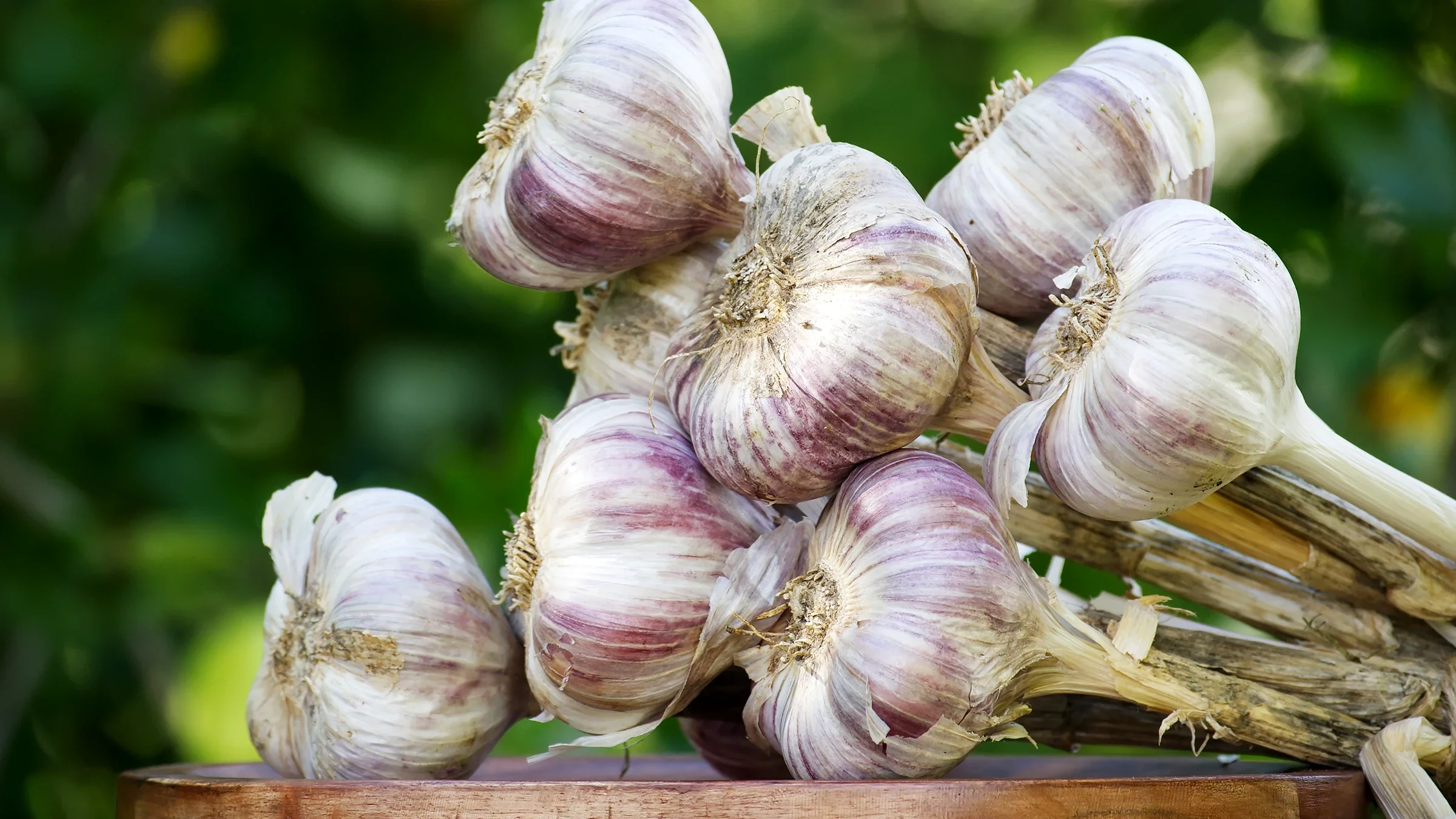
Chopping, dicing, or mincing garlic causes it to produce more allicin. And more allicin is the compound that has an effect on blood pressure. But cooking garlic breaks down allicin, so raw garlic is preferred.
But keep in mind the research on garlic has been done on supplements, not raw garlic. So incorporating raw garlic into your diet is unlikely to significantly lower blood pressure.
Risks and side effects of taking garlic for blood pressure
Eating raw garlic is unlikely to do any harm. But it may cause bad breath and body odor. Stick to one to two cloves of garlic daily if you add it to your diet. More than this can cause belly troubles like abdominal pain, nausea, and gas, especially if you eat it on an empty stomach.
Raw garlic is also a FODMAP, a type of carbohydrate that can be difficult to digest. So if you have irritable bowel syndrome (IBS), eating it may cause worsening bloating, gas, and cramping.
Larger doses of garlic — like the amounts contained in supplements — may lead to more harmful side effects and risks, such as:
Increased risk of bleeding: Avoid garlic supplements if you take a blood thinning medication. You should also avoid garlic supplements 7 to 14 days before surgery or dental procedures, because it could make you more likely to bleed.
Medication interactions: If taken with blood pressure or blood sugar medications, garlic may lower your blood pressure and blood sugar too much.
Who should not take garlic?
You shouldn’t take garlic if you’re:
Pregnant or breastfeeding, since it may harm your baby
Allergic to garlic — this is rare, but possible
Garlic supplementation increases your risk of bleeding, so avoid it if you are:
Preparing for surgery (including dental procedures)
Taking blood thinners or medicines that prevent blood clots like warfarin or aspirin
And you’ll want to be mindful of taking garlic if you take other medications. Garlic may increase or decrease the levels of:
Isoniazid, used to treat tuberculosis
Tacrolimus, used in people with organ transplants
Insulin, used for people with diabetes
Saquinavir, used to treat HIV
Frequently asked questions
You can take garlic at night or in the morning. But your body is more likely to absorb garlic if you take it with a meal rather than on an empty stomach — as long as your meal doesn’t contain high amounts of protein. So if your breakfast consists of a protein shake and eggs, you may time your garlic supplementation with a different meal later in the day.
No, garlic hasn’t been shown to raise blood pressure.
No, garlic should never replace blood pressure medication. If you’re taking blood pressure medication, talk with your healthcare team before starting garlic supplementation. They can recommend a dose that’s safe for your personal health needs.
You can take garlic at night or in the morning. But your body is more likely to absorb garlic if you take it with a meal rather than on an empty stomach — as long as your meal doesn’t contain high amounts of protein. So if your breakfast consists of a protein shake and eggs, you may time your garlic supplementation with a different meal later in the day.
No, garlic hasn’t been shown to raise blood pressure.
No, garlic should never replace blood pressure medication. If you’re taking blood pressure medication, talk with your healthcare team before starting garlic supplementation. They can recommend a dose that’s safe for your personal health needs.
The bottom line
Garlic may be a natural way to support healthy blood pressure. But eating a clove or two of chopped raw garlic is unlikely to cause a noticeable change. Larger reductions may require higher doses of garlic supplements. If you want to give them a try, make sure it’s not going to interact with any of your current medications. And keep in mind that garlic supplements aren’t a substitute for — or as effective as — blood pressure medication.

Why trust our experts?



References
Borrelli, F., et al. (2007). Garlic (Allium sativum L.): Adverse effects and drug interactions in humans. Molecular Nutrition & Food Research.
Lawson, L. D., et al. (2018). Allicin bioavailability and bioequivalence from garlic supplements and garlic foods. Nutrients.
Ma, X., et al. (2025). The effect of garlic on the lowering of blood pressure in the patients with hypertension: an updated meta-analysis and trial sequential analysis. Asian Biomedicine: Research, Reviews and News.
Matsutomo, T. (2019). Potential benefits of garlic and other dietary supplements for the management of hypertension. Experimental and Therapeutic Medicine.
Nakasone, Y., et al. (2012). Effect of a traditional Japanese garlic preparation on blood pressure in prehypertensive and mildly hypertensive adults. Experimental and Therapeutic Medicine.
National Center for Complementary and Integrative Health. (2025). Garlic. National Institutes of Health.
Reinhart, K. M., et al. (2008). Effects of garlic on blood pressure in patients with and without systolic hypertension: a meta-analysis. Annals of Pharmacotherapy.
Ried, K. (2020). Garlic lowers blood pressure in hypertensive subjects, improves arterial stiffness and gut microbiota: A review and meta-analysis. Experimental and Therapeutic Medicine.
Ried, K., et al. (2014). Potential of garlic (Allium sativum) in lowering high blood pressure: mechanisms of action and clinical relevance. Integrated Blood Pressure Control.
Shane-McWhorter, L. (2025). Garlic. Merck Manual: Consumer Version.
Sleiman, C., et al. (2024). Garlic and hypertension: Efficacy, mechanism of action, and clinical implications. Nutrients.
Tattelman, E. (2005). Health effects of garlic. American Family Physician.