Hidradenitis Suppurativa (HS): Your GoodRx Guide
Comprehensive information for you or a loved one — including treatment options and discounts on popular medications.

Hidradenitis suppurativa (HS) is a chronic (lifelong) skin condition caused by the inflammation of the sweat gland. HS causes painful lumps under the skin and can lead to long-term issues, such as scarring and pain.
In HS, the surface opening of the hair follicle and sweat gland get clogged. This can lead to a buildup of dead skin, sweat, and other fluids underneath the skin. This causes an immune system response and long-lasting inflammation.
This inflammation under the skin eventually causes more problems. This can include:
Skin breakdown
Large draining abscesses (pockets of pus)
Scarring
Sinus tracts (multiple connecting lesions that form tunnels under the skin and drain)
Infections
This can be painful, disfiguring, and can greatly affect your quality of life.


Experts don’t fully understand the cause of HS. But a number of factors are known to increase a person’s risk to develop HS. They include:
Genetics: About 4 in 10 people with HS have a family member with a similar condition.
Excess body weight: HS can happen in people of any weight. But having a body mass index (BMI) over 30 has been associated with a higher risk of developing HS.
Smoking: Most people with HS actively smoke.
Sex at birth: Women are more than twice as likely to have HS than men, which suggests that certain hormonal pathways play a role in HS.
Race: Data suggest HS is more common among people of African descent. The reason for this is not understood.
The most common skin changes include painful, red nodules (large bumps), and abscesses that drain fluid. These tend to come and go. Eventually, scars that deform the skin occur.
HS most commonly affects skin folds and areas where there are prominent sweat glands. These areas include the:
Groin
Armpits
Inner thighs
Area underneath the breasts
Compare prices and information on the most popular Hidradenitis Suppurativa medications.
HS can be hard to diagnose, since there are no specific tests for the condition. In most cases, your healthcare provider will use information about your symptoms and the physical exam to make the diagnosis.
The early stages of HS can sometimes be mistaken for folliculitis or boils. And it can take up to 7 years to get the correct diagnosis.
After an HS diagnosis, your provider will measure how severe it is by using Hurley stages:
Hurley stage 1: a single or a few nodules or open skin abscesses without scarring
Hurley stage 2: many recurrent abscesses, and the first signs of scarring
Hurley stage 3: many nodules and abscesses that cover a large area with connecting sinus tracts and wide-spread scarring
Since HS is often misdiagnosed, the first step in treatment is getting the right diagnosis. You’ll need the help of a dermatologist, a doctor who specializes in skin conditions.
Treatment for HS can include lifestyle changes. That means there are steps you can take to help lessen your symptoms. Here are some possible options:
Quit smoking. If you smoke, quitting smoking is one of the most important things you can do. Although this isn’t always easy, there are many resources available to help.
Lose excess weight. If you’re living with a heavier body weight, losing excess weight may help to lessen your HS symptoms.
Consider dietary changes. Research shows that avoiding dairy and reducing sugars is helpful for some people with HS.
Many HS treatments require prescriptions, so it’s important to see a medical provider to discuss your options. These medications include:
Antibiotics like doxycycline (pill form) and clindamycin (topical) can treat secondary infections.
Retinoids like acitretin may reduce HS inflammation.
Metformin, a medication used for diabetes, has been shown to improve HS, too.
Birth control pills and spironolactone can help decrease the hormonal trigger for HS in women.
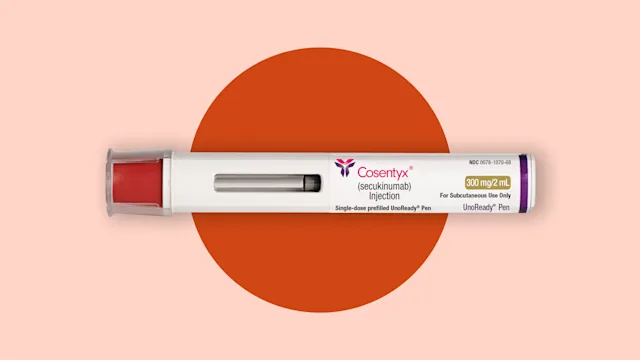
Humira (adalimumab) and Cosentyx (secukinumab) are injectable medications that help decrease inflammation and HS symptoms.
In-office treatments can also help relieve HS symptoms. These treatments may include:
Injections of a steroid into the painful nodules to speed healing
Laser hair removal to decrease nodules
Botox treatments to reduce sweating
Incision and drainage of any abscesses
Surgery (laser or traditional) to remove scars and nodules
Ongoing clinical trials for HS offer hope for future treatments.
There’s no cure for HS yet. But your healthcare provider can make sure your treatment plan helps to improve your quality of life. An effective treatment plan should reduce HS flares and address:
Pain control (including medications and alternative treatments)
Wound care (tips and tools for wound dressing changes)
General skin care (like non-irritant products to use for skin health)
Mental health (signs of anxiety and depression to look for, and tips for self-care)
If HS has affected your life, know that support is available. Hope for HS and the HS Foundation offer the latest information on HS, stories of people with HS, and support for those with HS at their time of need.
HS is a long-standing condition that rarely goes away on its own. But your healthcare provider can help develop a treatment plan for you that allows you to enjoy life despite having an HS diagnosis. This plan will often include:
Medications
Lifestyle tips for managing HS
Support systems
Having all of these resources in place can help prevent ongoing physical and emotional complications of HS.
HS is a long-standing condition that rarely goes away on its own. But your healthcare provider can help develop a treatment plan for you that allows you to enjoy life despite having an HS diagnosis. This plan will often include:
Medications
Lifestyle tips for managing HS
Support systems
Having all of these resources in place can help prevent ongoing physical and emotional complications of HS.
Maybe. HS has autoimmune features but is not strictly classified as an autoimmune disease. There seem to be other factors that contribute to developing HS. These include family history, environmental factors, and lifestyle choices like smoking. There’s ongoing research to figure out the role the immune system plays in HS.
If left untreated, HS can get better on its own. But it will likely flare up periodically. In some cases, without treatment HS may progress in its stage and severity. This can lead to scarring and disfigurement in extreme cases.
If you’re having frequent flare-ups, you may also be at risk for serious skin infections and chronic pain. Your healthcare provider can develop the best treatment plan for you to manage your HS and prevent ongoing complications.
Ballard, K., et al. (2023). Hidradenitis suppurativa. StatPearls.
ClinicalTrials.gov. (n.d.). Studies found for: Hidradenitis suppurativa. U.S. National Library of Medicine.

Prescription savings
Stop paying too much for your prescriptions. Compare prices, get pharmacy coupons, and save up to 80%. Find expert answers to your health questions so you can make the best decisions for yourself and your family.
Health conditions
Medications & treatment
Access & affordability
 Our monthly healthcare membership can help you save thousands on your prescription costs.
Resources