Hepatitis B: Your GoodRx Guide
Comprehensive information for you or a loved one — including treatment options and discounts on popular medications.

Hepatitis B is a liver infection caused by the hepatitis B virus (HBV). When the hepatitis B virus enters the body, it attacks liver cells.
The liver cells can become swollen and inflamed and may be unable to work properly. This is called an acute hepatitis B infection. Most adults recover from acute hepatitis B infections without any treatment. But in some cases, the immune system is not able to fight off the virus. In these cases, people develop chronic hepatitis B infection. Chronic Hepatitis B can lead to liver failure and liver cancer.


People can get Hepatitis B when they get exposed to bodily fluids, like blood or semen, that contain the hepatitis B virus.
Hepatitis B infection can occur with:
Accidental needlestick injuries
Needle- or syringe-sharing
Exposure to contaminated razors or instruments used for tattooing, piercings, or acupuncture
Unprotected sex with a person who has hepatitis B
Childbirth (a person with hepatitis B can pass the virus to an unborn child)
Some people are more at risk of being exposed to the hepatitis B virus than others. People who are at higher risk include those who:
Work in healthcare
Have multiple sexual partners
Misuse IV (intravenous) drugs
Need dialysis
Have insulin-dependent diabetes
Immigrate from or live in areas where hepatitis B is more common, including Asia, the Pacific Islands, Africa, and Eastern Europe
Many people with hepatitis B never develop any symptoms. But hepatitis B can cause symptoms like:
Nausea
Loss of appetite
Stomach or joint pain
Fatigue
Yellowing of the eyes or skin (jaundice)
Dark urine
Symptoms may not appear at all or will take months to develop. So many people don’t realize they have the hepatitis B virus. Remember to seek medical care for hepatitis B before a more serious liver injury occurs.
Compare prices and information on the most popular Hepatitis B medications.
To diagnose Hepatitis B, a healthcare provider can use a blood test to detect the hepatitis B virus or its antibodies. This blood test can tell if the virus is acute or chronic.
You may also need more blood tests that check your liver's overall health.
People who have chronic hepatitis B need treatment to prevent liver damage. Treatment can also lower the risk that you will pass the virus to others if they come in contact with your blood or other bodily fluids.
This includes treatment with antiviral medications like:
Entecavir (Baraclude)
Telbivudine (Tyzeka)
Adefovir (Hepsera)
Tenofovir (Viread)
Lamivudine (Epivir)
Interferon alfa-2b (Intron)
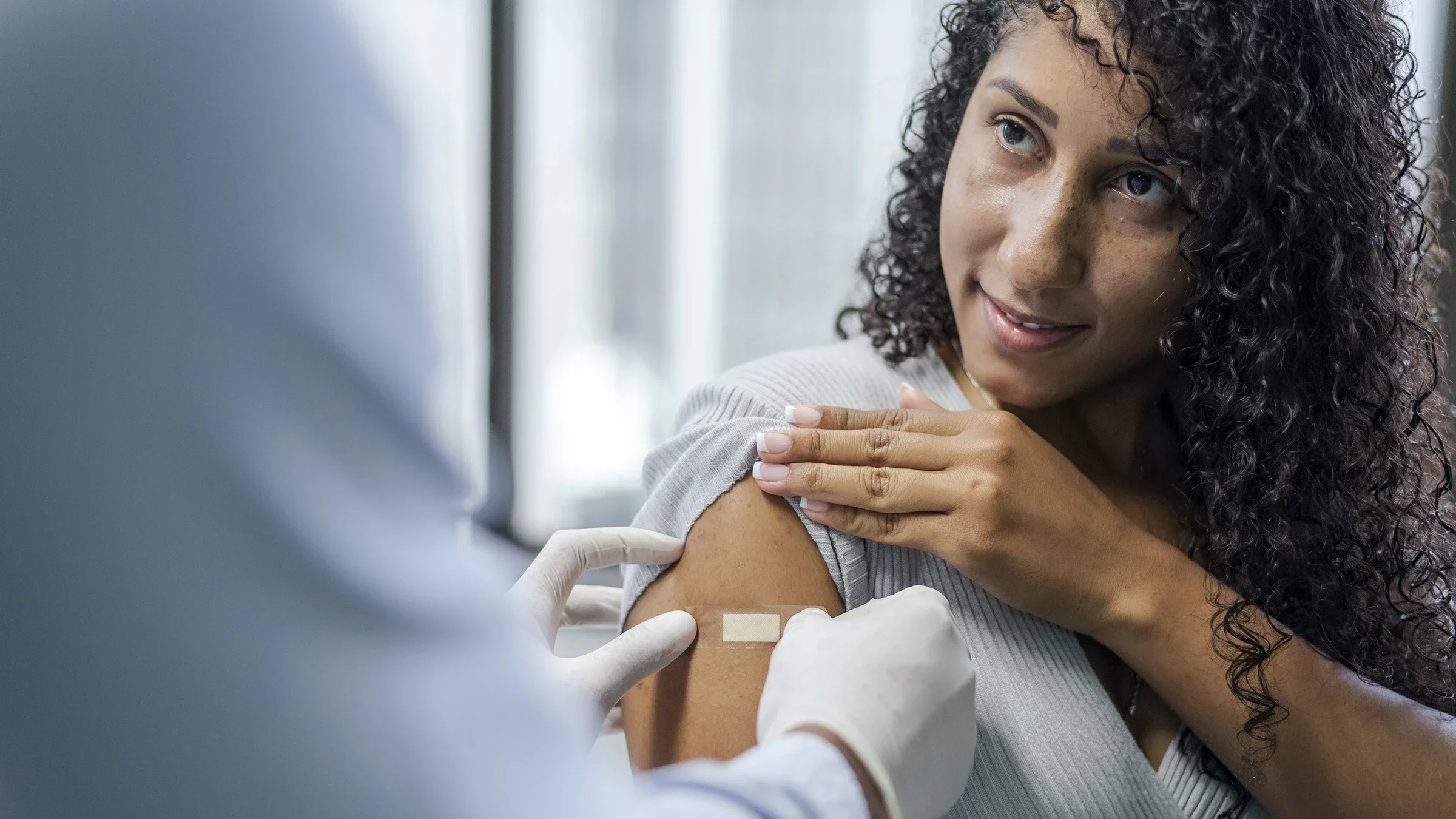
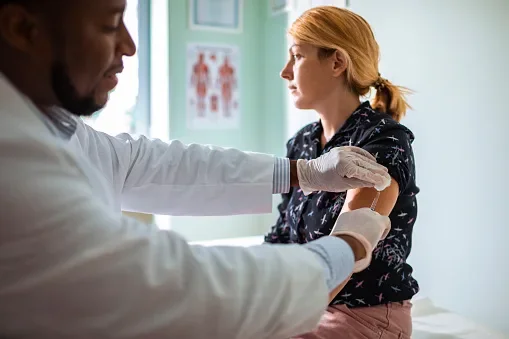
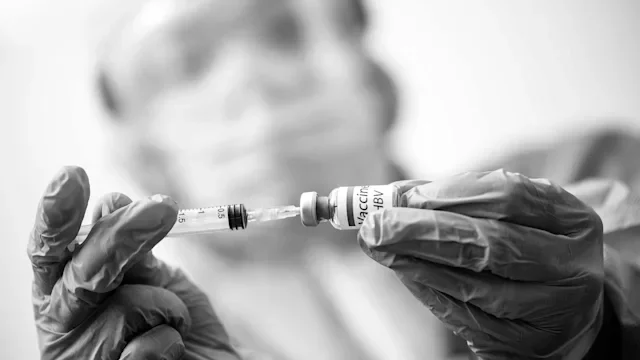
There is a safe and effective hepatitis B vaccine that can keep you from getting hepatitis B.
Experts recommend that babies, children, and young adults receive the hepatitis B vaccine. They are more likely to develop chronic hepatitis B.
But the vaccine is approved for everyone under 60 years old. People older than 60 years old who aren’t vaccinated can get the vaccine.
Other things you can do to avoid getting hepatitis B include:
Don’t share needles, syringes, or razors with other people.
Wear gloves if coming into contact with someone else’s blood or bodily fluids.
Use condoms and practice safe sex.
No. There is no medication that can cure hepatitis B.
The good news is that most adults who develop acute hepatitis B can fight off the infection. People who develop chronic hepatitis B can take antiviral medications. These medications help protect the liver but cannot get rid of the virus completely. So people are still at risk for developing liver scarring (cirrhosis) and liver cancer.
No. There is no medication that can cure hepatitis B.
The good news is that most adults who develop acute hepatitis B can fight off the infection. People who develop chronic hepatitis B can take antiviral medications. These medications help protect the liver but cannot get rid of the virus completely. So people are still at risk for developing liver scarring (cirrhosis) and liver cancer.
Yes. The hepatitis B virus can only spread through direct contact with bodily fluids. This includes blood, semen, and vaginal secretions. Hepatitis B passes most often through pregnancy, unprotected sex, or needle sharing.
Hepatitis B is not spread through the air or through saliva. So you can’t catch it from someone coughing or sneezing. And it isn’t spread during close contact. So it’s safe to hug, kiss, and eat with someone who has hepatitis B. It’s also safe to breastfeed if you have hepatitis B.
Hepatitis B is very contagious. It’s much more contagious than HIV. That’s another virus which passes through contact with blood or bodily fluids.
Without treatment, people carry more copies of the virus in their blood. They are then more likely to pass the virus to others.
If you are likely to come in contact with the hepatitis B virus, consider getting the hepatitis B vaccine.
Centers for Disease Control and Prevention. (2016). Hepatitis B: General information.
Centers for Disease Control and Prevention. (2023). Hepatitis B information: Frequently asked questions for the public.

Prescription savings
Stop paying too much for your prescriptions. Compare prices, get pharmacy coupons, and save up to 80%. Find expert answers to your health questions so you can make the best decisions for yourself and your family.
Health conditions
Medications & treatment
Access & affordability
Medication discounts