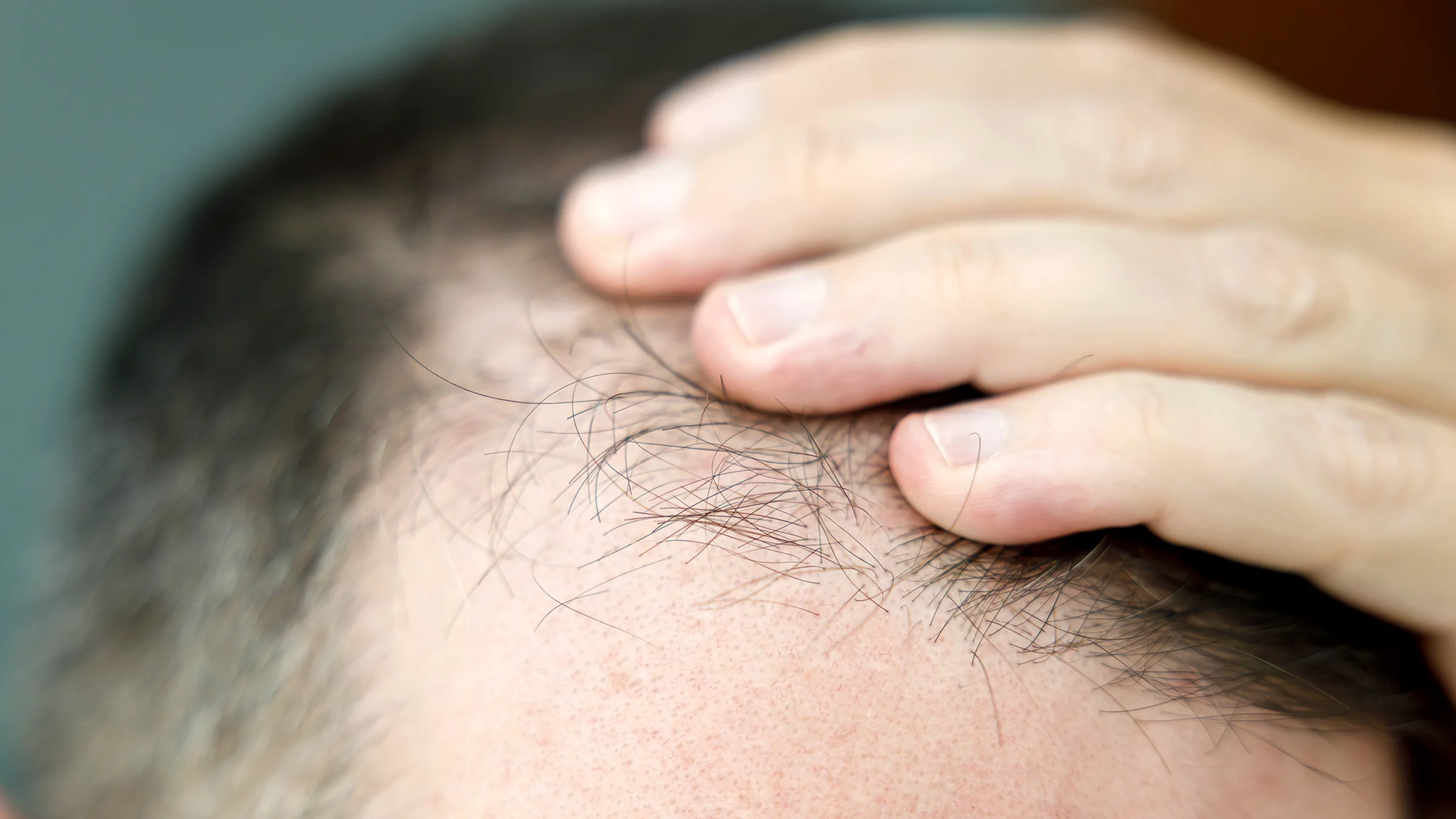
Key takeaways:
Vitamin A helps with cell growth and regulates oil production in the scalp. This helps support healthy hair growth.
People who are deficient in vitamin A may experience hair loss as a symptom. In these cases, vitamin A supplements may help with hair growth.
Taking vitamin A when you're not deficient won't boost hair growth. In fact, it may actually have the opposite effect. High doses of vitamin A from supplements can cause hair loss.
If you're dealing with hair loss, it might be tempting to explore natural options and supplements that may help. For example, some people have turned to vitamin A to promote hair growth. But too much of a good thing is, well, not good. Most of us get enough vitamin A in our diets already, so adding a supplement may not be a good idea for you.
Here's the lowdown on how vitamin A can help and hurt hair growth.
What is the role of vitamin A in your body?
Vitamin A is a fat-soluble nutrient that supports healthy skin, vision, and immune health. It also helps cells grow and stay healthy. That's why vitamin A plays an important role in many different organ systems — including the heart, lungs, and eyes.
Search and compare options
How does vitamin A support hair growth?
Hair is one of the fastest-growing tissues in the body. And vitamin A helps support this growth through a few different processes. Here's how it works:
It supports the cells: Vitamin A helps all cells grow, which includes skin and hair cells. It regulates follicle stem cells and the hair cycle at each stage of growth.
It maintains a healthy scalp: Vitamin A supports the production of sebum (oil) in your scalp. Sebum helps moisturize hair and prevent breakage.
It acts as an antioxidant: This means vitamin A protects tissues from free radical damage. Free radical damage is one of the contributors to age-related changes in the body, including the health of your skin and hair.
Basically, vitamin A lays the foundation for healthy hair. But it won't trigger new growth if you get enough vitamin A in your diet — and most people already do. So, unless you’re deficient, taking extra vitamin A likely won’t help. In fact, it may make things worse. Research shows that over-supplementing with vitamin A can decrease hair count and density.
How to take vitamin A for hair growth
If you're not low in vitamin A, don't take vitamin A supplements for hair growth. Most people get enough vitamin A from their diets, so deficiency is uncommon. But people with inflammatory bowel disease (IBD) or those who have had bariatric surgery are at a higher risk of a vitamin A deficiency. If you think you may have a vitamin A deficiency, ask your primary care provider for a blood test.
If you're interested in increasing your vitamin A levels, try eating more foods rich in vitamin A instead of taking a supplement. Foods that are high in vitamin A include:
Beef or lamb liver
Sweet potatoes
Carrots
Pumpkin
Eel
Cooked spinach
Risks of taking too much vitamin A
There are risks to taking too much vitamin A when you don’t need it. As mentioned above, too much vitamin A (from supplements) can lead to hair loss. When vitamin A levels in the body get too high, it can mess with the hair's growth cycle and the amount of oil produced in the scalp.
Other risks of taking too much vitamin A include:
Skin peeling
Blurry vision
Headaches
Dizziness
Nausea and vomiting
Elevated cholesterol levels
These risks make it extra important to get your vitamin A levels checked before taking a vitamin A pill for hair growth.
Frequently asked questions
If you've taken a blood test and your vitamin A levels are low, using topical vitamin A might help with hair growth.
If your primary care provider recommends taking vitamin A, consider a supplement that has less than the upper limit. That's about 3,000 mcg (10,000 IU) for adults. Taking more than 3,000 mcg of vitamin A every day can be toxic. For reference, the recommended daily allowance (RDA) of vitamin A is just 700 mcg to 900 mcg.
Go for a supplement that's third-party-verified by organizations such as NSF or USP to ensure quality.
If you've taken a blood test and your vitamin A levels are low, using topical vitamin A might help with hair growth.
If your primary care provider recommends taking vitamin A, consider a supplement that has less than the upper limit. That's about 3,000 mcg (10,000 IU) for adults. Taking more than 3,000 mcg of vitamin A every day can be toxic. For reference, the recommended daily allowance (RDA) of vitamin A is just 700 mcg to 900 mcg.
Go for a supplement that's third-party-verified by organizations such as NSF or USP to ensure quality.
The bottom line
Vitamin A plays an important role in hair growth. But taking vitamin A supplements probably won't help your hair grow if you're not deficient in the nutrient. In fact, it might just cause the opposite effect you're aiming for: hair loss. Before taking a vitamin A supplement, ask your primary care provider for a blood test to check your level.

Why trust our experts?



References
Almohanna, H. M., et al. (2018). The role of vitamins and minerals in hair loss: A review. Dermatology and Therapy.
Everts, H. B. (2012). Endogenous retinoids in the hair follicle and sebaceous gland. Biochimica et Biophysica Acta.
MyFoodData. (n.d.). Nutrient ranking tool: Foods highest in vitamin A (RAE).
Office of Dietary Supplements. (2025). Vitamin A and carotenoids: Fact sheet for health professionals. National Institutes of Health.
VanBuren, C. A., et al. (2022). Vitamin A in skin and hair: An update. Nutrients.