What Is Generalized Anxiety Disorder? Causes, Symptoms, and Treatments
Comprehensive information for you or a loved one — including treatment options and discounts on popular medications.

Anxiety is a normal human emotion. Many people worry about things like health, money, or relationships from time to time.
But generalized anxiety disorder (GAD) is more than just “normal” anxiety. It’s a mental health condition that causes persistent, excessive worrying about a wide variety of problems — often out of proportion to the actual facts or events.
The truth is: People with GAD feel worried and anxious almost every single day. They can’t control their anxiety — to the point where it interferes with work, relationships, and other parts of daily life. GAD can also cause physical symptoms, like muscle tension and sleep problems. It can even make it hard to concentrate or think clearly.
Though there’s no cure for generalized anxiety disorder, there are good treatments and therapies. Understanding GAD as a mental health condition can help you get the right diagnosis and start to get your symptoms under control.


Search and compare options
Anxiety disorders are very common. In fact, they’re the most common mental illness in the U.S. Almost 6% of U.S. adults will have GAD at some point in their lives. But the truth is, we don’t know exactly what causes GAD.
Like other mental illnesses, the cause may be linked to your:
Genes (DNA): Research shows that anxiety disorders run in families. This means if you have a family member with an anxiety disorder, you may be more likely to get one yourself.
Biology: People with GAD may have changes in certain brain chemicals (like serotonin and dopamine) that can affect mood and anxiety.
Environment: Anxiety disorders can be triggered by stressful life events. This can include traumatic experiences like death, violence, or medical problems.
In adults, GAD is more common in women than men. Anxiety disorders also often coexist with depression. In fact, over half of those diagnosed with GAD also have symptoms of major depression.
The hallmark of GAD is constant fear or worry. People with GAD can also have physical and emotional symptoms.
All people with GAD share these symptoms:
Excessive anxiety or worry almost every day
Having fear about a wide variety of everyday things (like work, money, relationships, and health) or about bad things happening in the future
Being unable to control the anxiety and worry
People with GAD can also have some — or all — of the following emotional and physical symptoms:
Feeling restless or “on edge”
Quick to experience fatigue
Concentration problems
Irritability
Muscle tension
These symptoms are usually severe enough that they interfere with daily life. People with anxiety often withdraw from social events and relationships. They may also have trouble at work, school, or in other parts of their life.
Compare prices and information on the most popular Anxiety medications.
If you’re concerned about GAD, talk to a healthcare professional — especially if you’ve been struggling with symptoms for more than a few months. You can also start by checking out Mental Health America’s anxiety test to see if it makes sense to ask for professional help.
When you meet with a healthcare professional, they’ll ask you about your symptoms and medical history. They may also ask you to fill out a special questionnaire that can help them understand your condition. They’ll use this information to decide whether you might have GAD. In many cases, they may also use a guidebook called the Diagnostic and Statistical Manual of Mental Disorders (DSM-5-TR) to confirm the diagnosis.
They might also suggest a physical exam or blood tests. These can help rule out any physical causes of anxiety, like thyroid problems. The healthcare professional might also refer you to a mental health professional like a psychiatrist or therapist for more specialized care.
Therapy is a great treatment for GAD — either on its own or combined with medications.
One of the most effective therapies for GAD is cognitive behavioral therapy (CBT). CBT is a type of therapy where you learn to identify, understand, and change your thoughts, feelings, and behaviors.
Working with a CBT therapist can help you:
Learn to manage your anxious thoughts
Learn coping skills to help you manage anxiety
Confront and face your fears
Acceptance and commitment therapy (ACT) is another effective therapy for GAD. This type of therapy focuses on mindfulness skills to help you step back from your anxious thoughts. Over time, you’ll learn that anxiety doesn’t have to control your decisions, even when you feel fear.
Connecting with others can also help you feel supported — and get better. Consider reaching out to an anxiety support group or peer network (either in-person or virtually) as part of your treatment plan.
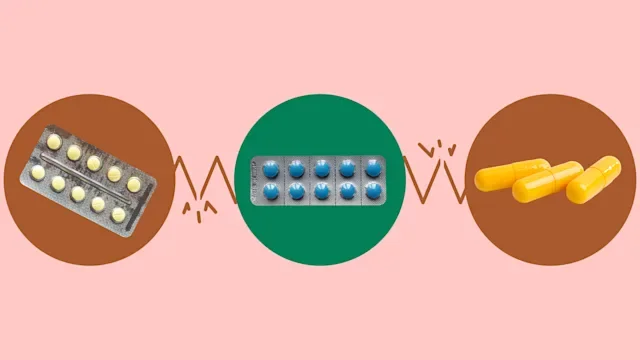
If anxiety is causing you a lot of distress, it may be worth trying medication — especially if your symptoms make it difficult to go about your usual tasks or even seek treatment. For many people, anxiety is treated with a combination of medication and therapy.
Medications that are used to treat GAD include:
Hydroxyzine (Vistaril)
Buspirone (Buspar)
These medications are only available with a prescription. Some are designed to be taken daily to gradually decrease your overall anxiety. Other medications can be used “as needed” for quick relief.
Some people only take medication for a few months, then stop. Other times, people take medication long term.
Talk to your healthcare team about what options may be right for you. Keep in mind that it may take a little while to find the right medication. People respond in different ways to medications. You may need to try a few things before you find what works best for you.
In addition to medication and therapy, you can also support your mental health and manage anxiety by:
Getting enough good-quality sleep
Having a good support network
Eating nutritious foods
Being kind to yourself
Some people also find home remedies helpful, including:
Weighted blankets
Essential oils
Herbal teas
Mindfulness
You may find that some strategies work better than others. You might have to experiment with different approaches to find the best tools for managing your anxiety symptoms.
And remember: Always check in with your healthcare team before making any changes to your diet or exercise routine — or before starting any herbs or supplements.
Yes, people with GAD can also have other anxiety disorders. In fact, there’s evidence that 60% of people with one anxiety disorder also have either a second anxiety disorder or major depression.
Other common anxiety disorders include:
Yes, people with GAD can also have other anxiety disorders. In fact, there’s evidence that 60% of people with one anxiety disorder also have either a second anxiety disorder or major depression.
Other common anxiety disorders include:
It’s helpful to have some strategies for managing anxiety when you want to calm down right away. Here are some ideas to try:
Take a 5-minute break.
Go for a walk.
Listen to music.
Take slow, deep breaths.
Identify three objects you can see, two you can hear, and one you can touch.
Find something that makes you laugh.
Talk to someone about how you feel.
Both men and women get GAD, but there seem to be some differences:
Women are twice as likely as men to have GAD.
Women with GAD are more likely than men to have another mental illness.
Men with GAD are more likely to use alcohol, drugs, and tobacco.
Researchers think these variations might be because women’s brains may react differently to threats and stay activated for longer. The female brain may also process certain chemicals and hormones differently.
If you’re taking medication for anxiety and you want to get pregnant, speak with a healthcare professional first or as soon as you discover you’re pregnant.
Some of the medications used to treat anxiety can cause problems for babies, so you might need to switch to something else to keep your baby safe. Whatever you do, don’t stop your treatment suddenly, as this can cause problems too.
Some people with GAD also have panic attacks. A panic attack is a sudden feeling of extreme fear or panic accompanied by physical symptoms — like a rapid heartbeat, sweating, or feeling short of breath. It usually comes out of nowhere, then peaks and goes away within 20 to 30 minutes.
American Psychiatric Association. (2021). APA releases Diagnostic and Statistical Manual of Mental Disorders, fifth Edition, text revision (DSM-5-TR).
Anxiety & Depression Association of America. (2025). Facts and statistics.
Prescription savings
Stop paying too much for your prescriptions. Compare prices, get pharmacy coupons, and save up to 80%. Find expert answers to your health questions so you can make the best decisions for yourself and your family.
Health conditions
Medications & treatment
Access & affordability
 Our monthly healthcare membership can help you save thousands on your prescription costs.
Resources