Key takeaways:
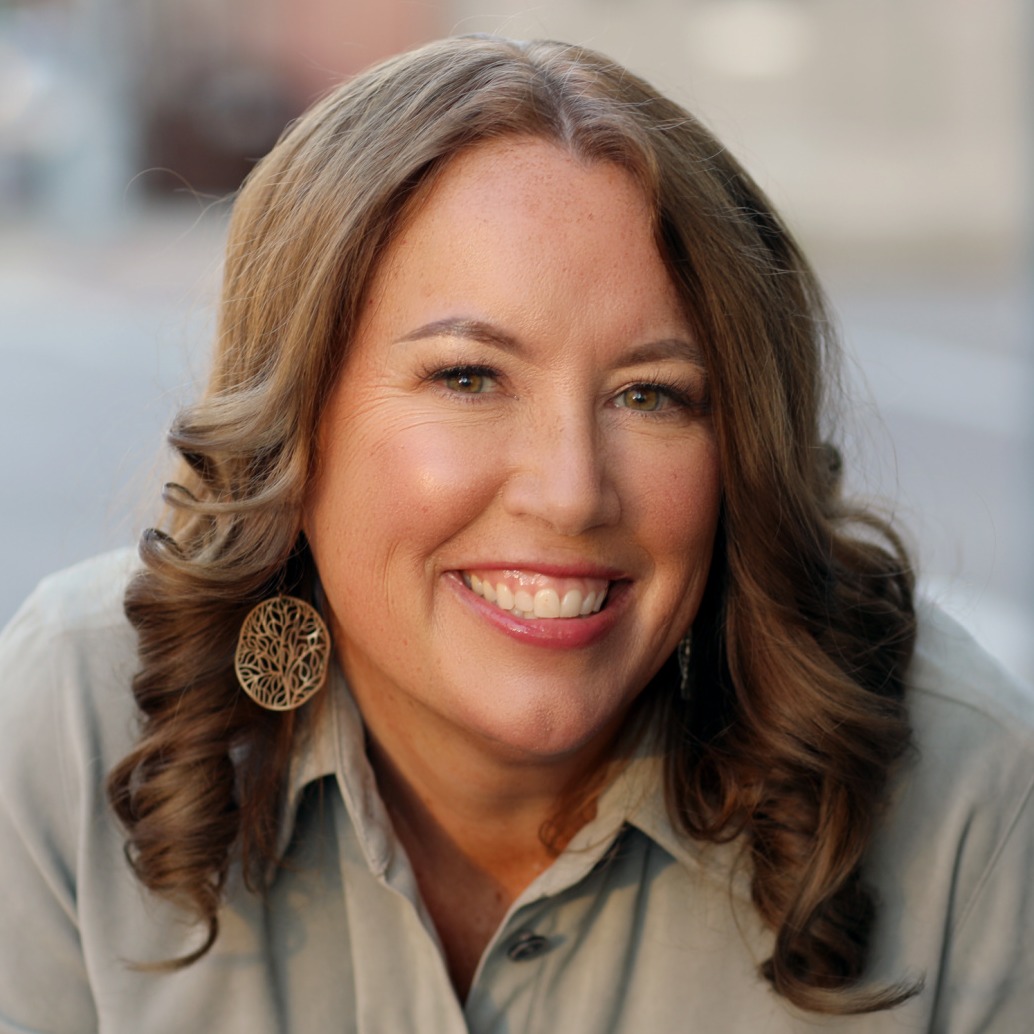
At times, Nikki Meyer’s anxiety and panic disorders make “regular” life impossible.
She has been frustrated by the mental health treatment she’s received. But things are slowly getting better.
She has learned to take things one day at a time to keep her anxiety in check.
Save on related medications
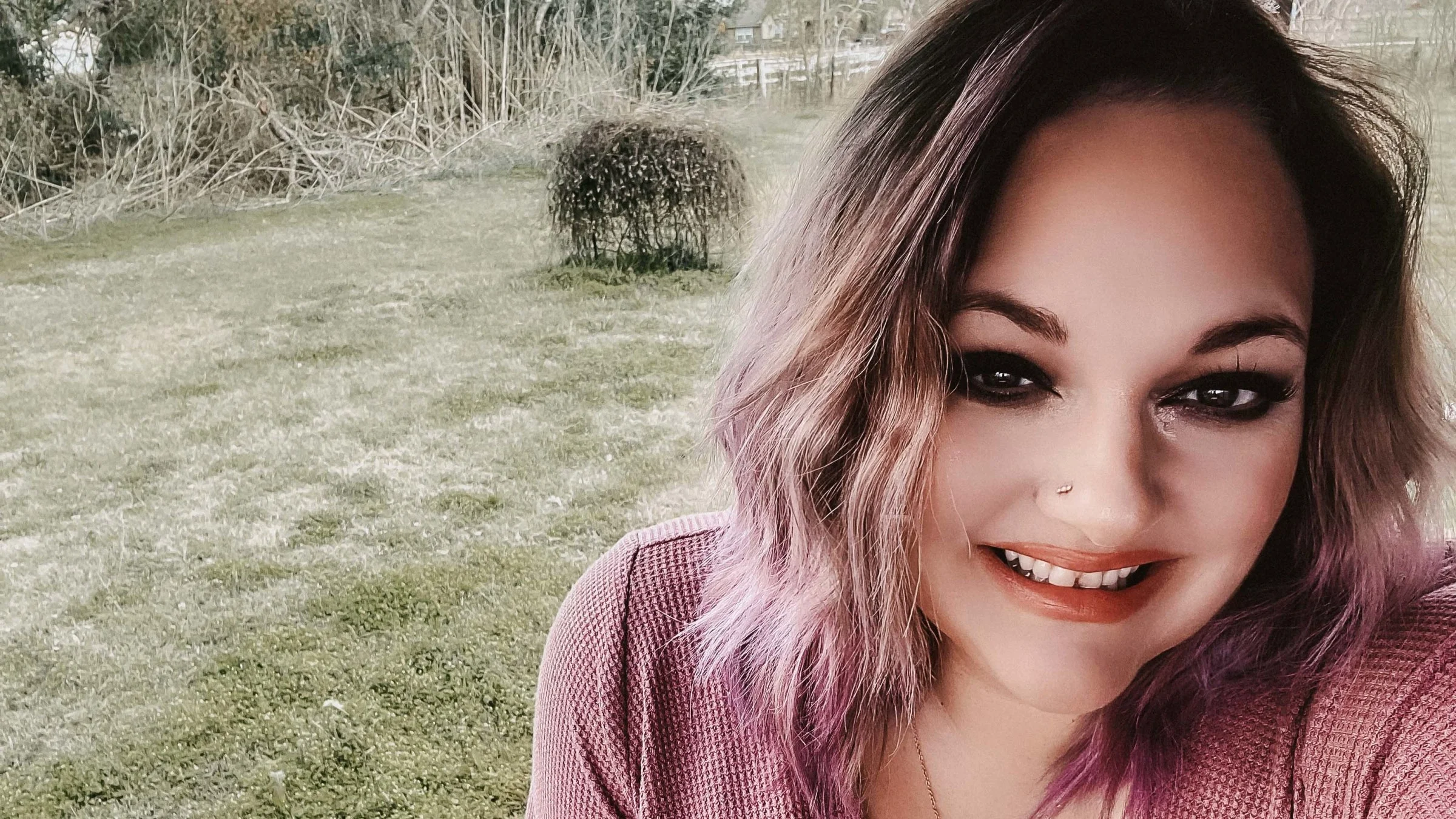
In 2013, Nikki Meyer was constantly wrapped in worry. She felt anxiety while driving and while at home. She couldn’t shake her nervousness about the safety of her three children.
“I became a helicopter mom,” says Nikki, 37, of Needville, Texas. “I didn’t even want to let my kids go outside and play in the yard because I just had this overwhelming sense that somebody would fall down and break an arm.”
Those closest to her dismissed her complaints.
Search and compare options
“They kind of ridiculed me at first,” she says. “I constantly got, ‘You just need to calm down.’ ‘You just need to chill out.’ ‘You just need to relax. This is not a big deal.’”
It would take years for her to get a diagnosis for what she was experiencing: generalized anxiety disorder (GAD).
With GAD, Nikki says, “You do constantly feel fear when there’s nothing to be afraid of.” Her primary care doctor told her to see a psychiatrist for benzodiazepines. Nikki hesitated.
“The thought of a psychiatrist was still very taboo for me. I thought, ‘No way. I’m not that bad off,’” she recalls. “I was mostly concerned about what other people would think … They’re going to think I have this anxiety disorder and I’m an unfit mother, and they’re going to take my kids away from me.”
The doctor didn’t push, and she pressed on, without treatment.
“I thought you had to have something like schizophrenia, something along those lines that made you really act out and become a danger to yourself and other people before they would take you seriously or give you real help,” Nikki says. “I have had a lot of negative experiences as far as the mental health care system goes.”
Anxiety gets in the way of the everyday
Nikki never before had any type of social anxiety, but she found herself turning down invitations to meet with friends and family.


“I started to find reasons to not go, not answer the phone, not respond to text messages… And of course, people are only going to ask you to hang out so many times before they stop asking altogether, and that’s pretty much what happened,” she says. “I didn’t want it to be part of my disorder, so I convinced myself I enjoyed being alone.”
Anxiety, she says, can make ordinary acts seem nearly impossible.
“There are some days I get up and my anxiety is so bad that I can’t drive my kids to school and they have to ride the bus. And then I feel guilty, like a horrible failure of a mom,” Nikki says. “I love to go to the gym, but there are some days I cannot bring myself to drive there. I have canceled doctor’s appointments because I was having what I call, ‘a bad day.’”
Still, she says, she felt she had her disorder under control.
“I just thought this was the way I was,” Nikki says. “I’m just a nervous, high-strung person who seems completely normal on the outside.”
Panic attacks made everything worse
Everything changed in March 2021. She started having panic attacks.
“I didn’t even know what a panic attack was. I’d never had one,” she said. “All of a sudden, it came out of nowhere, and I thought I was going to die.”
She went to the emergency room after her first two attacks, which occurred in the space of one week. During the second attack, Nikki recounted, “My heart rate was 166. My blood pressure was through the roof. And my heart — my heart felt like it was taking up half of my entire body, just pounding out of control.”
In both cases, she left the hospital without treatment.
“A doctor told me, ‘What’s happening to you is a panic attack. It’s just your anxiety,’” Nikki says.
Being told there was nothing physically wrong was confusing for Nikki. She was getting headaches, often felt dizzy, and felt as if there was pressure on her chest.
Through May, the panic attacks were sporadic. She experienced one, perhaps two, per week. By June, they were a daily event, striking her up to three times per day.
Nikki was consumed with anxiety about when the next panic attack might strike. She became irritable, losing her job after a disagreement with her boss. She was having, what she calls, “some really dark thoughts.”
“It becomes physically and emotionally exhausting, and it gets to the point that you completely can’t participate in your normal life,” she says.
It was time for treatment.
Living day to day
Nikki visited a new primary care doctor, as she had when she was first diagnosed. This doctor, too, recommended she see a psychiatrist for medications to treat her anxiety. But this physician also made it clear that there was no shame in seeking psychiatric help, and that GAD was a legitimate diagnosis.
“That’s literally the first time that any doctor took me seriously. [They] really pushed me and encouraged me to get extra help — and followed up with me and made sure I got it,” Nikki says. “Having that little bit of advocacy, having somebody that actually cared, gave me the courage to reach out for extra help.”
She found a therapist — which wasn’t easy, given the severity of her symptoms. When Nikki was still suffering after months of treatment and different medications, her therapist said there wasn’t much more that could be done.
Then Nikki started taking Zoloft, which has had a positive impact of making her feel more even-keeled. Every morning, she writes out her plan for her entire day, everything from making the bed to putting on makeup. She also turns to a subscription app called “DARE: Anxiety and Panic Attack Relief” for support.
She’s also very public about her struggles on social media. For some reason, she says, having strangers know her problems doesn’t make her anxious. She hopes she’s helping others.
Now, she takes things one day at a time.
“You have to keep your mind focused on moving forward, and you have to keep reminding yourself that if you were good two days ago, you can be good again,” Nikki says. “I mourn the person I was prior to that very first panic attack, because she’s gone … I don’t say that in a negative way, like I’m never going to get better … but that person doesn’t exist anymore because she hasn’t gone through this. When I come out on the other side, I hope to be better and stronger.”

Why trust our experts?