Key takeaways:
Flu symptoms usually last 5 to 7 days, but some symptoms can linger for several weeks as your body recovers.
When compared to the common cold, flu symptoms tend to be more intense and last longer.
Prescription antiviral medications for the flu may shorten the duration of symptoms, but they aren’t needed to fully recover.
Most people are familiar with the symptoms of the flu. It usually feels like a longer and more severe version of the common cold. The flu is mainly a respiratory infection. However, the symptoms can affect a lot more than your nose, throat, and lungs. The flu also tends to cause fever, significant fatigue, and body aches — and sometimes digestive symptoms too. In other words, it’s harder to keep up with your normal daily activities when you’re sick with the flu.
Here, we’ll go over how long flu symptoms last and how long it’ll take to get back to feeling like yourself.
How long does the flu last?
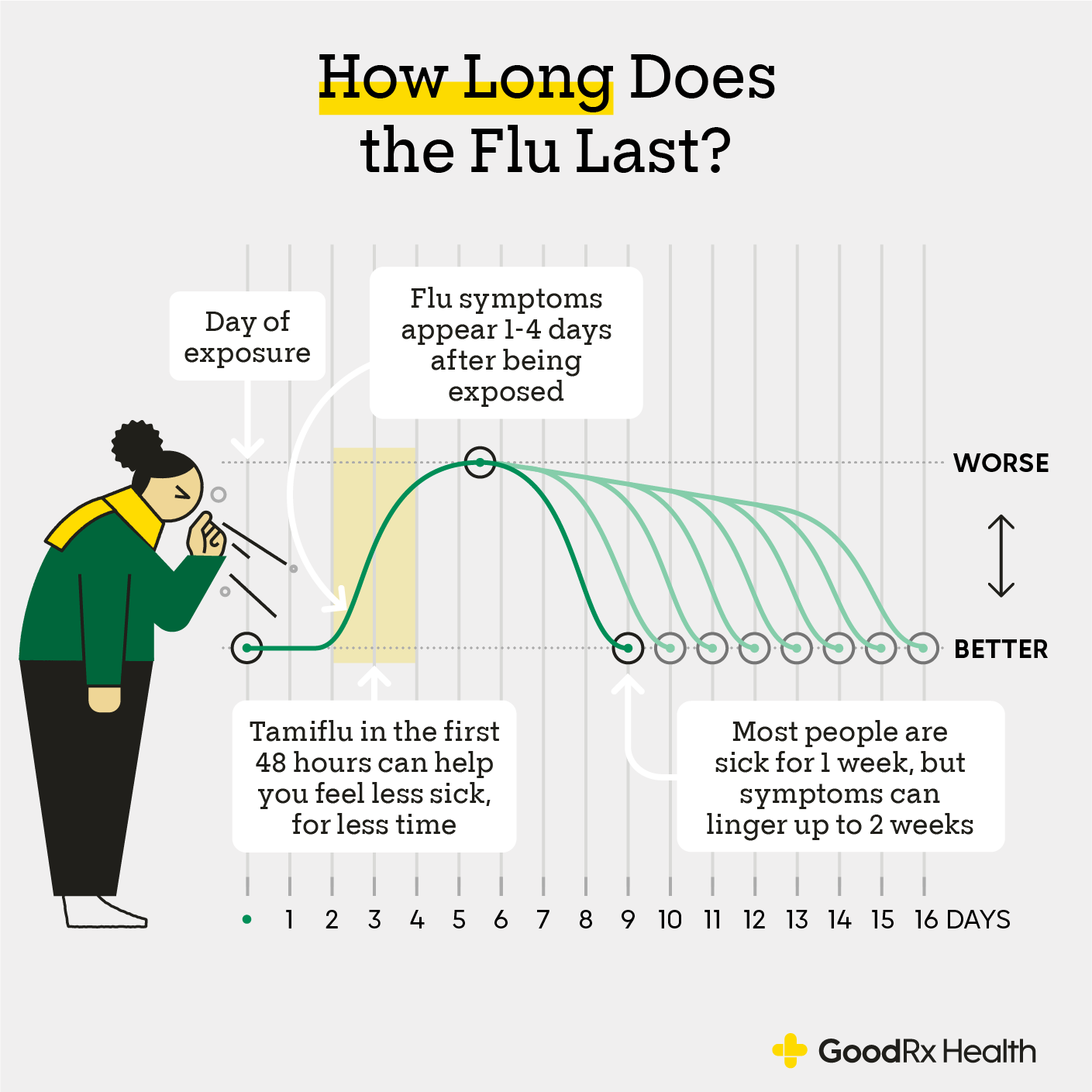
Most people feel sick from the flu for about 1 week. The more severe symptoms — such as fever and body aches — last 4 to 7 days. But other symptoms — like cough and fatigue — can last for several weeks.
Search and compare options
There are certain risk factors that can increase your chance of getting a more severe infection or affect your flu recovery time. The following conditions increase your risk for a more serious and/or longer infection:
Lung conditions, such as asthma or COPD (chronic obstructive pulmonary disease)
A weakened immune system from a medical condition or certain medicines
Higher body weight
Pregnancy
Under age 5
Over age 65
The stages of the flu can help you understand how long a flu infection lasts and what to expect.
Stages of the flu
The following timeline explains what happens in your body after you’re exposed to the flu virus.
Incubation: Days 0 and 1
The flu incubation period is the time between exposure to the virus and when you start feeling symptoms. In the first few days after you’re exposed, the virus is busy multiplying inside your body. This usually takes about 2 days, but it can take up to 4 days. You can be contagious toward the end of this stage, even before you develop symptoms.
Initial start of flu symptoms: Day 2
Symptoms typically start 2 days after being exposed to the flu virus, though this can range from 1 to 4 days. Flu symptoms usually develop suddenly. The most common symptoms are similar to those of a cold, but they often feel more severe:
Cough
Fever and chills
Runny nose
Muscle aches
Fatigue (tiredness)
Nausea and vomiting

How to recover from the flu at home: Many people don’t have to see a healthcare professional when they get the flu. So here’s what you can do to care for yourself at home.
Is it the cold or the flu? When you first get sick, it can be hard to know what you have. But the difference in symptoms can help you figure it out — and what to do next.
At-home flu tests: Learn how to get an at-home flu test, interpret the results, and what to do if it’s positive.
Flu symptom peak: Days 3 and 4
For most people, days 3 and 4 of the flu are the worst. This is when people say they feel “like they’ve been hit by a bus.” Flu symptoms tend to last for 1 week. If you get a fever, it typically lasts 1 to 4 days. Most people tend to feel significant weakness and fatigue during the first week of infection.
Recovery and post-flu fatigue: Days 7 to 14
After the first week, you’ll gradually start to feel a little better. The cough and fatigue tend to be the last symptoms to fully resolve, and they can linger for weeks after the infection. Most people feel back to normal in 2 weeks.
How long are you contagious with the flu?
You’re usually contagious starting the day before symptoms begin. After that, you’re most likely to transmit the virus 3 to 4 days after symptoms begin. But you can still be contagious up to 7 days after your symptoms start.
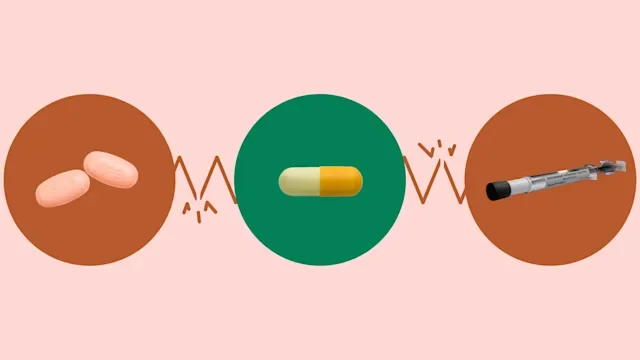
- TamifluOseltamivir
- AmantadineGeneric Symadine and Symmetrel
- XofluzaBaloxavir Marboxil
Some people can transmit the virus for longer. That’s especially true for kids and those with weakened immune systems or underlying health conditions. This is because their bodies take a longer time to fight off the virus.
How to treat the flu
It’s best to contact your primary care provider as soon as you have symptoms that might be the flu. Some people may benefit from antiviral medications, like oseltamivir (Tamiflu). These medications work best when you start them within 2 days of the first symptoms. They can help reduce severity and duration by about a day.
Antiviral medications are usually recommended for people at higher risk for complications from the flu. They can be prescribed by a healthcare professional, usually your primary care provider.
You can also help your body recover with simple measures including rest and staying hydrated.
You don’t need antibiotics for the flu because it’s caused by a virus, not a bacteria. So antibiotics won’t help fight the infection, and they may cause unnecessary side effects.
When to seek medical help for flu symptoms
Most people will make a full recovery from the flu at home, and they won’t need to see a healthcare professional or take prescription medication. But this isn’t always the case. The flu can be a serious infection for some people. And it can lead to health complications or even death. So it’s important not to ignore severe or worsening symptoms.
If you have any of the above conditions that put you at increased risk of flu complications, reach out to a healthcare professional for flu symptoms. But even without these conditions, anyone with the following symptoms should seek immediate medical help:
Difficulty breathing
Bluish discoloration of the face, lips, hands, or feet
Chest pain
Severe fatigue or weakness
Uncontrollable vomiting
Severe headache or neck stiffness
Disorientation or confusion
A high fever that doesn’t go away — or returns — after day 4
Symptoms that seem to be worsening rather than getting better after day 7
Frequently asked questions
Flu symptoms tend to peak around day 3 and 4 after your symptoms start. This is also when people tend to have a fever. But it’s important to note that not everyone who gets the flu will have a fever. After day 4, symptoms tend to improve from day to day.
Yes, you can be around someone with the flu and not get it yourself. When someone has the flu, they’re typically most contagious in the first 3 to 4 days after symptoms begin. They can still be contagious up to 7 days after their symptoms start. But they’re less likely to pass the virus on day 7 compared to day 1. So, like most infections, your risk of getting the flu depends on your level of exposure and where the sick person is on the infection timeline.
Your flu infection has cleared when your symptoms are mostly resolved and you no longer have a fever. For most people, this is after a week. You may still have some lingering symptoms as your body recovers from the infection. These are usually fatigue and a lingering cough. But the infection itself is usually gone before the symptoms are completely gone.
Flu symptoms tend to peak around day 3 and 4 after your symptoms start. This is also when people tend to have a fever. But it’s important to note that not everyone who gets the flu will have a fever. After day 4, symptoms tend to improve from day to day.
Yes, you can be around someone with the flu and not get it yourself. When someone has the flu, they’re typically most contagious in the first 3 to 4 days after symptoms begin. They can still be contagious up to 7 days after their symptoms start. But they’re less likely to pass the virus on day 7 compared to day 1. So, like most infections, your risk of getting the flu depends on your level of exposure and where the sick person is on the infection timeline.
Your flu infection has cleared when your symptoms are mostly resolved and you no longer have a fever. For most people, this is after a week. You may still have some lingering symptoms as your body recovers from the infection. These are usually fatigue and a lingering cough. But the infection itself is usually gone before the symptoms are completely gone.
The bottom line
Even though the flu is a respiratory infection, it takes a toll on your whole body. The flu usually lasts about a week. And the most severe symptoms tend to improve after day 4. But cough and fatigue can linger well after the infection is gone. So be patient with your body as it recovers.
Taking antiviral medication can decrease the severity and duration of the symptoms. To decrease your risk of getting sick in the first place, it’s best to get vaccinated and avoid exposure to someone who’s sick.

Why trust our experts?



References
American Lung Association. (2024). Flu symptoms and risk factors.
Centers for Disease Control and Prevention. (2024). About influenza.
Centers for Disease Control and Prevention. (2024). Clinical signs and symptoms of influenza.
Centers for Disease Control and Prevention. (2024). How flu spreads.
Centers for Disease Control and Prevention. (2024). Signs and symptoms of flu.