Key takeaways:
The flu vaccine is safe and effective, and it’s recommended for nearly everyone this flu season (October through May).
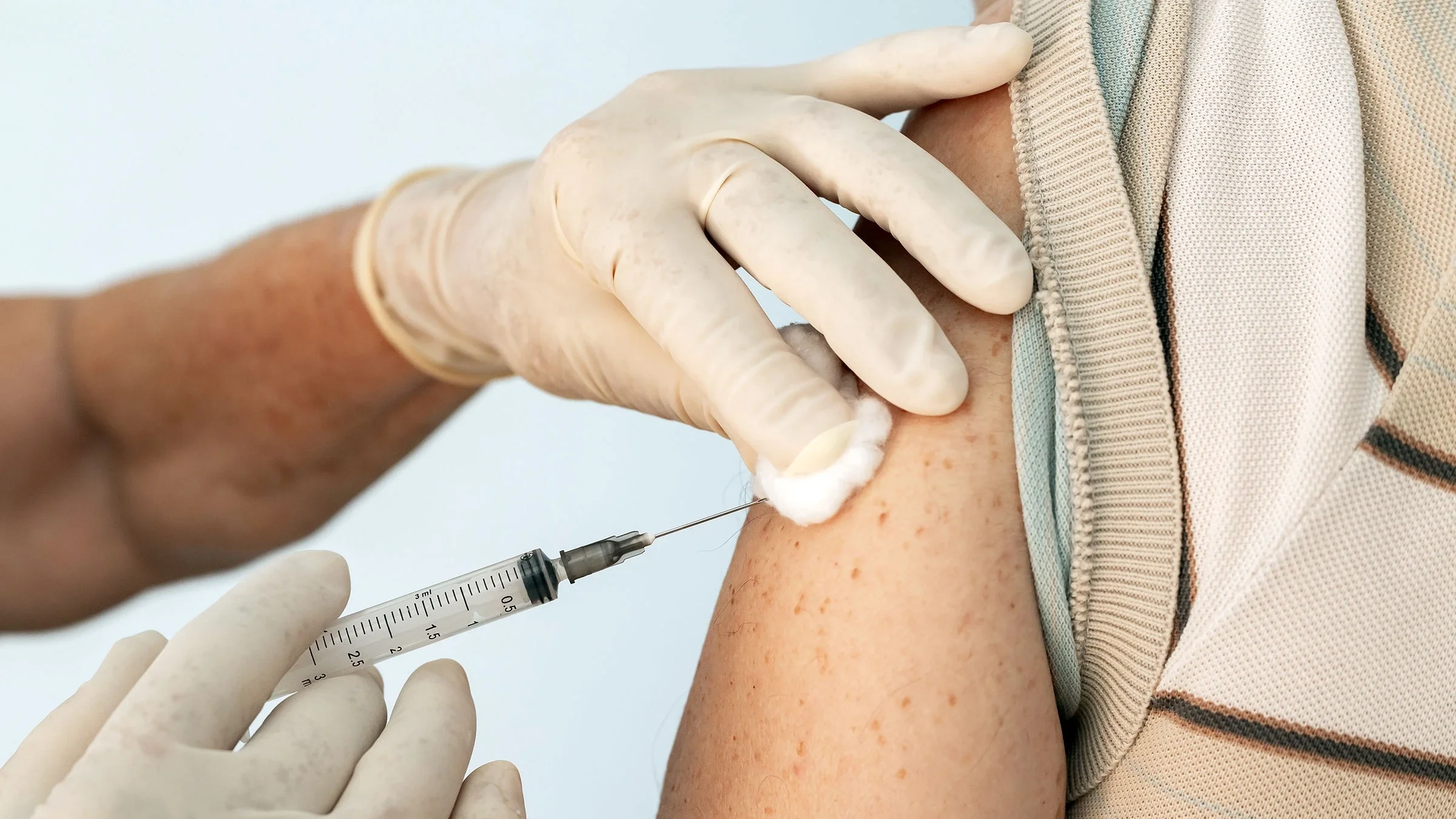
The flu shot is the best way to protect yourself and your community against the flu.
The flu shot doesn’t provide 100% protection, so it’s still possible to get the flu. But you’re less likely to get seriously ill or have complications versus without the vaccine.
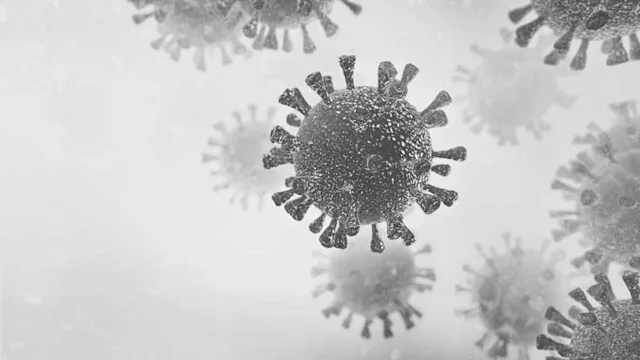
The flu (influenza) is a respiratory infection caused by influenza viruses. These viruses are very contagious and spread easily through the air and on surfaces. They can enter your body through your nose, eyes, or mouth — where they attack your nose, throat, and lungs.
The flu can affect anyone — even young, healthy people. For some people, influenza viruses may only cause mild illness. But other people can become very sick.
The last couple of years have seen particularly rough flu seasons. For example, in 2024-25, the U.S. had the highest death rate among children since 2004, and 89% of the population wasn’t vaccinated. Also, nearly 11% of people hospitalized for flu-related illness had no underlying health conditions. The 2025-26 flu season was just as bad, but with an earlier peak.
Search and compare options
Vaccination is the best way to protect yourself and those around you from the deadly risks of influenza. Here, we’ll discuss how well it works and why it’s so important.
Does the flu shot work to prevent the flu?
Yes. The flu shot is the most powerful defense we have against seasonal flu. That’s why experts say almost everyone over the age of 6 months should get a flu vaccine every year.
The CDC estimates that the flu vaccine prevented about 10 million flu illnesses and 12,000 deaths in the 2024-25 flu season. The flu shot also kept about 180,000 people out of the hospital in that same period.
Of course, the flu shot isn’t perfect. Its effectiveness varies from year to year, depending on how well the vaccine matches the viruses spreading in the community. Age also matters: The flu shot might not be as effective in children under age 2 and adults over age 65. Between those age ranges, the flu shot is up to twice as effective in children compared with adults.
Vaccine effectiveness is a measure of how well the vaccine protects people from the flu, compared to people who aren’t vaccinated.
For example, in 2023-24, the flu vaccine was 44% effective. This means people who got the vaccine were 44% less likely to get sick with the flu than people who didn’t get the vaccine.
Here’s how well the flu vaccine has worked in recent years in terms of effectiveness and flu prevention.
Flu season | Effectiveness | Flu cases prevented (estimated) |
|---|---|---|
2025-2026* | 36% | Data not available |
2024-2025* | 56% | 10 million |
2023-2024 | 44% | 9.8 million |
2022-2023 | 30% | 5.5 million |
2021-2022 | 36% | 1.8 million |
2020-2021 | Not estimated due to low circulation | Data not available |
2019-2020 | 39% | 7 million |
2018-2019 | 29% | 3.1 million |
2017-2018 | 38% | 5.9 million |
2016-2017 | 40% | 5.3 million |
2015-2016 | 48% | 5.3 million |
2014-2015 | 19% | 1.4 million |
2013-2014 | 52% | 7.5 million |
2012-2013 | 49% | 5.5 million |
2011-2012 | 47% | 2.2 million |
2010-2011 | 60% | 5.6 million |
*Preliminary estimates
These numbers are impressive, but they don’t tell the whole story. That’s because the flu shot does more than just protect you from getting sick. Even in years when the flu shot is less effective, it still does more good than harm.
How does the flu shot work to protect you?
The flu shot will make you less likely to catch the flu, but that’s not the only benefit. The flu shot can also:
Make your flu symptoms less severe if you do get the flu
Lower your chances of hospitalization or death if you get the flu
Reduce the spread of the flu in your community
Protect pregnant people and babies, who are especially vulnerable to the flu
Reduce flare-ups of other health conditions — like asthma, chronic obstructive pulmonary disease (COPD), and heart disease — for people who have them
How effective is the flu shot?
Let’s look at the numbers. As mentioned above, how well vaccines work tends to vary year to year. But research shows that vaccination is beneficial in several ways, even if you do get the flu:
Requiring medical attention is half as likely.
Hospitalization is 42% less likely overall.
Hospitalization is 52% less likely for children.
Hospitalization is 40% less likely for pregnant people.
The need for mechanical ventilation (breathing machine) is 55% less likely.
The flu shot can also protect you if you have a chronic health condition like heart disease. That’s because the flu can be very hard on your heart and lungs. In some cases, it can even trigger an asthma attack or heart attack.
Studies suggest that flu vaccination can do the following:
Lower your risk of having a major heart-related event (such as a heart attack or stroke) by 34% to 45% after getting the flu
Prevent between 59% and 78% of asthma attacks that otherwise would have led to emergency room visits and hospitalizations
Finally, getting a flu shot can protect you against life-threatening flu complications such as:
Pneumonia
Worsening of lung issues or lung conditions
Heart inflammation (myocarditis)
Brain inflammation (encephalitis)
Muscle inflammation (myositis)
Muscle breakdown (rhabdomyolysis)
Sepsis
Death
Will the flu shot work this year?
It’s impossible to say exactly how well this year’s flu shot will work. That’s because flu viruses change all the time. Due to how the flu shot is made (more below), the viruses have several months to change and evolve before the flu season begins.
The flu shot works best when the vaccine is well matched with the viruses in the community. If the viruses haven’t changed a lot between March and September, the current flu shot will be a good match. And if it’s a good match this year, the flu shot will work well.
Public health officials watch closely each year to see how well the flu shot works. They share this information with healthcare professionals and the public.
How the flu shot is made
Three different types of influenza viruses can cause symptoms in humans: A, B, and C.
Every year, three to four influenza A and B viruses are included in the flu shot (C is less common and doesn’t cause pandemics).
Production of the flu shot is a year-round process. Throughout the year, researchers around the world monitor influenza outbreaks in their communities. They watch to see which strains of flu are making people sick and how well the current flu shot is working. Based on this information, the World Health Organization (WHO) and its partners recommend which influenza viruses should be included in next year’s flu shot.
After the WHO makes its recommendations, vaccine production begins. The vaccine is made by growing the live viruses in a laboratory, then inactivating them to kill or weaken them.
Recombinant vaccines include a synthetic version of one of the flu virus’ proteins instead.
After the flu shot, your immune system will see the virus or protein as a threat and make special proteins — antibodies — to defend you. Antibodies stick to foreign invaders in your body and tell your immune system where to attack.
It takes your body a couple of weeks to build immunity. So, the flu shot is most effective about 2 weeks after you get it, and it offers protection for 6 months or longer.
Quiz: Test your flu shot knowledge
Frequently asked questions
Whether you should get a flu shot if you’re sick depends on how severe your illness is. There’s not much research behind this, but most experts say it’s safe to get a flu shot if you have a mild illness, like a cold. But with “moderate to severe” illness, you should consider waiting. This is open to interpretation. So, when in doubt, it’s best to check with your healthcare team first, just to be sure.
No, the flu shot can’t make you sick. The flu shot is made from dead or weakened virus fragments. It can’t give you the flu.
Some people may have side effects from the vaccine that may feel similar to the flu. In rare cases (less than 1%), people can have flu-like symptoms for 1 to 2 days. They may include a low fever, muscle aches, or fatigue. These symptoms are a normal response to your body making antibodies. They don’t mean you’re getting the flu.
Yes. The flu vaccine is safe and effective during pregnancy. Pregnancy increases your risk of being hospitalized or dying from the flu. The flu can also cause pregnancy complications like preterm labor and preterm birth.
The flu vaccine protects both the mother and the growing baby during pregnancy. It’ll also protect the baby for up to 6 months after birth. This is especially important because babies younger than 6 months are too young for the flu shot. And babies can get very sick and even die from the flu.
No, the flu shot doesn’t offer protection against the cold or COVID-19. The flu shot only protects you against the three to four influenza viruses included in the vaccine. It won’t protect you from coronaviruses or other types of viruses that can cause illness, like adenoviruses and respiratory syncytial virus (RSV).
Whether you should get a flu shot if you’re sick depends on how severe your illness is. There’s not much research behind this, but most experts say it’s safe to get a flu shot if you have a mild illness, like a cold. But with “moderate to severe” illness, you should consider waiting. This is open to interpretation. So, when in doubt, it’s best to check with your healthcare team first, just to be sure.
No, the flu shot can’t make you sick. The flu shot is made from dead or weakened virus fragments. It can’t give you the flu.
Some people may have side effects from the vaccine that may feel similar to the flu. In rare cases (less than 1%), people can have flu-like symptoms for 1 to 2 days. They may include a low fever, muscle aches, or fatigue. These symptoms are a normal response to your body making antibodies. They don’t mean you’re getting the flu.
Yes. The flu vaccine is safe and effective during pregnancy. Pregnancy increases your risk of being hospitalized or dying from the flu. The flu can also cause pregnancy complications like preterm labor and preterm birth.
The flu vaccine protects both the mother and the growing baby during pregnancy. It’ll also protect the baby for up to 6 months after birth. This is especially important because babies younger than 6 months are too young for the flu shot. And babies can get very sick and even die from the flu.
No, the flu shot doesn’t offer protection against the cold or COVID-19. The flu shot only protects you against the three to four influenza viruses included in the vaccine. It won’t protect you from coronaviruses or other types of viruses that can cause illness, like adenoviruses and respiratory syncytial virus (RSV).
The bottom line
The flu (influenza) is a serious health problem, and the flu shot is the best way to protect yourself and your community. The flu shot is safe for most people over 6 months of age. How well it works varies year to year. But studies show that it protects against severe illness, hospitalization, and death.

Why trust our experts?



References
American College of Obstetricians & Gynecologists. (2025). The flu vaccine and pregnancy.
American Lung Association. (2026). Preventing flu.
Behrouzi, B., et al. (2022). Association of influenza vaccination with cardiovascular risk: A meta-analysis. JAMA Network Open.
Berg, S. (2024). 8 things doctors want patients to know about flu vaccines. AMA.
Centers for Disease Control and Prevention. (n.d.). CDC's influenza vaccine effectiveness networks.
Centers for Disease Control and Prevention. (2024). How flu vaccine effectiveness and efficacy are measured.
Centers for Disease Control and Prevention. (2025). About adenovirus.
Centers for Disease Control and Prevention. (2025). Flu burden prevented by vaccination: Past seasons.
Centers for Disease Control and Prevention. (2025). Preventing seasonal flu.
Centers for Disease Control and Prevention. (2026). 2024–2025 influenza season summary: Severity, disease burden, and burden prevented.
Centers for Disease Control and Prevention. (2026). CDC seasonal flu vaccine effectiveness studies.
Centers for Disease Control and Prevention. (2026). Laboratory-confirmed influenza hospitalizations.
Ghebrehewet, S., et al. (2016). Influenza. BMJ.
Global Initiative for Asthma. (2025). Global strategy for asthma management and prevention.
Grohskopf, L. A., et al. (2022). Prevention and control of seasonal influenza with vaccines: Recommendations of the Advisory Committee on Immunization Practices - United States, 2022-23 influenza season. Morbidity and Mortality Weekly Report.
Howard, B. (2025). 10 things to know about this year’s surprisingly fierce flu season. Association of American Medical Colleges.
Immunize.org. (2025). Influenza: Questions and answers.
National Human Genome Research Institute. (2026). Antibody.
O’Halloran, A., et al. (2025). Influenza-associated hospitalizations during a high severity season — influenza hospitalization surveillance network, United States, 2024–25 influenza season. Morbidity and Mortality Weekly Report.
Pelley, L. (2025). Is there any point in getting a flu shot that's mismatched to the virus? Here’s what the science says. CBC News.
Rasmussen, A., et al. (2025). How are flu vaccine strains chosen each year? Vaccine and Infectious Disease Organization.
Reinhart, K., et al. (2025). Influenza-associated pediatric deaths — United States, 2024–25 influenza season.
Separovic, L., et al. (2025). Interim estimates of vaccine effectiveness against influenza A(H1N1)pdm09 and A(H3N2) during a delayed influenza season, Canada, 2024/25. Eurosurveillance.
Sumner, K. M., et al. (2024). Estimated vaccine effectiveness for pediatric patients with severe influenza, 2015-2020. JAMA Network Open.
Thompson, M. G., et al. (2019). Influenza vaccine effectiveness in preventing influenza-associated hospitalizations during pregnancy: A multi-country retrospective test negative design study, 2010–2016. Clinical Infectious Diseases.
Vasileiou, E., et al. (2017). Effectiveness of influenza vaccine in asthma: A systematic review and meta-analysis. Clinical Infectious Diseases.
Wen, S., et al. (2021). Factors influencing the immunogenicity of influenza vaccines. Human Vaccines & Immunotherapeutics.
World Health Organization. (2025). Influenza (seasonal).
Yegorov, S., et al. (2026). Effectiveness of influenza vaccination to prevent severe disease: A systematic review and meta-analysis of test-negative design studies. Clinical Microbiology and Infection.
Zhou, X., et al. (2025). The association between influenza infection and acute myocardial infarction: A comprehensive systematic review and meta-analysis. Virus Research.