Emergency Contraception (EC): Your GoodRx Guide
Comprehensive information for you or a loved one — including treatment options and discounts on popular medications.

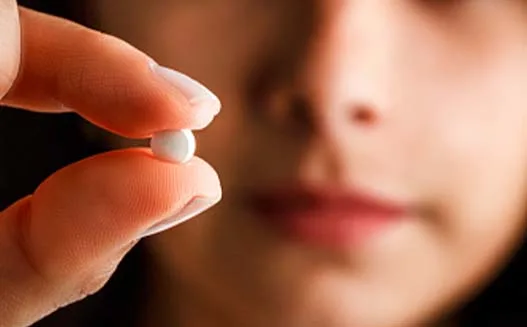
Emergency contraception (EC) is birth control that you can take after having unprotected sex. Unprotected sex is when you have sex but don’t use birth control — like forgetting to take your birth control pill. Sex can also be unprotected if your contraception fails during sex, like if the condom breaks. For most people who have unprotected, penis-in-vagina sex, there is a risk of becoming pregnant. Typically, this is when a person may consider using emergency contraception.
EC is not an abortion. It’s a type of birth control.


There are four available types of EC:
Efficacy: Lowers the risk of pregnancy by up to 89% if taken within 3 days of unprotected sex.
Pros: Available over-the-counter (OTC) to anyone of any age.
Cons: Less effective than other more expensive options.
Efficacy: Lowers the risk of pregnancy by 98%.
Pros: Works within 5 days of unprotected sex.
Cons: It’s a brand-name medication available by prescription only. But it’s more effective than Plan B.
Efficacy: Lowers the risk of pregnancy by 99%.
Pros: Works within 5 days of unprotected sex. Once placed, it keeps working as birth control for up to 10 years.
Cons: An IUD has to be inserted into your uterus by a healthcare provider, usually at their office.
This is when you take several doses of certain birth control pills. It may be an option if you already have these pills at home. It’s the least effective option, lowering the risk of pregnancy by about 74%.
EC can work in a few different ways, depending on which form you’re using:
Plan B: Temporarily blocks ovulation (the release of an egg by the ovaries). No egg means there’s nothing for sperm to fertilize.
ella: Temporarily blocks ovulation and thins the lining of the uterus. A thinner lining means a fertilized egg can’t implant. So a pregnancy can’t begin.
Yuzpe method: Has the same actions as ella, but works in a few extra ways, too. This method also lowers levels of hormones needed to start a pregnancy. It thickens cervical mucus too, making it harder for sperm to swim and reach an egg.
Paragard: Prevents sperm from reaching an egg, and prevents a fertilized egg from implanting in the uterus.
Compare prices and information on the most popular Emergency Contraceptive medications.
To put it simply, use EC as soon as you can after unprotected sex.
All forms of EC work best the sooner you take them. Plan B and other levonorgestrel EC pills, especially, work best if you take them within 72 hours (3 days) of unprotected sex.
If you’re past 3 days, but within 5 days, here’s what you need to know:
Some sources say you can take Plan B and other levonorgestrel pills up to 5 days (120 hours), if needed. They won’t work as well if used after 3 days, but they’ll still work better than doing nothing.
Paragard and ella can be used up to 5 days after unprotected sex, and they work well during the entire 5-day window.
The Yuzpe method can be used up to 5 days after unprotected sex. But again, it’s most effective during the first 3 days.
Anyone of any age can get levonorgestrel EC pills, like Plan B, OTC without a prescription or ID. It’s usually found in the family planning section of most pharmacies and retail stores.
Ella, Paragard, and the Yuzpe method, all need a prescription from a healthcare professional.
ella: Many telehealth services, such as GoodRx Care, offer virtual appointments for EC prescriptions, like ella. Once a provider prescribes it, you’d pick it up from your pharmacy, just like any other prescription medication.
Paragard: You’ll need to visit a provider’s office or clinic within 5 days to get the copper IUD inserted for EC. You’ll also need to return to the office about a month afterwards for an IUD check.
Yuzpe method: This is helpful if you already have the pills at home. If not, you’ll need a prescription for birth control pills from your provider. They can send it straight to your pharmacy, just like any other prescription medication.
Side effects vary, depending on the type of EC you take.
Plan B can make your next period heavier or cause it to be late. If your period is more than a week late, you should take a pregnancy test. Nausea, stomach pain, and fatigue are also common.
Ella’s side effects are similar. It’s even more likely to delay your next period than Plan B. If your period is over a week late, take a pregnancy test. Headache, nausea, and spotting are also typical side effects.
Because Paragard can be kept in as long-term birth control, its side effects can affect more than just your next period. This IUD can cause cramping and longer or heavier periods. These side effects usually get better after the first 3 to 6 months of using Paragard.
The Yuzpe method tends to cause more nausea and vomiting than other EC pills. Your healthcare provider may recommend taking anti-nausea medications about an hour beforehand to help prevent these side effects. Tender breasts, tiredness, and spotting are common, too.
Here’s the four main types of EC, ranked from most effective to least effective:
Most effective: Paragard
ella
Plan B and other levonorgestrel EC pills
Least effective: The Yuzpe method
Remember, time is of the essence with EC. The sooner you use EC, the better it’ll work.
Here’s the four main types of EC, ranked from most effective to least effective:
Most effective: Paragard
ella
Plan B and other levonorgestrel EC pills
Least effective: The Yuzpe method
Remember, time is of the essence with EC. The sooner you use EC, the better it’ll work.
No, there’s no weight limit for Plan B. Studies suggest Plan B may be less effective in people who weigh 165 pounds or more. Ella seems to be the more effective EC pill for people with larger bodies. And Paragard works even better than ella, as it’s not affected by body weight.
But keep in mind, you should still take Plan B if you can’t access other forms of EC — no matter what the scale says. How soon you take Plan B after unprotected sex is the biggest factor when it comes to effectiveness.
Yes. No form of EC is 100% effective. Plan B is about 89% effective if you take it within 3 days of unprotected sex. But it’s still possible to get pregnant, even if you take it right away. So if your next period is over a week late, you should take an at-home pregnancy test. If you do become pregnant after taking Plan B, contact your healthcare provider.
Most EC pill side effects are mild and fast-passing. So if you experience severe or persistent side effects, contact your healthcare provider.
All EC methods have a risk for ectopic pregnancies (pregnancies that start outside the uterus). While rare, they can be life-threatening. If you experience abdominal pain and unusual vaginal bleeding in the weeks that follow using EC, speak with a healthcare provider. These could be signs of an ectopic pregnancy.
You shouldn’t take expired Plan B. Medication expiration dates represent the date when a manufacturer can no longer guarantee its effectiveness. We don’t know how effective expired Plan B is. But we do know it’s likely less effective than what it is prior to the expiration date.
The expiration date is one thing to keep in mind if you’re buying Plan B ahead of time. There are no limits to how much Plan B you can buy. Just keep an eye on the expiration date so you know when to replenish your supply.
American College of Obstetricians and Gynecologists. (2019). Emergency contraception.
American College of Obstetricians and Gynecologists. (2021). Emergency contraception.
Prescription savings
Stop paying too much for your prescriptions. Compare prices, get pharmacy coupons, and save up to 80%. Find expert answers to your health questions so you can make the best decisions for yourself and your family.
Health conditions
Medications & treatment
Access & affordability
 Our monthly healthcare membership can help you save thousands on your prescription costs.
Resources