Key takeaways:
Neuroendocrine tumors are a rare type of cancer that start in neuroendocrine cells, which are found in different parts of your body.
Survival rates for people with neuroendocrine tumors depend on tumor size, behavior, and whether it has spread to other parts of the body.
Neuroendocrine tumors aren’t all the same. Survival rates vary from person to person depending on their specific situation.
Neuroendocrine tumors (NETs) are an uncommon type of cancer that starts in specialized cells called neuroendocrine cells. Finding out about a cancer diagnosis can be frightening. And it’s natural to immediately want to know about prognosis and survival rates.
But with neuroendocrine tumors, finding a clear answer can be difficult. That’s because neuroendocrine tumors are rare, which means there’s less data available compared with more common types of cancer. And not all neuroendocrine tumors behave the same. They may grow and spread differently, which affects a person’s prognosis. Here’s how to understand neuroendocrine tumor survival rates.
What are neuroendocrine tumors?
Before jumping into survival rates, it helps to understand a little about neuroendocrine tumors. Neuroendocrine cells are found in different organs, and their job is to release hormones. These hormones help regulate important bodily functions like digestion and lung airflow. They also help regulate bone and muscle growth and blood pressure.
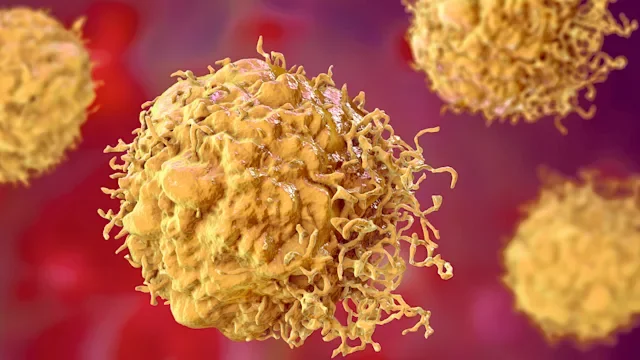
Neuroendocrine cells can change into cancer cells. This happens when the DNA in a normal cell is damaged (mutates) and skips checkpoints that normally destroy these mutated cells. Cancer cells can then grow, divide, and spread.
What causes neuroendocrine tumors?
It’s not clear why some people develop neuroendocrine tumors. Research suggests that both genes and lifetime factors play a role.
People with certain genetic conditions are more likely to develop NETs. These conditions include:
Multiple endocrine neoplasia type 1 (MEN1)
Multiple endocrine neoplasia type 2 (MEN2)
von Hippel-Lindau syndrome
Neurofibromatosis type 1
Tuberous sclerosis complex
Most people who develop NETs don’t have any of these genetic conditions. But they may have changes in how their genes behave. These changes can increase the risk for developing a NET.
Some habits and health conditions are also linked to a higher risk for NETs. These includes:
Type 2 diabetes
Obesity
Autoimmune conditions
Smoking
What are the symptoms of neuroendocrine tumors?
Neuroendocrine tumors don’t always cause symptoms. Some people find out they have a NET by chance. For example, an intestinal NET might be discovered during a routine colonoscopy.
But some NETs can cause symptoms. Symptoms vary from person to person depending on tumor size, location, and whether they produce hormones.
Tumor size
As NETs grow, they can press on surrounding structures. This can cause pain or noticeable swelling and may affect how well these structures function. For example, a NET that blocks the intestine can lead to bowel habit changes.
Tumor location
NETs can grow in many parts of the body. But they often develop in your:
Gut
Lung
Pancreas
NET symptoms can vary based on where the tumor is located. For example, a NET in the lungs can cause a cough or voice changes. A NET in the gut may cause stomach pain and bowel and bladder problems.
Hormone production
Some NETs make and release hormones, just like healthy neuroendocrine cells. These are called functioning neuroendocrine tumors. NETs that don’t produce hormones are called nonfunctioning neuroendocrine tumors.
Functioning NETs don’t respond to the normal signals that turn hormones on and off. As a result, they can make too much of a specific hormone. High hormone levels can trigger symptoms. For example, some functioning NETs make insulin. High insulin levels can cause low blood sugar (hypoglycemia), which leads to dizziness, sweating, fainting, and seizures.
How serious are neuroendocrine tumors?
NET severity varies from person to person. Each tumor has its own set of unique characteristics. Experts use these characteristics to give information about how a tumor is likely to behave over time and how it might respond to treatment. These two factors determine a person’s long-term outlook or “prognosis.”
Some neuroendocrine tumors are more aggressive. They grow and spread easily, making them harder to treat. Other NETs are slow growing and can be successfully treated or even cured.
The following tumor characteristics play a role in determining a person’s prognosis.
Size and location
Neuroendocrine tumors start in one part of your body. They may grow and spread to nearby tissues and lymph nodes. The tumor’s original size, location, and spread determine its stage. This is usually represented as a number, usually from 0 to 4. A higher stage means the cancer is more advanced, which is more difficult to treat. Higher stage cancers are associated with poorer prognosis.
Appearance
When you look at cancer cells under a microscope, you can see how similar they look to normal cells. Some cancer cells don’t look too different from healthy cells, while others don’t look like healthy cells at all. Cancer cells that look more like healthy cells are considered “well-differentiated.” People with well-differentiated cancers usually have a better long-term prognosis.
Growth rate
Some tumors grow faster than others. A tumor’s growth rate is called a grade, represented by a number from 0 to 3, or with the letter “X.” Higher-grade tumors are more likely to grow and spread quickly and are linked to a poorer prognosis.
Keep in mind that this information gives a starting point for understanding how a neuroendocrine tumor may behave. A person’s prognosis also depends on how well their cancer responds to treatment and whether the tumor can be completely removed with surgery.
Neuroendocrine tumor treatments
NET treatment strategies are unique to each person. Your healthcare team will design a plan based on the characteristics of your NET. In general, most people need a combination of therapies to treat NETs. These can include:
Surgery to remove part or all of the tumor
Locoregional therapies, which are procedures that can help shrink tumors
Somatostatine analogs, which are medications that stop the tumor from making hormones and slow its growth
Target therapy, which includes medications that kill cancer cells by attacking specific genes or proteins in cancer cells
Peptide receptor radionuclide therapy (PRRT), which is a type of radiation therapy that targets NET cells
Traditional chemotherapy medications to kill cancer cells
Medications to help manage NET symptoms, for example, diarrhea or low blood sugar (hypoglycemia)
What is the life expectancy of neuroendocrine tumors?
Life expectancy depends on a person’s overall health and the unique characteristics of their neuroendocrine tumor.
This information is often presented as a “survival rate.” Survival rates describe the likelihood that a person with cancer will still be alive after a certain number of years. These numbers come from statistics on how people with the same cancer have done in the past. Survival rates change over time as new treatments become available, which affect how long people live with a certain type of cancer.
You can find 1-, 3-, 5-, and 10-year survival rates for most types of cancer, including neuroendocrine cancers. But it’s important to remember that survival rates only offer broad estimates.
Each NET is unique, so these estimates may not be very helpful for an individual person.
For example, the 5-year relative survival rate for a neuroendocrine tumor that starts in the gastrointestinal tract is 94%. This means 94% of people diagnosed with neuroendocrine tumors of their gut are still alive 5 years later. But that number changes depending on the tumor’s spread. Survival can be as high as 97% if the tumor hasn’t spread. And it can be as low as 68% if the cancer has spread to other parts of the body.
For a neuroendocrine tumor that starts in your lungs, the 5-year relative survival rate is 89%. This number jumps up to 98% for people who have an early-stage lung NETs but drops to 55% if the cancer has already spread.
For NETs that start in your pancreas, the 5-year relative survival rate is 53%. It can be 95% if the tumor hasn’t spread or 23% if it has spread to other parts of the body.
As you can see, survival rates vary widely depending on each situation. But people tend to do better when neuroendocrine tumors are caught early and haven’t spread.
When looking at survival estimates, it’s important to keep your specific information in mind. It can be very challenging to interpret this information, but your healthcare team can help you understand what’s relevant for you.
How can you prevent neuroendocrine tumors?
There’s no way to fully prevent NETs. People with a genetic condition that increases their risk should get checked regularly. Regular screenings can help find NETs early, when they’re easier to treat.
Frequently asked questions
The most common types of NETs are non-functional, which means they don’t make hormones. Most NETs develop in the lungs, gut, or pancreas.
Yes, a neuroendocrine tumor is a type of cancer. A NET is a cancer of the neuroendocrine cells. Neuroendocrine cells are special cells that make and release hormones.
The most common types of NETs are non-functional, which means they don’t make hormones. Most NETs develop in the lungs, gut, or pancreas.
Yes, a neuroendocrine tumor is a type of cancer. A NET is a cancer of the neuroendocrine cells. Neuroendocrine cells are special cells that make and release hormones.
The bottom line
Neuroendocrine tumors (NETs) are rare cancers that start in specialized cells found in different parts of the body. Neuroendocrine tumors aren’t all the same. They behave differently depending on their size, location, and appearance. This makes it difficult to offer general information about long-term prognosis, including survival rates.
It’s important to focus on your own specific situation when looking at survival rates or other information about neuroendocrine tumors. Your healthcare team can help you determine what information is helpful for you.

Why trust our experts?



References
American Cancer Society. (2025). Key statistics about gastrointestinal neuroendocrine tumors.
American Cancer Society. (2025). Key statistics about lung neuroendocrine tumors.
American Cancer Society. (2025). Key statistics for pancreatic neuroendocrine tumors (pNETs).
Crona, J., et al. (2016). GEP- NETS UPDATE: Genetics of neuroendocrine tumors. European Journal of Endocrinology.
Di Domenico, A., et al. (2017). Genetic and epigenetic drivers of neuroendocrine tumours (NET). Endocrine-Related Cancer.
National Comprehensive Cancer Network. (2025). Neuroendocrine tumors.