Key takeaways:
Magic mouthwash is a medicated mouthwash mixture. It’s made of different medications used to relieve pain from mouth and throat sores.
There’s no standard recipe or directions for magic mouthwash. Your prescriber will determine which ingredients may work best for you.
There’s limited data on magic mouthwash. And it might not work any better than other mouth rinses for pain from mouth and throat sores.
Save on related medications
Mouth and throat sores can be one of the most bothersome side effects of chemotherapy or radiation for cancer. Known as oral mucositis, the inflamed tissue in your mouth forms sores that make it painful to eat, drink, or speak.
But these cancer treatments aren’t the only causes of mouth and throat sores. Painful sores can also be caused by other conditions, such as infections and a weakened immune system. If left untreated, these sores can lead to other problems and affect your quality of life. So it’s important to find the right treatment.
That search for relief might bring you to trying magic mouthwash, a medication commonly used to treat these painful sores. But what is magic mouthwash, exactly? And is it really all that magical?
What is magic mouthwash?
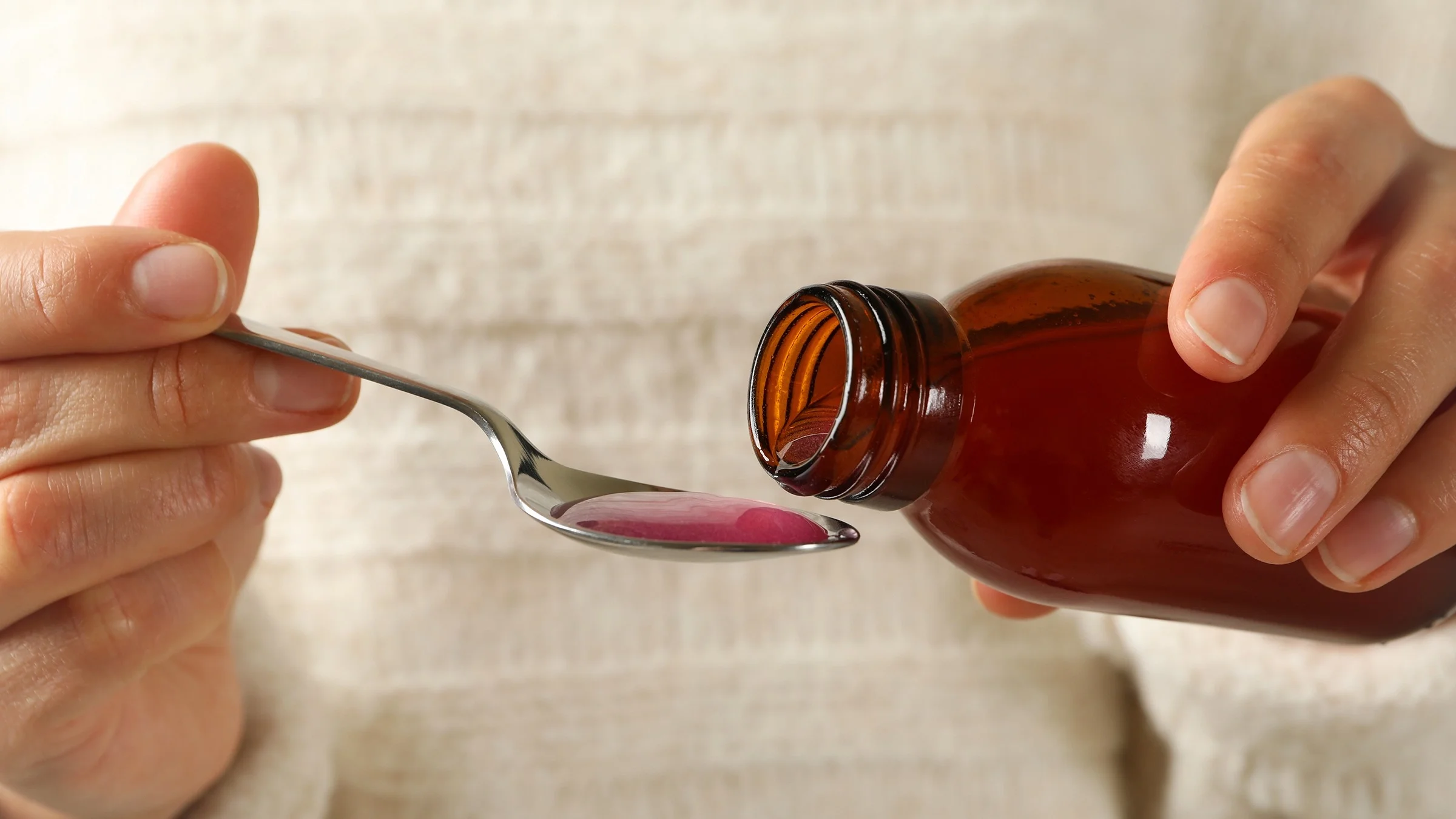
Magic mouthwash is a medicated mouth-rinse mixture. It’s usually made from a combination of different liquid medications, such as antihistamines, antacids, and numbing medications.
Although some of these ingredients are available over the counter (OTC), your prescriber will typically write you a prescription for magic mouthwash. Your pharmacist will be able to make it for you by mixing the medications together (this is called compounding). Depending on the ingredients, you may be able to have it made at your local retail pharmacy.
What are the ingredients in magic mouthwash?
There isn’t a standard set of ingredients or recipe for magic mouthwash. It's often compounded to meet your individual needs. Healthcare professionals combine medications with different potential benefits to help provide relief.
Some common medications found in magic mouthwash recipe include:
Diphenhydramine: An antihistamine, liquid diphenhydramine (Benadryl) is used to lessen swelling.
Antacids: These help the other medications coat your sores to provide relief. An example of an antacid is aluminum hydroxide / magnesium hydroxide / simethicone (Mylanta).
Viscous lidocaine: A local anesthetic, it’s used to numb the nerves inside your mouth and make them less sensitive to pain.
Nystatin: An antifungal medication, it’s sometimes added to prevent or stop fungal growth inside your mouth. It’s more commonly used if your sores are caused by oral thrush, a fungal infection.
Other magic mouthwash ingredients may include corticosteroids (e.g., hydrocortisone) for swelling and antibiotics (e.g., tetracycline). One added bonus is that tetracycline may also help to prevent the breakdown of the lining of your mouth in addition to fighting infections.
Magic mouthwash uses
Magic mouthwash can be used to provide pain relief and to minimize infections in certain conditions associated with mouth and throat sores. Below are a few examples.
Oral mucositis
Mouth sores (known as oral mucositis) are one of the more common side effects of cancer treatments.
Radiation causes mouth sores by directly damaging tissues in the mouth, which commonly affects people who receive head and neck radiation. And chemotherapy causes sores because it damages fast-growing healthy cells, like those in your mouth, as an unintentional consequence of killing rapidly-spreading cancer cells.
In these cases, your oncology care team might recommend magic mouthwash to ease pain and discomfort from cancer treatments.
Oral thrush
Oral thrush is a fungal infection caused by an overgrowth of Candida albicans in the mouth. It’s more likely to affect people who have a weakened immune system. Examples include people who have cancer or who are taking certain medications that dampen the immune system, such as corticosteroids.
People who have oral thrush might experience symptoms such as pain or a burning sensation in the mouth. Magic mouthwash containing nystatin is sometimes prescribed to help with oral thrush.
Canker sores
Canker sores (known as aphthous ulcers) are painful sores that form inside the mouth, including on the inside of your cheeks or on your tongue. Canker sores can be triggered by a range of different factors, including poor nutrition and stress. Your prescriber might prescribe magic mouthwash to relieve pain from canker sores.
How do you use magic mouthwash?
There also isn’t a standard set of directions for how to use magic mouthwash. That’s why it’s important to follow the instructions your prescriber gives you. An example of instructions for magic mouthwash might read as follows: “Shake well before using. Swish, gargle, and spit 1 to 2 teaspoons every 4 to 6 hours, as needed for pain.”
If your sores are in your throat, your prescriber might ask you to swallow magic mouthwash. But you should only swallow this medication if you’re instructed to do so. Swallowing too much medication can put you at risk for certain side effects, such as sleepiness, nausea, and upset stomach. Side effects of magic mouthwash may vary depending on which medications are used in your mixture.
After using this prescription mouthwash, it may be recommended that you wait 30 minutes before you eat or drink. Eating or drinking too soon might wash away the medication and not give it the chance to work.
Can you make your own magic mouthwash at home?
Unless instructed by your prescriber, you shouldn’t make your own magic mouthwash at home. Magic mouthwash is a prescription medication. While some of the ingredients are available OTC, others may require a prescription. A pharmacist will mix the medication according to directions on your prescription.
Let your prescriber know if you’re having a hard time finding a pharmacy that can make your magic mouthwash or if it’s too expensive. They can discuss other options with you. In some cases, they may have you make an OTC version, called “magic mouthwash lite.” It’s a version of the mouth rinse that only includes the OTC ingredients, such as diphenhydramine and antacids.
It’s possible to buy the ingredients for “magic mouthwash lite” at your local pharmacy and make your own rinse at home. But only do so if your prescriber gives you specific instructions on how to make and take the mouthwash. OTC medications can cause serious side effects if not used according to their directions.
Does magic mouthwash really work?
Is magic mouthwash really a “miracle” mouthwash? It’s hard to say for sure. There’s not much research looking into how well magic mouthwash works. One reason why is that there’s no standard magic mouthwash formula. This can make it more difficult to study its effectiveness.
Existing research on magic mouthwash mainly focuses on its use in cancer treatments. And the results are conflicting. It’s possible that magic mouthwash might not be any more effective than other types of rinses used to treat sores.
For example, one study compared the effectiveness of three types of mouth rinses for treating mucositis. It reviewed magic mouthwash, chlorhexidine (Peridex) rinse, and a salt and baking soda rinse. This particular magic mouthwash contained lidocaine, diphenhydramine, and an antacid.
Results showed that over 70% of people experienced complete relief within 12 days of treatment. Of the three rinses, no treatment was shown to work more quickly than another. But of these options, the salt and baking soda rinse was the most affordable.
Currently, magic mouthwash isn’t part of the official treatment guidelines for mucositis from cancer treatments.
There’s even less research on the effectiveness of magic mouthwash for other conditions, such as thrush and canker sores. Magic mouthwash also isn’t currently recommended for either of these conditions. But the guidelines do list individual ingredients that are sometimes added to make magic mouthwash.
For example, recommendations for canker sores suggest rinsing with a tetracycline or a corticosteroid liquid suspension, and the guidelines for oral thrush recommend rinsing with a nystatin suspension.
Are there any alternatives to magic mouthwash?
There are alternative ways to ease pain from mouth and throat sores other than using magic mouthwash. But treatment can vary depending on what’s causing your sores.
For example, current recommendations for oral mucositis usually depend on the type of cancer treatment you’re receiving. Sucking on ice chips is recommended for people who receive short infusions of a chemotherapy called 5-fluorouracil. The ice chips narrow the blood vessels in your mouth, which can limit the amount of chemotherapy medication that flows to the area. This can lessen mouth damage from chemotherapy and lower the pain from mucositis.
Some experts suggest a baking soda and salt mouth rinse to prevent bacteria build up and to bring comfort for oral mucositis. This mouth rinse can also bring pain relief from canker sores.
Your prescriber can give you recommendations for treatment options to help bring you relief and prevent other issues, such as infection.
The bottom line
Magic mouthwash is a mouth-rinse mixture. It’s sometimes used to ease pain from mouth and throat sores. But there isn’t a standard recipe or directions for magic mouthwash. Instead, the ingredients and instructions can be tailored to your individual needs.
Some people can experience pain relief from magic mouthwash. But it might not work any better than other mouth rinses or treatments. Depending on the ingredients, it can also be expensive because it contains several medications and your insurance may not cover the compounded mouthwash. There might be cheaper alternatives that you can try first.
If you’re experiencing pain from mouth and throat sores, ask your healthcare team if magic mouthwash is a possible option for you.

Why trust our experts?




References
Al-Rudayni, A. H. M., et al. (2020). Impact of oral mucositis on quality of life in patients undergoing oncological treatment: A systematic review. Translational Cancer Research.
American Academy of Oral Medicine. (2015). Oral mucositis.
American Cancer Society. (2024). Mouth sores and pain.
Chan, A., et al. (2005). Survey of topical oral solutions for the treatment of chemo-induced oral mucositis. Journal of Oncology Pharmacy Practice.
Dodd, M. J., et al. (2000). Randomized clinical trial of the effectiveness of 3 commonly used mouthwashes to treat chemotherapy-induced mucositis. Oral Surgery, Oral Medicine, Oral Pathology, and Oral Radiology.
Elad, S., et al. (2020). MASCC/ISOO clinical practice guidelines for the management of mucositis secondary to cancer therapy. Cancer.
Idayu Mat Nawi, R., et al. (2018). Oral cryotherapy: Prevention of oral mucositis and pain among patients with colorectal cancer undergoing chemotherapy. Clinical Journal of Oncology Nursing.
Institute for Quality and Efficiency in Health Care (IQWiG). (2022). Overview: Oral thrush. InformedHealth.org.
Iovoli, A. J., et al. (2023). Severe oral mucositis after intensity-modulated radiation therapy for head and neck cancer. JAMA Network Open.
Kravitz, N. D., et al. (2020). Magic mouthwash demystified. Journal of Clinical Orthodontics.
McBride, D. R. (2000). Management of aphthous ulcers. American Family Physician.
McGuire, D. B., et al. (2013). Systematic review of basic oral care for the management of oral mucositis in cancer patients. Supportive Care in Cancer.
MedlinePlus. (2023). Canker sore.
MedlinePlus. (2023). Mouth sores.
Pappas, P. G., et al. (2015). Clinical practice guideline for the management of candidiasis: 2016 update by the Infectious Diseases Society of America. Clinical Infectious Diseases.
Shankar, A., et al. (2017). Current trends in management of oral mucositis in cancer treatment. Asian Pacific Journal of Cancer Prevention.