You may have heard that cigarette smoke contains somewhere around 70 different carcinogens. From context alone, you probably know that carcinogens are “bad,” but what are they? And more importantly, how do carcinogens affect health?
Carcinogens are substances that can cause cancer. In fact, the word comes from the Greek work karkinos, meaning “crab.” That’s because the swollen veins that formed around tumors often resembled crab legs. (That explains why the symbol for the astrological sign Cancer is a crab.)
How Carcinogens Affect Health
Researchers categorize carcinogens based on the amount of evidence they have. Substances may be “known to be human carcinogens” if there's ample evidence to back it up. If not, they may be “reasonably anticipated to be human carcinogens.” In order to be a known carcinogen, researchers have to prove causation, not just correlation.
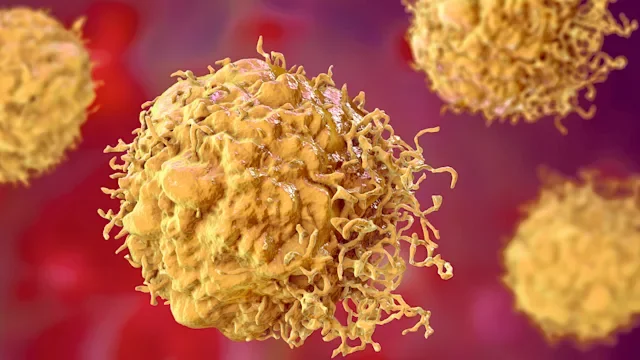
Here’s how it works: Exposure to a carcinogen can mutate and damage your DNA. When this occurs, those mutated genes may grow out of control and form tumors.
One exposure to a carcinogen doesn’t guarantee you’ll get cancer. In general, the more exposure you have, the higher the risk. For example, people who have smoked for many years have a higher risk of lung cancer than someone who has just smoked a single cigarette. Similarly, farmers who spend a lot of time outside without sunscreen have a higher risk of skin cancer than someone who works in an office in a cold climate.
Examples of Carcinogens
Some of the most infamous carcinogens include UV radiation, coal tar, formaldehyde, radon, crystalline silica, asbestos, benzene, tobacco smoke, and wood dust.
You have some amount of control over your exposure to some carcinogens. For example, you can limit or avoid your consumption of alcohol, a known carcinogen in large amounts. You can avoid cigarettes and other tobacco products, and you can avoid tanning in sunbeds.
On the other hand, you have less control over some other carcinogens. For example, environmental hazards like asbestos and radon may be out of your hands. For this reason, there are strict standards to limit their levels and remove them safely from buildings.
Additionally, the National Toxicology Program now classifies infections from several viruses as carcinogens, according to the 14th Report on Carcinogens from 2016. Viral infections that increase the risk of certain cancers include the Epstein-Barr virus (which causes “mono”), hepatitis B and C, human immunodeficiency virus (HIV) type 1, and human papillomavirus (HPV). Researchers have developed vaccines against some of these viruses (like the HPV vaccine) because of their carcinogenic risk.
The threat of cancer may be scary, but the good news is that healthy lifestyle choices can reduce your overall risk of cancer. Limiting alcohol, wearing sunscreen, and avoiding tobacco are major steps toward lowering your cancer risk. Learn more about lifestyle changes to reduce your cancer risk here.
References

Why trust our experts?