Key takeaways:
The symptoms of breast cancer aren’t always noticeable, especially in the earlier stages.
When symptoms do occur, they most often start with changes in the look or feel of your breast, commonly in the form of a lump.
It can be hard to detect breast cancer by symptoms alone. So regular screening with mammograms is the best way to screen for the disease.
Breast cancer is treatable, and early detection translates into higher cure rates. Screening mammograms are the best way to detect breast cancer in its earliest stages. However, it’s also important to be mindful of your breast health. This way, if changes or symptoms develop, you can take the right steps to get them checked out.
Can you have breast cancer and not have symptoms?
Yes, it’s possible to have breast cancer without symptoms. Many people don’t have symptoms in the early phase of breast cancer. This is true for both women and men, who can have breast cancer, though it’s rare in men.
Breast cancer starts with a small number of cancerous cells, and it grows by producing more cells through repeated cell divisions. It takes many rounds of cell divisions to reach a detectable size, which is called a tumor. The time it takes to become a detectable tumor varies based upon the type of breast cancer.
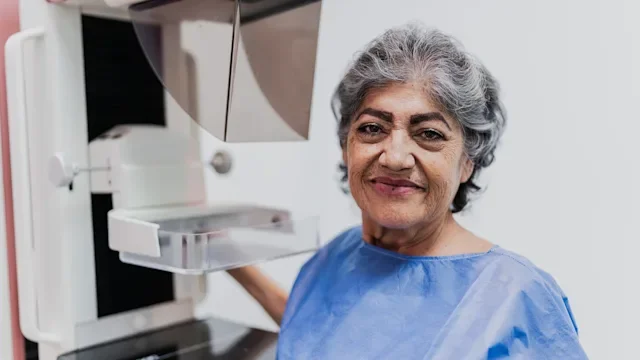
The good news is that breast imaging, like a mammogram, can often find tumors that are small. Mammograms can detect cancers up to 3 years before they can be felt in a self-exam. So, the best way to screen for breast cancer is with an imaging study.
What are the symptoms of breast cancer?
Symptoms of breast cancer may vary from person to person. The most common occurrence is noticing a bump or lump in one breast. Below are possible signs and symptoms of breast cancer.
Early signs and symptoms
Breast cancer doesn’t always have noticeable symptoms, but you may see or feel certain changes. Signs you can see include:
A change in the size or shape of the breast
A dimpling or puckering in the skin of the breast
A pitting in the skin or a change in texture, resembling an orange peel
Color change in the skin, like a red- or purple-colored rash
An area of swelling
Discharge or bleeding from the nipple
Crusting, scaling, itching, or redness (in lighter skin tones) around the nipple
A nipple that appears to be turning inward
In addition, what you might feel includes:
A thickening, knot, lump, or nodule in your breast
Enlarged or swollen glands in your armpits or around your collarbone
Swelling, warmth, or heaviness in the breast
Pain in the breast or nipple
There are many possible causes of the symptoms listed above, like a benign cyst or an infection. So symptoms don’t always mean cancer. But it’s always best to see a healthcare professional to help you figure out the cause of your symptoms.
Late-stage and metastatic breast cancer symptoms
In the more advanced stages of breast cancer, cancer cells can spread or metastasize to other areas of the body. The most common organs affected by breast cancer metastasis are your bones, lungs, brain, and liver. Cancer in these parts of the body can cause the following symptoms:
Bones: pain, which is often worse at night, or bones that break very easily
Lungs: shortness of breath, a cough that doesn’t go away, or chest pain, especially when taking a deep breath
Brain: headache, seizures, blind spots or loss of vision, confusion or changes in behavior, and stroke-like symptoms, such as facial droop, difficulty speaking, weakness, or numbness in one half of the body
Liver: a yellow appearance of the skin or eyes (also called jaundice), abdominal pain or fullness, nausea, and vomiting
Metastatic tumors don’t always cause specific symptoms, like pain or headaches. Some people simply have a general feeling of being unwell. This can include severe fatigue, loss of appetite, and weight loss, among other symptoms.
Of course, there are many possible reasons someone might experience these feelings, with or without cancer. As with all the other symptoms discussed here, the first step is to discuss your questions and concerns with your healthcare team.
When to see a doctor about your breast cancer symptoms
It’s very important to be familiar with your body, including your breasts. It’s common for breast tissue to change in your monthly cycle, so it helps to know your body well. This way you’ll be more likely to notice when something doesn’t seem normal.
You may just be glancing at your body in the mirror and notice an irregularity in your breast. Or you may be showering and feel something like a lump or area of thicker tissue. Regular breast self-exams can also help you spot a change. If you notice something that looks or feels abnormal, don’t be afraid or embarrassed to get it checked by a healthcare professional.
Frequently asked questions
When breast cancer spreads beyond the breast, it typically first travels to nearby lymph nodes or glands. These are located in the armpits, chest, and around the collarbone.
As mentioned above, breast cancer can also spread to any other organ. The most commonly affected ones are the liver, brain, bones, and lungs.
There are many types of cancer, and they show up in different ways. There’s no comprehensive list of cancer warning signs. But there are some common signs and symptoms that are often seen with cancer. They include:
Extreme fatigue
Weight loss without trying
Loss of appetite
Growing lumps or bumps
Pain that doesn’t go away
Abnormal bleeding
When breast cancer spreads beyond the breast, it typically first travels to nearby lymph nodes or glands. These are located in the armpits, chest, and around the collarbone.
As mentioned above, breast cancer can also spread to any other organ. The most commonly affected ones are the liver, brain, bones, and lungs.
There are many types of cancer, and they show up in different ways. There’s no comprehensive list of cancer warning signs. But there are some common signs and symptoms that are often seen with cancer. They include:
Extreme fatigue
Weight loss without trying
Loss of appetite
Growing lumps or bumps
Pain that doesn’t go away
Abnormal bleeding
The bottom line
Breast cancer is one of the more common types of cancer in the U.S., but it isn’t typically discovered based on symptoms alone. This is because it rarely causes symptoms in its early stages, which is why routine mammograms are important.
If you notice a change in your breasts, speak with a healthcare professional. They can help determine if it may be due to another cause. And they can order the right testing to take a closer look, if needed.

Why trust our experts?




References
American Cancer Society. (2023). Lymph nodes and cancer.
Centers for Disease Control and Prevention. (2024). About mammograms.
National Cancer Institute. (2025). Metastatic cancer: When cancer spreads.