Key takeaways:
Probiotics contain live microorganisms, like Lactobacillus, which can help keep the balance between “good” and “bad” bacteria in your vagina.
Probiotics can be used with antibiotics to treat bacterial vaginosis (BV). Probiotics alone won’t cure BV.
Taking probiotics regularly may help prevent further episodes of BV.
Bacterial vaginosis (BV) is a very common vaginal infection. It happens when there’s a change in the balance of your vaginal flora. In other words, there’s a mismatch of “good” bacteria and “bad” bacteria in your vagina. When there are fewer good bacteria, bad bacteria have room to flourish. This can cause BV symptoms like vaginal discharge with a fishy odor, irritation, and itchiness. Things like hormone changes, sex, and douching can shift the balance of bacteria and increase your chances of developing BV.
Antibiotics can treat BV. But even after treatment, up to 70% of people may have another episode of BV within 12 months.
If you’re one of the many people dealing with recurrent BV, you might wonder if there’s anything you can do to stop it from coming back. It turns out that probiotics can help treat BV and may also lower your risk of future infections.
Here’s what to know about probiotics for bacterial vaginosis and how to use them effectively to prevent future BV episodes.
How do probiotics help with bacterial vaginosis (BV)?
Probiotics help with BV by rebalancing vaginal flora in favor of the good bacteria. Many probiotics contain Lactobacillus, a type of bacteria that normally lives in the vagina. When you take the probiotics, some of the live bacteria in probiotics arrive in your vagina and help reestablish normal Lactobacillus levels. This leaves less room for bad bacteria to grow.
Lactobacillus also binds to the vaginal wall and prevents bad bacteria from growing by secreting lactic acid. Having the right amount of Lactobacillus in your vagina keeps bad bacteria from growing and causing BV.
Lactobacillus may also give a boost to your local immune system so it’s better able to fight off bad bacteria.
Best probiotics for bacterial vaginosis (BV)
Probiotics that contain Lactobacillus species are the best options for preventing future episodes of BV. They can also help ease BV symptoms while you’re taking antibiotics.
There are many types of Lactobacilli species that normally live in your vagina. Look for these species in probiotics.
Lactobacillus acidophilus
Lactobacillus acidophilus (L. acidophilus) is the most studied Lactobacilli species. You can buy oral probiotic supplements that contain L. acidophilus. But you can also try eating more foods that naturally contain this probiotic. Foods that naturally have L. acidophilus include fermented foods like sauerkraut, tempeh, and miso. It’s also added to some yogurts and cheeses.
Lactobacillus rhamnosus
Lactobacillus rhamnosus can maintain vaginal health and prevent symptoms of bacterial vaginosis. It’s available as an oral supplement and as a vaginal suppository. It also occurs naturally in some fermented foods and yogurts.
Lactobacillus reuteri
Lactobacillus reuteri (L. reuteri) is another strain of bacteria that’s found in probiotics. Probiotics containing L. reuteri have been shown to help relieve the presence of pathogenic (bad) bacteria in the vagina. It naturally occurs in some foods like meat and dairy products, including kefir.
Lactobacillus fermentum
Lactobacillus fermentum is a bacteria that commonly lives in the human mouth, gut, and vagina. Studies have shown that taking probiotics with this bacteria, either orally or as a vaginal suppository, can help ease the symptoms of bacterial vaginosis.
How to take probiotics for bacterial vaginosis (BV)
Probiotics that have Lactobacillus come in pills and vaginal suppositories. You can take either form along with your antibiotics to treat BV. You can also use them to help prevent future episodes of BV. In studies, treatment with both antibiotics and probiotics containing Lactobacillus lowered the risk of recurrent BV.
It isn’t clear if there’s a “best” dose of probiotics to help with BV. One study found that probiotics containing 10 billion (10 x 109) colony-forming units (CFUs) of Lactobacillus rhamnosus provided the best defense against BV. Another study also found that higher concentrations of probiotics seemed to work better than lower ones.
It also isn’t clear how long you need to take probiotics to lower your risk of future episodes of BV. One study showed that taking probiotics daily for 3 months was more effective than taking them for less than 1 month. So, it’s probably best to keep taking them for at least 3 months before taking a break.
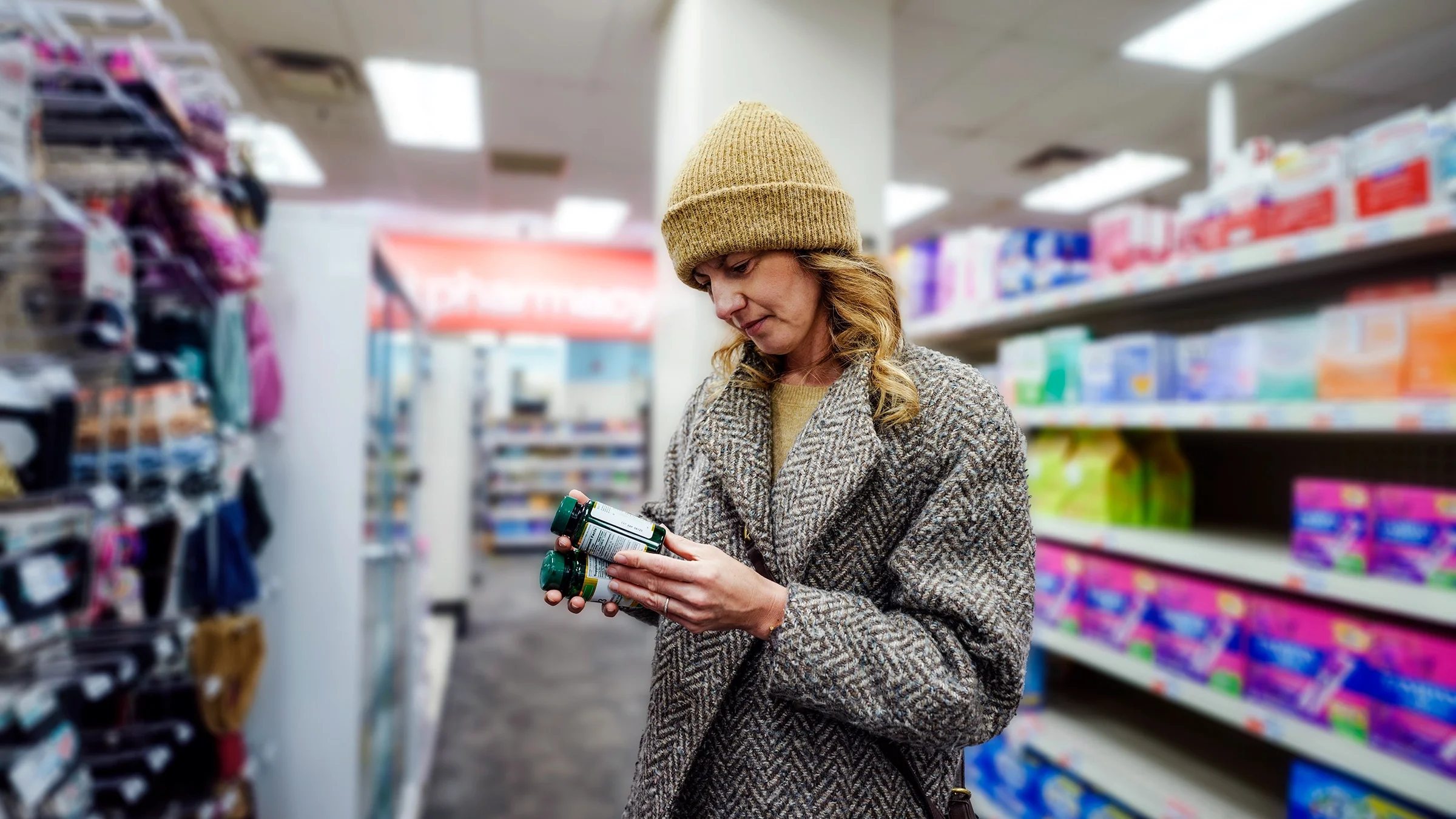
Depending on how a probiotic product is intended to be used, the FDA may regulate it as a dietary supplement, a food ingredient, or a medication. Most probiotics are treated as dietary supplements, which means they aren’t regulated like medications. That makes it important to pick a trustworthy brand. Look for brands tested by United States Pharmacopeia (USP), National Science Foundation (NSF), or Consumer Labs.
What are the side effects of probiotics?
Most people don’t have any side effects when they take probiotics. The most common side effects are gas and bloating. These symptoms are usually mild and go away as your body adjusts to the probiotic.
Probiotics are safe for most people. But you should talk with your healthcare team before starting probiotics if you have:
A premature infant at home
A history of a serious or critical illness, at any age
A weakened immune system
Short bowel syndrome
Probiotics aren’t always safe in these situations. Your healthcare team can help you decide if they’re safe for you.
When should you get care for bacterial vaginosis (BV)?
Some cases of BV can go away on their own without any treatment. But you should seek care from your primary care provider or you OB-GYN if you have:
Fever
Severe vaginal itching
Vaginal or stomach pain
Foul-smelling discharge
Pain or burning when peeing
You should also seek care if your symptoms don’t get better within a week or if they get worse at any point.
Quiz: Bacterial Vaginosis (BV) or Yeast Infection
Frequently asked questions
Both males and females can carry the bacteria that causes BV and pass it to each other during sex. There’s some evidence that suggests people are less likely to get BV again if their partners are also treated with antibiotics.
Other factors affect BV risk too. Semen can change the acidity in your vagina, which can make it easier for bad bacteria to grow. There’s some evidence that using condoms may lower the risk of BV because they protect your vagina from bacteria and semen.
There’s no evidence that probiotics cause bacterial vaginosis. Probiotics can help prevent future episodes of BV by helping good bacteria flourish and stopping bad bacteria from growing.
Probiotics don’t work right away for BV and generally take longer to work than antibiotics. One review found that people taking vaginal probiotics saw improvement in 6 to 12 days. Those who took oral probiotics saw effects in almost 2 months. It’s best to take probiotics along with antibiotics when treating BV.
Both males and females can carry the bacteria that causes BV and pass it to each other during sex. There’s some evidence that suggests people are less likely to get BV again if their partners are also treated with antibiotics.
Other factors affect BV risk too. Semen can change the acidity in your vagina, which can make it easier for bad bacteria to grow. There’s some evidence that using condoms may lower the risk of BV because they protect your vagina from bacteria and semen.
There’s no evidence that probiotics cause bacterial vaginosis. Probiotics can help prevent future episodes of BV by helping good bacteria flourish and stopping bad bacteria from growing.
Probiotics don’t work right away for BV and generally take longer to work than antibiotics. One review found that people taking vaginal probiotics saw improvement in 6 to 12 days. Those who took oral probiotics saw effects in almost 2 months. It’s best to take probiotics along with antibiotics when treating BV.
The bottom line
Bacterial vaginosis (BV) is a common vaginal infection that usually needs antibiotic treatment. Probiotics containing Lactobacillus can help ease symptoms of BV when taken with antibiotics. They can also help prevent future episodes of BV by keeping the balance between good and bad bacteria in your vagina.

Why trust our experts?



References
Al-Ghazzewi, F. H., et al. (2015). Biotherapeutic agents and vaginal health. Journal of Applied Microbiology.
Ansari, A., et al. (2023). Lactobacillus probiotics improve vaginal dysbiosis in asymptomatic women. Nutrients.
Bodean, O., et al. (2013). Probiotics - a helpful additional therapy for bacterial vaginosis. Journal of Medicine and Life.
Bradshaw, C. S., et al. (2006). High recurrence rates of bacterial vaginosis over the course of 12 months after oral metronidazole therapy and factors associated with recurrence. The Journal of Infectious Diseases.
Chen, R., et al. (2022). Probiotics are a good choice for the treatment of bacterial vaginosis: A meta-analysis of randomized controlled trial. Reproductive Health.
Coudeyras, S., et al. (2008). Adhesion of human probiotic Lactobacillus rhamnosus to cervical and vaginal cells and interaction with vaginosis - associated pathogens. Infectious Diseases in Obstetrics and Gynecology.
Doron, S., et al. (2015). Risk and safety of probiotics. Clinical Infectious Diseases.
Falagas, M. E., et al. (2007). Probiotics for the treatment of women with bacterial vaginosis. Clinical Microbiology and Infection.
Ilomuanya, M. O., et al. (2022). Formulation and optimization of metronidazole and Lactobacillus spp. Layered suppositories via a three-variable, five-level central composite design for the management of bacterial vaginosis. Pharmaceutics.
Khedkar, R., et al. (2022). Bacterial vaginosis: A comprehensive narrative on the etiology, clinical features, and management approach. Cureus.
Liu, H., et al. (2022). A systematic review and meta-analysis on the efficacy of probiotics for bacterial vaginosis. European Review for Medical and Pharmacological Sciences.
Ma, S., et al. (2023). Antibiotics therapy combined with probiotics administered intravaginally for the treatment of bacterial vaginosis: A systematic review and meta-analysis. Open Medicine.
Mei, Z, et al. (2022). The role of probiotics in vaginal health. Frontiers in Cellular and Infection Microbiology.
National Center for Complementary and Integrative Health. (2019). Probiotics: Usefulness and safety. National Institutes of Health.
Pendharkar, S., et al. (2023). Lactobacilli and their probiotic effects in the vagina of reproductive age women. Microorganisms.
Turner, A. N., et al. (2016). Recent biomarker-confirmed unprotected vaginal sex, but not self-reported unprotected sex, is associated with recurrent bacterial vaginosis. Sexually Transmitted Diseases.
Udjianto, U., et al. (2025). Effective probiotic regimens for bacterial vaginosis treatment and recurrence prevention: A systematic review. Narra J.
Vodstrcil, L. A., et al. (2025). Male-partner treatment to prevent recurrence of bacterial vaginosis. The New England Journal of Medicine.
Widyastuti, Y., et al. (2021). Health-promoting properties of Lactobacilli in fermented dairy products. Frontiers in Microbiology.