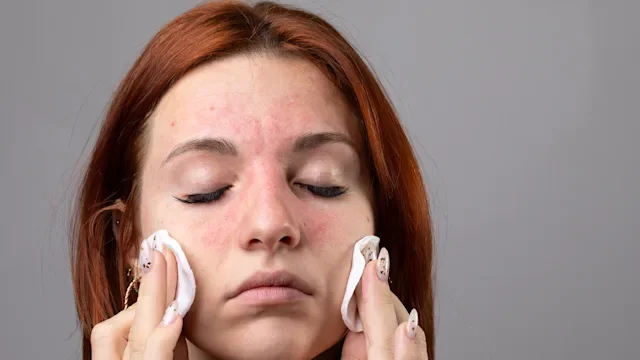
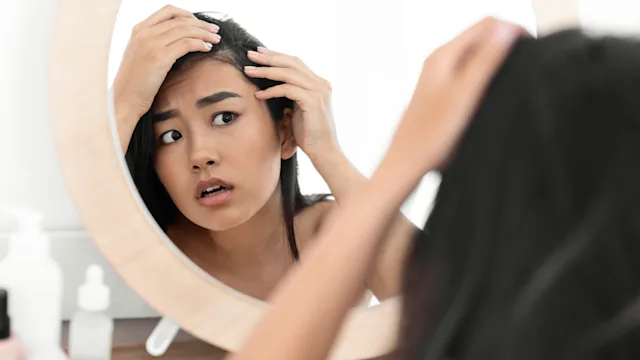
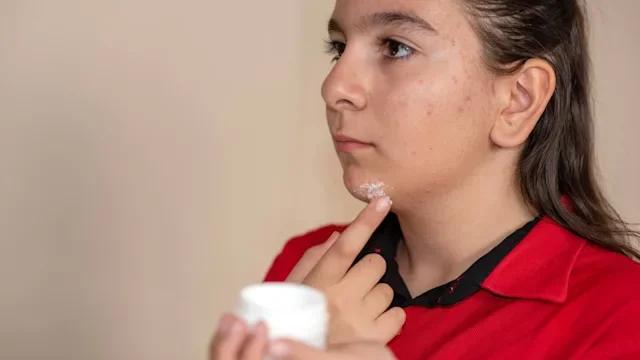
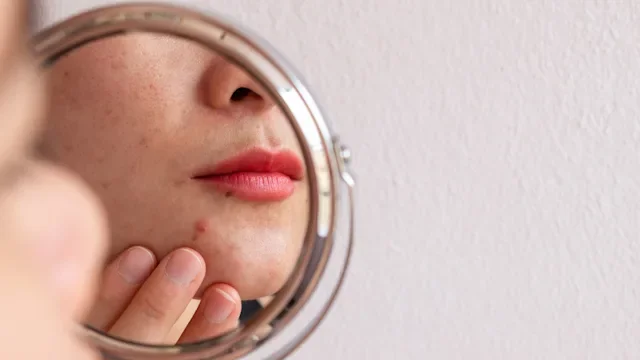
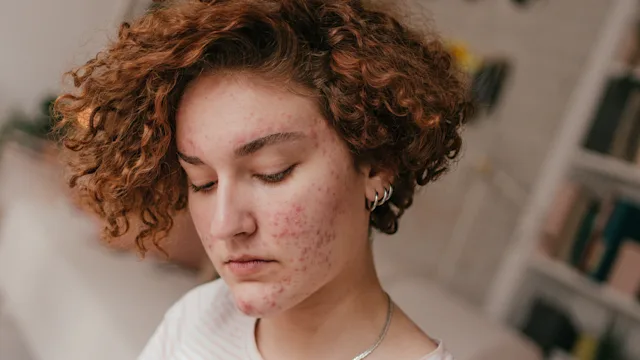
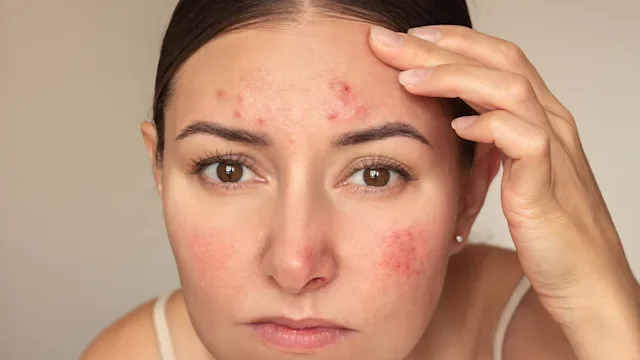
If you have acne, you’re not alone. This common condition affects millions of people. Acne happens when dead skin cells and excess oil block pores. The pimples that form can be embarrassing and hard for anyone to deal with.
Have you ever wondered whether your diet may be to blame? Or have you heard people blaming chocolate or dairy?
The relationship between diet and acne is complicated, and it has generated a lot of debate. Growing evidence suggests that food may play a role in the development of acne. Different foods can cause different reactions in the body, like a change in hormones or increased inflammation. So it’s not a surprise that certain foods may be contributing to your acne.
Search and compare options
Diet alone may not be able to treat or prevent acne, but it may influence the likelihood of acne developing as well as how severe it gets. Let's dive in and take a look at what the science says.
The diet-acne link
Growing evidence suggests that diet may play a role in the development of acne. The foods that have been most studied for their possible role in acne development include dairy, chocolate, and sugar (or a high-glycemic diet).
Other nutrients such as omega-3 fatty acids and probiotics have been more recently studied for the protective role they may have in treating or preventing acne.
Do dairy foods cause or worsen acne?
Dairy is one of the foods most commonly linked to acne. Some studies have shown a connection, but others haven’t been as conclusive.
One of the largest studies combined the results of several different studies (a meta-analysis) and it looked at nearly 80,000 children, teenagers, and young adults. It showed:
Consuming any dairy is linked to a higher chance of developing acne.
There’s a link with all fat levels of milk, yogurt, and other dairy products.
Full-fat dairy was less likely to cause acne compared to low or nonfat dairy.
In a different meta-analysis, all types of milk were linked to acne. But, unlike the first study, eating cheese or yogurt wasn’t linked to acne.
How does dairy cause acne?
There are a few different theories as to how dairy could cause or worsen acne. Here are a few of the most popular ideas:
Dairy cows are often treated with growth hormones, and many are pregnant and pass hormones — like estrogen — into their milk supply. These hormones can throw off the body’s hormones and possibly trigger acne.
Some research suggests that the saturated fat and hormones in cow’s milk may be linked to inflammation in the body. Some people struggle to digest two other compounds in milk, lactose and casein, which may lead to inflammation. These may contribute to acne, which is an inflammatory condition in the skin.
Dairy is also linked to high insulin levels in the body, and it contributes to the hormone insulin-like growth factor (IGF), which may contribute to acne.
But keep this in mind: The connection between dairy and acne isn’t completely established and more research needs to be done on this question.
Does sugar cause acne?
Diets high in refined sugars and processed carbohydrates have been linked with worse acne. They all raise blood glucose (sugar) levels in the body. As glucose levels rise, insulin is released to help bring the glucose levels back down.
But not all carbohydrates are created equal. Some raise blood glucose higher than others. And the glycemic index measures just how much a certain food raises glucose in the body.
Foods high in refined sugars and other processed carbohydrates are called “high-glycemic foods.” The glycemic index is a marker of how much a food raises blood glucose levels.
High-glycemic foods include:
Sugar, like honey, maple syrup, and table sugar
Products made from refined white flour, such as white bread, white pasta, bagels, tortillas, and pastries
White rice
Juice
Studies show that people who consume a low-glycemic diet rich in whole grains, fruits, and vegetables are less likely to have acne. For people who do have acne, eating a low-glycemic diet may cause fewer pimples and shorter breakouts.
Low-glycemic foods include:
Whole grains, such as whole-wheat bread, whole-grain tortillas, quinoa, and brown rice
Most vegetables and fruits
Beans
Nuts and seeds
How does sugar cause acne?
There are a few possible ways high-glycemic foods may worsen acne:
High blood glucose causes inflammation throughout the body and contributes to the body making more oil in the skin. The combination of increased inflammation and oil both contribute to acne development and severity.
High insulin levels stimulate the production of androgen hormones, which can contribute to acne. People who stick to a low-glycemic diet improve their insulin sensitivity. Their androgen hormone levels improve, too.
More research is needed to better understand this relationship.
Does chocolate cause acne?
Chocolate has an unpopular reputation for being linked to acne. But there isn’t a lot of good evidence to back this up.
Many studies on the chocolate-acne link have been poorly designed and analyzed, and no recent studies have been done. A 2011 study found a significant increase in acne severity after participants consumed chocolate. But the study didn’t report the type of chocolate they consumed.
To further confuse matters, chocolate is usually mixed with sugar and dairy, which can worsen acne symptoms.
Foods that might help improve acne
Now that we’ve reviewed foods that may contribute to acne, let’s take a look at some that may improve it. If you have acne, prioritizing these foods in your diet could be a helpful addition to your acne treatment plan and improve your overall health.
Omega-3 fatty acids
Omega-3 fatty acids are a type of essential fatty acid with proven anti-inflammatory properties. A high intake of omega-3 fatty acids may have a positive effect on acne. Some studies have shown that people who eat more fish or who supplement their diet with omega-3 fatty acids have less acne.
Oily fish, plant oils, and some nuts and seeds are a good source of omega-3s. Many people choose to take supplements, too.
Probiotics
Probiotics are beneficial, living microorganisms that may have health benefits. They help to support a healthy skin microbiome. Probiotics also support your gut microbiome, which is linked to many bodily functions, from digestion to the immune system.
You can get probiotics naturally in foods such as:
Fermented yogurts
Kombucha
Kefir
Sauerkraut
Tempeh
Miso
Kimchi
Pickled vegetables
You can also use probiotics in supplement form.
There is growing evidence on the use of probiotics in treating acne, both alone and as part of a traditional acne treatment plan. This can mean taking supplements or applying them directly to the skin.
Studies show that probiotics can decrease acne severity and the number of pimples. They produce antibacterial proteins that directly inhibit the Cutibacterium acnes bacteria.
Used topically, there is evidence that probiotic creams improve the skin’s job as a barrier and its antimicrobial properties, both of which improve acne. You can get probiotic creams commercially. But since it’s still an area of evolving skin research, it’s a good idea to talk with your provider before trying one.
So, can food really cause acne?
Increasingly, research suggests that diet is involved in acne. But the science doesn’t say that certain foods actually cause acne. That’s because acne is a complex condition, and it’s likely that food plays just a small part in why people get acne.
More research is needed to explore if there is a cause-and-effect relationship between certain foods and acne. One challenge is that nutrition research is a minefield. And doing the gold standard of research studies — the randomized controlled trial — isn’t possible in nutrition research. So researchers have to use less rigorous types of studies, like observational studies, to see what effect food has on acne.
With more studies, hopefully the relationship between food and acne will become clearer. In the meantime, if you have acne and you’re concerned that your diet is somehow making things worse, keeping a food diary can help.
For example, if you notice more outbreaks when you drink milk, you can try eliminating milk for a few weeks to see if your skin improves. In general, it’s also a good idea to stick to a whole-foods diet as much as possible and limit things like sugar and processed carbohydrates.
The bottom line
There is growing evidence that certain foods can play a role in the development of acne, but more research needs to be done to see exactly what the relationship is. High-sugar or high-glycemic diets seem to be most closely associated with worse acne and breakouts.
For some people, milk and dairy products may also play a role, and it may be worth eliminating them on a trial basis to see if your acne improves. A change in diet may not cure your acne, but sticking with a healthy, whole-foods diet that is low in sugar may help improve the frequency and severity of your breakouts.

Why trust our experts?



References
Aghasi, M., et al. (2019). Dairy intake and acne development: A meta-analysis of observational studies. Clinical Nutrition.
Belluz, J. (2016). I asked 8 researchers why the science of nutrition is so messy. Here’s what they said. Vox.
Block, S. G., et al. (2011). Exacerbation of facial acne vulgaris after consuming pure chocolate. Journal of the American Academy of Dermatology.
Bordoni, A., et al. (2017). Dairy products and inflammation: A review of the clinical evidence. Critical Reviews in Food Science and Nutrition.
Calder, P. C. (2017). Omega-3 fatty acids and inflammatory processes: From molecules to man. Biochemical Society Transactions.
Habeebuddin, M., et al. (2022). Topical probiotics: More than skin deep. ISRN Pharmaceutics.
Juhl, C. R., et al. (2018). Dairy intake and acne vulgaris: A systematic review and meta-analysis of 78,529 children, adolescents, and young adults. Nutrients.
Katta, R., et al. (2014). Diet and dermatology. The Journal of Clinical and Aesthetic Dermatology.
Kober, M-M., et al. (2015). The effect of probiotics on immune regulation, acne, and photoaging. International Journal of Women’sDermatology.
Kucharska, A., et al. (2016). Significance of diet in treated and untreated acne vulgaris. Advances in Dermatology and Allergology.
Maruyama, K., et al. (2010). Exposure to exogenous estrogen through intake of commercial milk produced from pregnant cows. Pediatrics International.
Nilsson, M., et al. (2004). Glycemia and insulinemia in healthy subjects after lactose-equivalent meals of milk and other food proteins: The role of plasma amino acids and incretins. American Journal of Clinical Nutrition.
Pappas, A. (2009). The relationship of diet and acne. Dermato-endocrinology.
Salem, I., et al. (2018). The gut microbiome as a major regulator of the gut-skin axis. Frontiers in Microbiology.
Sanchez-Pellicer, P., et al. (2022). Acne, microbiome, and probiotics: The gut-skin axis. Microorganisms.
Smith, R. N., et al. (2007). A low-glycemic-load diet improves symptoms in acne vulgaris patients: A randomized controlled trial. American Journal of Clinical Nutrition.
Smith, R. N., et al. (2007). The effect of a high-protein, low glycemic-load diet versus a conventional, high glycemic-load diet on biochemical parameters associated with acne vulgaris: A randomized, investigator-masked, controlled trial. Journal of the American Academy of Dermatology.
Sun, Q., et al. (2014). New insights into insulin: The anti-inflammatory effect and its clinical relevance. World Journal of Diabetes.