Key takeaways:
Nitazenes are a group of extremely dangerous opioids. These highly potent, illegal substances have been found in street drugs. They have no approved medical uses in the U.S.
Nitazenes may be added to street drugs without you knowing, which can cause opioid overdose and death. This is why you should only take medications prescribed to you by your healthcare provider and obtained through a trusted pharmacy.
Naloxone (Narcan) can be used to treat opioid overdoses involving nitazenes. But multiple doses may be needed, and Narcan use should be immediately followed by emergency care.
A highly potent group of synthetic opioids has been found in street drugs over the past few years. This class of opioids, called nitazenes, can cause opioid overdose and death. But what do we know about these substances, and why are they so dangerous?
What are nitazenes?
Nitazenes are a group of synthetic opioids. Synthetic opioids are made in a lab and don’t naturally occur in the environment. Examples of nitazines include:
Metonitazene
Etonitazene
Butonitazene
Isotonitazene
Clonitazene
Nitazenes are Schedule I controlled substances. This means they have no currently accepted medical use in the United States. Nitazenes were first made in the 1950s by a Swiss company that was working to develop an alternative to the opioid morphine. But they were never brought to market because of their risks.
Schedule I substances aren’t available even with a prescription, because they have an extremely high potential to cause dependence and addiction. Other Schedule I substances include heroin and lysergic acid diethylamide (LSD).
Nitazenes, nicknamed “Frankenstein opioids,” were first found in street drugs in 2019. They’ve been in the news recently because of their potential to cause deadly opioid overdoses.
What nitazenes have caused overdoses?
Isotonitazene, commonly known as just “nitazene,” was the most common cause of nitazene-related deaths in 2020. In 2021, however, nitazene-related deaths were most frequently caused by metonitazene. Isotonitazene is significantly more powerful than fentanyl, a synthetic opioid that is one of the main causes of overdose deaths in the U.S. Metonitazene has a similar potency to fentanyl.
Why are nitazenes so dangerous?
Nitazenes are extremely potent and have a very high risk of causing an opioid overdose. Opioid overdoses can cause you to lose consciousness and stop breathing. They can lead to death if not treated.
Synthetic opioids such as nitazenes are largely responsible for deaths from opioid overdoses. More than 80% of opioid-related overdose deaths in 2020 involved a synthetic opioid.

Read more like this
Explore these related articles, suggested for readers like you.


Someone purchasing street drugs may buy nitazenes unknowingly, thinking they’re getting something else. Synthetic opioids are often mixed with other substances, so you can never know for sure what you’re taking when you buy street drugs. That’s why it's extremely important to only take medications prescribed by a healthcare provider and dispensed through a pharmacy. Pills or drugs obtained elsewhere are unsafe and can contain potentially deadly substances like nitazenes.
What do nitazenes look like?
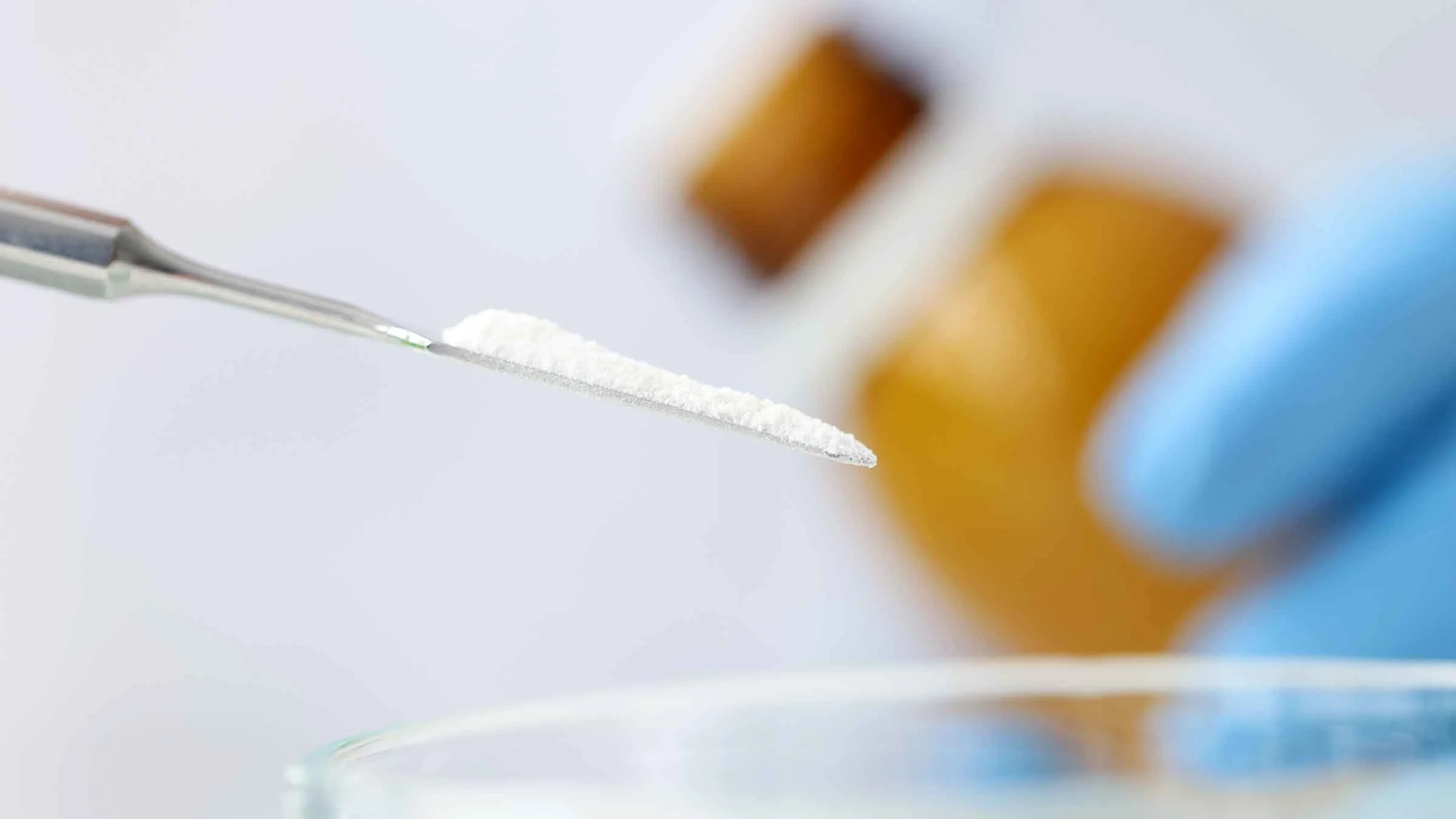
Nitazenes have been found primarily in powder form. They may be off-white, yellow, or brown in color. And they may be mixed with other drugs, including other opioids like heroin or fentanyl. Adding a nitazene makes drugs more potent and addictive, and cheaper.
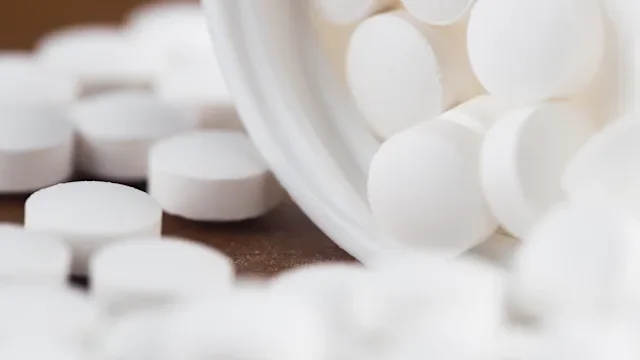
Nitazenes may also be pressed into pills and labeled as something else. For example, they may be marketed as oxycodone, which is a prescription opioid.
Can you tell if a product has nitazenes in it?
No. It won’t be obvious if a street drug contains nitazenes. And as mentioned above, these products are often purposely mislabeled as something else.
Can Narcan help treat a nitazene overdose?
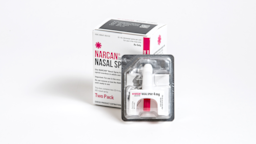
Yes. The opioid antagonist Naloxone (Narcan, Zimhi, Kloxxado), which comes in several forms but is most commonly known as Narcan, can help reverse the effects of nitazenes in an overdose situation.
Narcan can be a life-saving medication if it’s used correctly. If you think someone is having an overdose, you should administer Narcan, even if you don’t know for sure whether opioids were involved. If opioids aren't in the person’s system, Narcan won’t harm them. But if opioids are present, it could save their life.
Narcan works within a few minutes, but its effects don’t last long. Someone who has overdosed may need multiple doses of Narcan to help restore their breathing and consciousness. You can re-administer Narcan every 2 or 3 minutes if a person isn’t responding.
Because nitazenes are so potent, it’s likely that multiple doses of Narcan will be required to reverse their effects. And keep in mind that emergency medical care is still necessary after administering Narcan. So make sure to call 911 immediately after administering Narcan if you witness an overdose.
For more information on using Narcan, head to our GoodRx articles about how to administer Narcan and how to access it without a prescription or for free.
What’s being done to prevent harm from nitazenes?
The federal Drug Enforcement Agency (DEA) is sounding the alarm about nitazenes. And several individual states, including Florida, Tennessee, and Ohio, have also issued warnings about the dangers of these drugs. Making the public aware that nitazenes have been found in street drugs is important. It could make someone think twice before purchasing a drug with unknown ingredients.
Encouraging people to carry Narcan can also help prevent nitazene-related deaths. Several states and cities have programs to make Narcan more available. The more people who carry Narcan, the more likely it is to be available in the event of an opioid overdose.
If you or someone you know struggles with substance use, help is available. Call SAMHSA’s National Helpline at 1-800-662-4357 to learn about resources in your area.
The bottom line
Nitazenes are a group of illegal opioids that are highly potent and can cause overdose and death. They may be mixed into street drugs without any indication of their presence. It’s extremely important to only take medications prescribed by your healthcare provider and obtained through a pharmacy.
Narcan can be used to treat nitazene-related opioid overdoses. Administer Narcan right away if you think you’ve witnessed an opioid overdose. Multiple doses of Narcan may be needed if nitazenes are involved.
If you or someone you know struggles with substance use, help is available. Call SAMHSA’s National Helpline at 1-800-662-4357 to learn about resources in your area.

Why trust our experts?



References
Centers for Disease Control and Prevention. (2022). Drug overdose deaths.
Edwards, E. (2022). Two powerful drugs are making their way to the illicit drug supply. NBC News.
Ohio Attorney General. (2022). Warning issued for emerging synthetic opioid in Ohio.
Powell, T. B. (2022). An increase in potent “Frankenstein opioids” prompts warning from Ohio attorney general. CBS News.
Roberts, A., et al. (2022). Notes from the field: Niazene-related deaths. Morbidity and Mortality Weekly Report.
Southwell, A. (2022). Department of legal affairs emergency rule 2ER22-1. Attorney General State of Florida.
Tennessee Department of Health. (2022). Nitazene-involved deaths in Tennessee, 2020-2021.
U. S. Drug Enforcement Administration. (2018). Drug scheduling.
U. S. Drug Enforcement Administration. (2022). Benzimidazole-opioids.
U. S. Drug Enforcement Administration. (2022). New, dangerous synthetic opioid in D.C., emerging in the tri-state area.
World Health Organization. (2022). Critical review report: Protonitazene.