Key takeaways:
You shouldn’t mix Adderall (mixed amphetamine salts) and alcohol. Stimulants, such as Adderall, improve communication between brain cells. Alcohol slows down chemical signals within the brain.
Drinking alcohol with stimulants that treat attention-deficit hyperactivity disorder (ADHD) can be dangerous. These medications can raise the risk of alcohol poisoning. Alcohol can also make medication side effects, such as chest pain, more likely.
No ADHD medication is safe to take with alcohol. Speak with your prescriber about your unique risks based on your health condition.
Stimulants are some of the most frequently prescribed medications in the U.S. The most common health condition treated with stimulants is attention-deficit hyperactivity disorder (ADHD), which affects both adults and children.
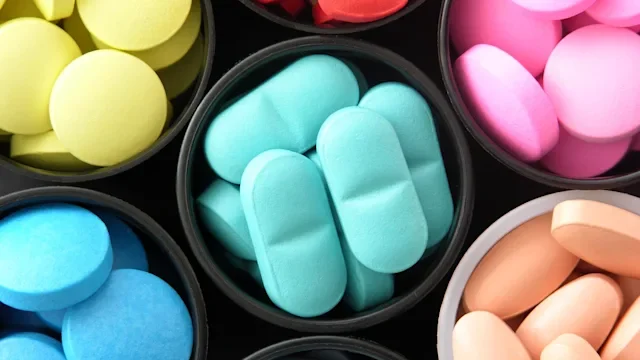
Stimulants improve communication between brain cells. This can help increase attention and focus. Some of the most well-known stimulants for ADHD are Adderall (mixed amphetamine salts), Ritalin (methylphenidate), and Vyvanse (lisdexamfetamine).
When taking ADHD medications, it’s important to know about other substances that can affect how they work. Drinking alcohol with Adderall or other stimulants can cause harmful side effects.
Should you drink alcohol while taking Adderall or other ADHD medications?
No. Mixing alcohol and Adderall or other stimulants can be dangerous. This interaction can raise the risk of serious side effects (more on this later). These may include heart-related problems, such as heart attacks. The risk of alcohol poisoning also goes up.
Is it safe to drink 1 or 2 alcoholic drinks with Adderall?
Whether you can have a drink or two while taking Adderall isn’t straightforward. Alcohol can affect people differently. Some people clear alcohol from their bodies slower than others. Because of this, alcohol’s interaction with Adderall and other ADHD medications is based on many factors. These include genetics, age, and medical history.
It’s also important to consider that Adderall and other stimulants can make it harder to feel the effects of alcohol. So you may not be as aware of intoxication if you drink while taking these medications. This could make it more difficult to tell if a drink or two is safe for you.
Because of these factors, make sure to speak with your prescriber before drinking any alcohol while taking your ADHD medication.
How does alcohol interact with ADHD stimulants?
ADHD stimulants, such as Adderall, can mask the effects of alcohol. This means it may take longer for you to feel intoxicated. And this can cause you to drink more, potentially leading to alcohol poisoning.
Alcohol can also worsen ADHD symptoms and make stimulants less effective. This is because it’s a depressant and slows down signals in the brain. So alcohol has the opposite effect of stimulants.
Alcohol can affect how some extended-release (ER) stimulants are released in the body as well. Drinking alcohol with Ritalin LA (methylphenidate ER) can cause the medication to be released much faster. This means your body could absorb dangerously high amounts of the medication.
What are the typical side effects of mixing alcohol with Adderall or other stimulants?
Mixing alcohol with Vyvanse, Adderall, or other ADHD stimulants raises the risk of experiencing medication side effects. Typical side effects are similar across all stimulants and may include:
Dizziness
Drowsiness
Trouble focusing
Jitters
Palpitations (feeling like your heart is skipping beats)

Read more like this
Explore these related articles, suggested for readers like you.



Are there any serious side effects or risks when combining stimulants like Adderall, Vyvanse, or Ritalin and alcohol?
Yes. Drinking alcohol with stimulants — especially those like Adderall, Vyvanse, or Ritalin — can cause your heart to work harder. This raises your risk of developing heart problems. In severe cases, the combination can even result in chest pain and heart attacks.
ADHD stimulants, such as Adderall, Ritalin, and Vyvanse, are Schedule 2 controlled substances. This means they carry a high risk of misuse and dependence. If you have a history of alcohol or substance use disorder, you may have a higher risk of such problems with stimulants as well.
When should you get medical attention?
As mentioned, combining alcohol and Adderall or other stimulants raises the risk of alcohol poisoning. Alcohol poisoning is life-threatening and requires immediate medical attention.
Symptoms of alcohol poisoning include:
Vomiting
Confusion
Difficulty remaining awake
Slow breathing
Slow heart rate
Clammy skin
Bluish skin or paleness
Seizures
If you or someone you know may be experiencing an alcohol overdose, call 911 immediately or the Poison Control hotline at 1-800-222-1222.
You should also call 911 if you’re having symptoms of a heart attack. These include chest pain, shortness of breath, and pain in the arm or shoulder.
Are certain people more at risk when combining alcohol and ADHD medications?
Alcohol affects everyone differently. But certain people may be more at risk for alcohol-related complications than others. These include older adults, women, and people with liver disease.
Older adults
Older adults break down alcohol slower than younger people. This causes alcohol to remain in their bodies for a longer time. And this can make interactions between alcohol and medications more likely.
Due to how stimulants work in the body, older adults may also be more sensitive to stimulants. Studies have shown that stimulants on their own carry a greater risk of heart problems for older adults. So mixing alcohol and Adderall or other ADHD stimulants can be especially dangerous for older adults.
Women
Women may also have a higher risk of problems when combining ADHD medications like Adderall and alcohol. This is because women typically have less water in their body than men. This means that alcohol may reach higher blood concentrations when women drink it — even if they consume the same amount as men. So for women, there may be more alcohol available in the body to interact with stimulants.
Due to the lack of current research, we don’t know how this risk applies to transgender, non-binary, or intersex people.
Liver disease
Another higher-risk group is those with liver problems. The liver is the main organ responsible for breaking down and removing alcohol from the body. So if it’s not working as well as it should, alcohol hangs around in the body longer. This gives it more time to interact with ADHD stimulants like Adderall and Ritalin.
Liver problems can also cause Adderall or other ADHD stimulants to stay in your body longer. So even without alcohol, liver disease may raise your risk of side effects from these medications. Adding alcohol to the mix can worsen this further.
When can you start drinking after you’ve stopped taking stimulants?
You should never stop your ADHD medications without consulting your prescriber. Doing so can cause withdrawal symptoms, such as sleepiness, slowed muscle movements, and depression. These symptoms could last for weeks.
But if your prescriber is recommending that you stop taking your stimulants, ask when it would be safe to drink alcohol.
How long do stimulants stay in your system?
This varies depending on your age, medical history, and other medications you take. Certain stimulants stay in your body longer, especially if they’re longer-acting versions of the medication.
Amphetamine medications, such as Adderall and Vyvanse, take the longest for the body to clear — about 3 days. Ritalin is usually cleared from the body after 1 day. However, it takes a few hours longer to clear Ritalin LA and Concerta (two ER versions of methylphenidate).
Regardless of which ADHD medication you’re taking, it’s important to check with your prescriber about when it’s safe to drink alcohol again.
Are there any medications for ADHD that are not affected by alcohol?
No, there aren’t any ADHD medications that are safe to take with alcohol.
There are some nonstimulant medications that can treat ADHD. But none of them are safe to mix with alcohol. Examples of nonstimulants include:
Strattera (atomoxetine)
Qelbree (viloxazine)
Intuniv (guanfacine ER)
Kapvay (clonidine ER)
Strattera can cause serious liver damage. So mixing it with alcohol raises the risk of this. Qelbree, Intuniv, and Kapvay can all cause drowsiness and dizziness. Combining them with alcohol can worsen these side effects or make them more intense.
Frequently asked questions
There are no foods you need to completely avoid with ADHD. But you may want to limit:
Sugar: Sugar doesn’t worsen ADHD symptoms. But limiting high-sugar foods can help support overall mental well-being.
Caffeine: Caffeine on its own doesn’t significantly affect ADHD symptoms. But it does interact with many ADHD medications, including stimulants like Adderall and non-stimulants like Qelbree.
Saturated fats: Animal studies suggest there may be a link between saturated fats and certain ADHD symptoms.
Artificial colors: Certain food dyes, such as Red Dye No. 40, may contribute to ADHD symptoms for people who are sensitive to it.
Vitamin C can prevent your body from fully absorbing Adderall. This includes consuming vitamin C in your diet and taking it as a supplement. You may need to separate Adderall from products containing vitamin C. But check with your pharmacist on how long to separate them by.
Activated charcoal could potentially cancel out many medications, including certain ADHD medications. This supplement could bind to amphetamine-based medications, such as Adderall. This could prevent your body from absorbing it. The severity of this interaction depends on how long ago you took your medication and if it’s a short-acting or long-acting formulation. But you shouldn’t take activated charcoal without a healthcare professional telling you how to separate it from your medications.
There are no foods you need to completely avoid with ADHD. But you may want to limit:
Sugar: Sugar doesn’t worsen ADHD symptoms. But limiting high-sugar foods can help support overall mental well-being.
Caffeine: Caffeine on its own doesn’t significantly affect ADHD symptoms. But it does interact with many ADHD medications, including stimulants like Adderall and non-stimulants like Qelbree.
Saturated fats: Animal studies suggest there may be a link between saturated fats and certain ADHD symptoms.
Artificial colors: Certain food dyes, such as Red Dye No. 40, may contribute to ADHD symptoms for people who are sensitive to it.
Vitamin C can prevent your body from fully absorbing Adderall. This includes consuming vitamin C in your diet and taking it as a supplement. You may need to separate Adderall from products containing vitamin C. But check with your pharmacist on how long to separate them by.
Activated charcoal could potentially cancel out many medications, including certain ADHD medications. This supplement could bind to amphetamine-based medications, such as Adderall. This could prevent your body from absorbing it. The severity of this interaction depends on how long ago you took your medication and if it’s a short-acting or long-acting formulation. But you shouldn’t take activated charcoal without a healthcare professional telling you how to separate it from your medications.
The bottom line
Drinking alcohol with stimulants, such as Adderall (mixed amphetamine salts), can be dangerous. This combination can lead to serious complications, such as alcohol poisoning and heart problems. Alcohol can also worsen attention-deficit hyperactivity disorder (ADHD) symptoms and make stimulants less effective.
No ADHD medication is safe to take with alcohol. Alcohol and Adderall or other ADHD medications may be even riskier for certain people, such as older adults and women. That’s why it’s important to speak with your prescriber about your risks of combining alcohol with your medication.

Why trust our experts?




If you or someone you know struggles with substance use, help is available. Call SAMHSA’s National Helpline at 1-800-662-4357 to learn about resources in your area.
References
Centers for Disease Control and Prevention. (2024). Polysubstance use facts.
ClinCalc. (2025). CNS stimulants.
National Institute on Alcohol Abuse and Alcoholism. (2014). Mixing alcohol with medicines.
National Institute on Alcohol Abuse and Alcoholism. (2025). Understanding the dangers of alcohol overdose.
Novartis Pharmaceuticals Corporation. (2025). Ritalin LA- methylphenidate hydrochloride capsule, extended release [package insert]. DailyMed.
PubChem. (2026). Amphetamine.
PubChem. (2026). Lisdexamfetamine.
PubChem. (2026). Methylphenidate.
Sharma, J., et al. (2013). Acute myocardial infarction induced by concurrent use of adderall and alcohol in an adolescent. Pediatric Emergency Care.
Substance Abuse and Mental Health Services Administration. (2016). Facing addiction in America: The Surgeon General’s report on alcohol, drugs, and health.
Tadrous, M., et al. (2021). Assessment of stimulant use and cardiovascular event risks among older adults. JAMA Network Open.
Zellner, T., et al. (2019). The use of activated charcoal to treat intoxications. Deutsches Ärzteblatt.