



What Is Serotonin Syndrome? What You Need to Know If You Take SSRIs
Serotonin syndrome is a reaction to commonly prescribed medications and supplements. Learn what serotonin syndrome is, what causes it, and how to treat it.

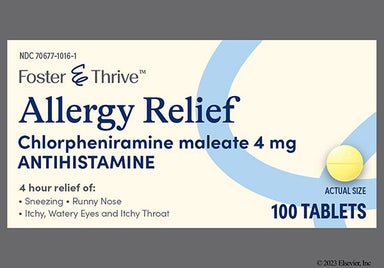
Chlorpheniramine is an over-the-counter (OTC) antihistamine that treats allergy symptoms like sneezing, runny nose, and itchy throat. It works by blocking a chemical called histamine in our bodies. The medication is typically taken by mouth every 4 to 6 hours as needed, but there's an extended-release tablet that can be taken twice daily. Chlorpheniramine is available as a generic and many different brand-name products. Some side effects include drowsiness and dry mouth. It's generally considered safe to take during pregnancy.

Short-term relief of allergy symptoms:
Chlorpheniramine is an antihistamine. It blocks a chemical called histamine in your body, reducing inflammation and treating allergy symptoms like runny nose and itchy eyes.
| Common Brands | Aller-chlor, Chlorphen-12, Pharbechlor, Ed Chlorped Jr |
|---|---|
| Drug Class | Antihistamine |
| Controlled Substance Classification | Not a controlled medication |
| Generic Status | Lower-cost generic available |
| Availability | Over-the-counter |

The following side effects may get better over time as your body gets used to the medication. Let your healthcare provider know immediately if you continue to experience these symptoms or if they worsen over time.
Contact your healthcare provider immediately if you experience any of the following.
Side effects that you should report to your care team as soon as possible:
Side effects that usually do not require medical attention (report these to your care team if they continue or are bothersome):




Chlorpheniramine can cause some serious health issues. This risk may be even higher for certain groups. If this worries you, talk to your doctor or pharmacist about other options.
Chlorpheniramine can make you very sleepy, which can affect your ability to focus, think, or react. This side effect is more likely or might be stronger if you're over 65 years old, drink alcohol while taking this medication, or take other medications that cause sleepiness (e.g., opioids, benzodiazepines, sleep medications). Don't drive or operate machinery until you know how this medication affects you.
Don't take chlorpheniramine if you have breathing problems, glaucoma, or an enlarged prostate unless your primary care provider said it was safe to do so. This medication can worsen these conditions and lead to serious side effects. Make sure your care team knows about all medical conditions you have before starting chlorpheniramine.
Chlorpheniramine is an antihistamine, which is in many other OTC products. Using more than one medication containing an antihistamine can lead to an accidental overdose and cause serious side effects, such as extreme drowsiness. Very rarely, it can result in seizures, hallucinations, or even death. To prevent an accidental overdose, read package labels carefully. If you're not sure if a product has an antihistamine, ask your pharmacist. If you or your loved one experiences an accidental overdose, get medical help right away or contact Poison Control at 1-800-222-1222.

 Tablet
| Dosage | Quantity | Price as low as | Price per unit |
|---|---|---|---|
| 4mg | 30 tablets | $4.74 | $0.16 |
There are several manufacturers of chlorpheniramine that might have various strengths and concentrations. The dose and age cut-offs might differ depending on the product you have. Always check the box for specific directions. Below are some examples of dosing instructions.
Chlorpheniramine immediate-release tablets:
Chlorpheniramine extended-release tablets:
Ed Chlorped Jr (chlorpheniramine) liquid: Each 5 mL contains 2 mg of chlorpheniramine.











Prescription savings
Stop paying too much for your prescriptions. Compare prices, get pharmacy coupons, and save up to 80%. Find expert answers to your health questions so you can make the best decisions for yourself and your family.
Health conditions
Medications & treatment
Access & affordability
 Our monthly healthcare membership can help you save thousands on your prescription costs.
Resources

Yes, drowsiness is a common side effect of Chlorpheniramine. Don't drive or do anything that requires you to be alert until you know how this medication affects you. Also keep in mind that alcohol and other medications that can cause you to feel sleepy (e.g., sedatives) can intensify this side effect.
Not typically. Chlorpheniramine doesn't raise blood pressure alone. But it's sometimes combined with other medications found over the counter, like decongestants, which can raise your blood pressure. If you have high blood pressure, ask your healthcare professional which allergy treatment is safest for you.
Yes, Chlorpheniramine is available over the counter. You don't need a prescription to take it. You can find Chlorpheniramine in both brand-name and generic products, including tablets and liquids.
Both Chlorpheniramine and diphenhydramine (Benadryl) are first-generation antihistamines that are available over the counter, but they have some differences. Both are used to treat cold and allergy symptoms, but diphenhydramine (Benadryl) can also be used as a sleep aid. Diphenhydramine (Benadryl) might work faster to treat allergies, and is available as an extended-release tablet that lasts up to 12 hours. Follow up with your healthcare professional to learn more differences between these medications.
If you're pregnant, don't use Chlorpheniramine until you've talked to a healthcare professional (HCP). Generally, it's considered safe during pregnancy, and the American College of Obstetricians and Gynecologists lists it as a safe option. But it's best to discuss the risks and benefits with your HCP first.
