


9 Essential Tips for Taking Calcium Channel Blockers
Calcium channel blockers are first-choice medications for treating high blood pressure. Here are nine pharmacist tips to help maximize the potential benefits.
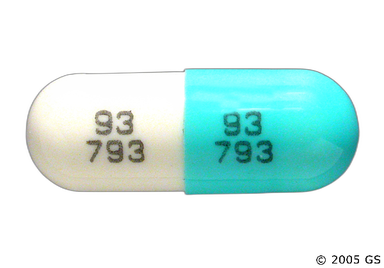
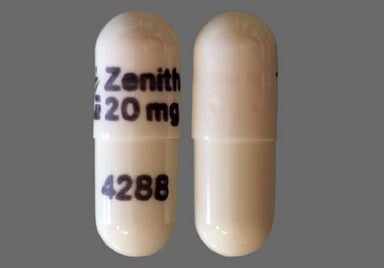
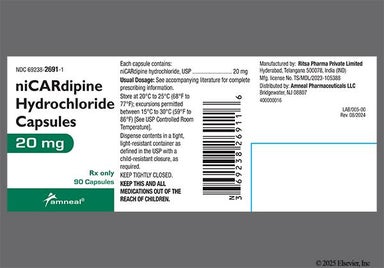
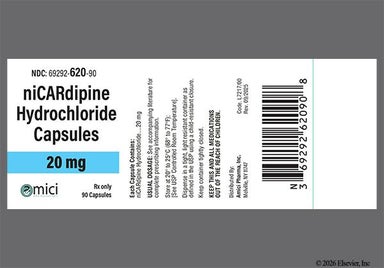
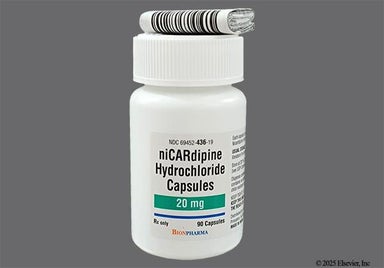
Nicardipine (Cardene) capsules are used to treat chest pain and high blood pressure, but it can also affect your heart rate. The capsules used to be available as a brand name, but come as generics. Nicardipine (Cardene) is also available as an intravenous (IV) drip (continuous infusion) that's administered by a healthcare provider to treat high blood pressure for people who can't take medications by mouth. Common side effects of this medication include swelling of the feet, flushing, headache, and dizziness.

Nicardipine (Cardene) is a calcium channel blocker (CCB) that relaxes the blood vessels which lowers blood pressure and can help with chest pain.
| Common Brands | Cardene |
|---|---|
| Drug Class | Calcium channel blocker (CCB) |
| Controlled Substance Classification | Not a controlled medication |
| Generic Status | Lower-cost generic available |
| Availability | Prescription only |

The following side effects may get better over time as your body gets used to the medication. Let your healthcare provider know immediately if you continue to experience these symptoms or if they worsen over time.
Contact your healthcare provider immediately if you experience any of the following.
Along with its needed effects, a medicine may cause some unwanted effects. Although not all of these side effects may occur, if they do occur they may need medical attention.
Check with your doctor immediately if any of the following side effects occur:
More common
Arm, back, or jaw pain
chest pain or discomfort
chest tightness or heaviness
fast or irregular heartbeat
palpitations
shortness of breath
sweating
swelling of the legs
Less common
Shakiness
swelling
Rare
Blurred vision
cold hands and feet
cold sweats
confusion
cough or hoarseness
difficulty swallowing
dizziness, faintness, or lightheadedness when getting up from a lying or sitting position suddenly
extra heartbeat
fever or chills
increase in frequency of urination
lower back or side pain
painful or difficult urination
puffiness or swelling of the eyelids or around the eyes, face, lips, or tongue
skin rash
unusual tiredness or weakness
Get emergency help immediately if any of the following symptoms of overdose occur:
Symptoms of overdose
Sleepiness
slurred speech
Some side effects may occur that usually do not need medical attention. These side effects may go away during treatment as your body adjusts to the medicine. Also, your health care professional may be able to tell you about ways to prevent or reduce some of these side effects. Check with your health care professional if any of the following side effects continue or are bothersome or if you have any questions about them:
More common
Feeling of warmth
headache
lack or loss of strength
redness of the face, neck, arms and occasionally, upper chest
Less common
Acid or sour stomach
belching
burning, crawling, itching, numbness, prickling, "pins and needles", or tingling feelings
difficulty in moving
indigestion
joint pain
muscle aching or cramping
muscle pains or stiffness
rash
stomach discomfort, upset, or pain
swollen joints
Rare
Changes in vision
continuing ringing or buzzing or other unexplained noise in ears
decreased interest in sexual intercourse
difficult or labored breathing
discouragement
fear or nervousness
feeling of constant movement of self or surroundings
feeling sad or empty
hearing loss
inability to have or keep an erection
increase in body movements
irritability
lack of appetite
loss of interest or pleasure
loss in sexual ability, desire, drive, or performance
nervousness
pain or tenderness around eyes and cheekbones
sensation of spinning
trouble concentrating
trouble sleeping
Other side effects not listed may also occur in some patients. If you notice any other effects, check with your healthcare professional.
Call your doctor for medical advice about side effects. You may report side effects to the FDA at 1-800-FDA-1088.




Nicardipine (Cardene) can cause some serious health issues. This risk may be even higher for certain groups. If this worries you, talk to your doctor or pharmacist about other options.
Though rare, some people taking nicardipine (Cardene) reported worsening or more frequent angina (chest pain). This was more common at the start of treatment or when they switched to a higher dose.
In addition, some people with heart failure experienced worsening symptoms while taking nicardipine (Cardene). Let your provider know if you have heart failure, especially if you're taking a beta blocker, before starting nicardipine (Cardene), or if you have worsened chest pain when taking nicardipine (Cardene).
Nicardipine (Cardene) can occasionally cause symptoms of low blood pressure (symptomatic hypotension), such as dizziness, lightheadedness, blurred vision, or fainting. Let your provider know if you have a history of a stroke, because this risk can be especially dangerous. Your provider might adjust your dose and have you monitor your blood pressure during your treatment.
Nicardipine (Cardene) gets processed through the liver, so you might have more of the medication build up in your body if you have liver problems. The amount of nicardipine (Cardene) might also be higher in your body if you have kidney problems. With this in mind, your provider might lower your dose of nicardipine (Cardene) if you have liver or kidney problems.


Although certain medicines should not be used together at all, in other cases two different medicines may be used together even if an interaction might occur. In these cases, your doctor may want to change the dose, or other precautions may be necessary. When you are taking this medicine, it is especially important that your healthcare professional know if you are taking any of the medicines listed below. The following interactions have been selected on the basis of their potential significance and are not necessarily all-inclusive.
Using this medicine with any of the following medicines is usually not recommended, but may be required in some cases. If both medicines are prescribed together, your doctor may change the dose or how often you use one or both of the medicines.
Using this medicine with any of the following medicines may cause an increased risk of certain side effects, but using both drugs may be the best treatment for you. If both medicines are prescribed together, your doctor may change the dose or how often you use one or both of the medicines.


Contraindications are specific health conditions or situations in which a person should not take a medication due to safety concerns. If you have any of the following conditions or if any of the following apply to you, let your healthcare provider know because Nicardipine (Cardene) will not be safe for you to take.



Prescription savings
Stop paying too much for your prescriptions. Compare prices, get pharmacy coupons, and save up to 80%. Find expert answers to your health questions so you can make the best decisions for yourself and your family.
Health conditions
Medications & treatment
Access & affordability
Medication discounts


Though rare, people who took Nicardipine in clinical trials noted a rise in their heart rate. Nicardipine works in your body by widening the blood vessels, which leads to a drop in blood pressure. As a result, your heart pumps at a higher rate to try to raise the blood pressure back up. If you've more questions about how Nicardipine affects your heart, talk with your provider.
No, beta blockers shouldn't be stopped suddenly because this can lead to withdrawal effects, such as a rise in heart rate and blood pressure. While Nicardipine lowers blood pressure, it isn't a beta blocker, so it doesn't protect you against the withdrawal effects of stopping a beta blocker suddenly. If you want to stop your beta blocker, ask your provider how you can do so safely.
There aren't enough studies looking at whether older adults respond differently to Nicardipine than younger adults. In general however, older adults have a higher risk of liver, kidney, heart, or other health problems, so your provider might have you start on a lower dose.
Having high blood pressure puts you at a higher risk for stroke. If you have high blood pressure, your provider will try to bring down your blood pressure in order to help prevent a stroke.
Can I take Nicardipine if I'm pregnant?
