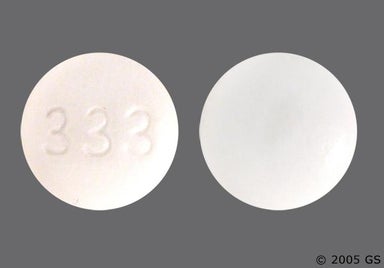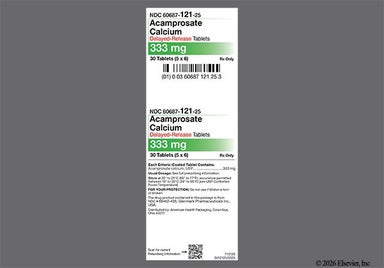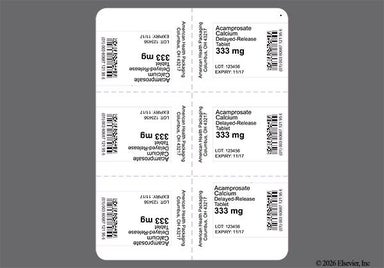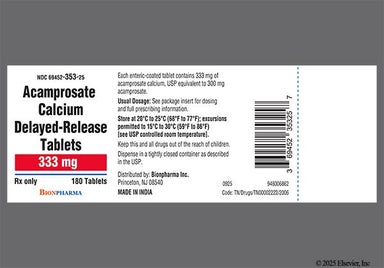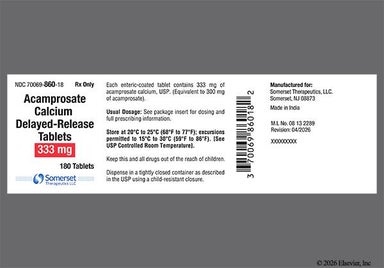
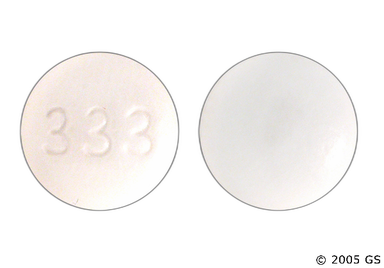
Acamprosate Coupon - Acamprosate 333mg tablet

acamprosate

Generic Campral
Used for Alcohol Dependence

Acamprosate is a first-choice medication used to treat alcohol use disorder in adults who've already stopped drinking. It's a N-methyl-D-aspartate (NMDA) receptor modulator that works by balancing chemicals in the brain to minimize the desire to drink. Acamprosate is taken by mouth, typically three times a day. Some common side effects of this medication include diarrhea, trouble sleeping, and nervousness. Brand name Campral has been discontinued; acamprosate is only available as a generic.

Reviewed by:Last reviewed on September 25, 2024
basics-icon

What is Acamprosate?

What is Acamprosate used for?

How Acamprosate works

Acamprosate is a N-methyl-D-aspartate (NMDA) receptor modulator. The exact way it works isn't well-understood. But it's thought to lower alcohol cravings by balancing certain chemicals in the brain, such as gamma-aminobutyric acid (GABA) and glutamate.

Drug facts

Common BrandsCampral(brand name no longer available)
Drug ClassNMDA receptor modulator
Controlled Substance ClassificationNot a controlled medication
Generic StatusLower-cost generic available
AvailabilityPrescription only
side-effects-icon

Side effects of Acamprosate

The following side effects may get better over time as your body gets used to the medication. Let your healthcare provider know immediately if you continue to experience these symptoms or if they worsen over time.

Common Side Effects

  • Diarrhea (16%)
  • Trouble sleeping (7%)
  • Nervousness or anxiety (6%)
  • Physical weakness or lack of energy (6%)
  • Depression (5%)

Less Common Side Effects

  • Nausea
  • Gas
  • Dry mouth
  • Itchiness
  • Sweating
  • Accidental injury

Acamprosate serious side effects

Contact your healthcare provider immediately if you experience any of the following.

  • Depression and suicidal thoughts or behavior

Source: DailyMed

The following Acamprosate side effects have also been reported

Along with its needed effects, a medicine may cause some unwanted effects. Although not all of these side effects may occur, if they do occur they may need medical attention.

Check with your doctor immediately if any of the following side effects occur:

More common

Extreme feeling of sadness or emptiness

fear

severe depression

Symptoms of Overdose

Get emergency help immediately if any of the following symptoms of overdose occur:

Abdominal pain

confusion

constipation

diarrhea

dry mouth

headache

incoherent speech

increased urination

metallic taste

muscle weakness

nausea

thirst

unusual tiredness

vomiting

weight loss

Some side effects may occur that usually do not need medical attention. These side effects may go away during treatment as your body adjusts to the medicine. Also, your health care professional may be able to tell you about ways to prevent or reduce some of these side effects. Check with your health care professional if any of the following side effects continue or are bothersome or if you have any questions about them:

More Common

Discouragement

feeling sad

irritability

lack of appetite

lack or loss of strength

loss of interest or pleasure

nervousness

sleeplessness

tiredness

trouble concentrating

trouble sleeping

Less common

Accidental injury

bloated or full feeling

burning, crawling, itching, numbness, prickling, "pins and needles", or tingling feelings

dizziness

dry mouth

excess air or gas in stomach or intestines

itching skin

pain

passing gas

sweating

Other side effects not listed may also occur in some patients. If you notice any other effects, check with your healthcare professional.

Call your doctor for medical advice about side effects. You may report side effects to the FDA at 1-800-FDA-1088.

prices-container

Get your GoodRx coupon

Avg retail price
$271.17(Save 74.86%)
GoodRx discount
$68.17
See prices
pros-and-cons-icon

Pros and cons of Acamprosate

Pros

Cons

pharmacist-tips-icon

Pharmacist tips for Acamprosate

pharmacist
  • Typically, acamprosate is taken by mouth three times a day. You can take this medication with or without food. But if you eat three meals a day, taking it with your meals can help you remember to take it.
  • Discuss with your healthcare team what your treatment for alcohol use disorder looks like. Typically, acamprosate is prescribed as a part of a holistic treatment plan that also involves support groups and therapy.
  • You can continue taking acamprosate if you relapse and have a drink. Let your healthcare team know about what happened so they can help you prevent future relapses by identifying and avoiding triggers.
  • Let your healthcare team know if you experience symptoms of alcohol withdrawal like tremors, trouble sleeping, and anxiety. Acamprosate isn't likely to ease symptoms of alcohol withdrawal and you might need more medical attention.
  • Tell your prescriber if you become pregnant or are breastfeeding during treatment with acamprosate. There isn't enough information to know whether this medication causes harm to babies. But it's important that you continue to get help for alcohol use disorder during pregnancy and while you're nursing. Your healthcare team can talk with you about possible options.
faq-icon

Common questions about Acamprosate

Typically, your healthcare team will recommend that you start acamprosate after you've already stopped drinking alcohol and have gone through the withdrawal period. In clinical studies, acamprosate was taken by people who had already detoxed and were abstaining (staying away) from alcohol. Research suggests that acamprosate might not work if you start it while you're still experiencing withdrawal symptoms. Talk to your healthcare team about the most ideal time for you to start taking this medication.

Acamprosate doesn't interact with alcohol, so you're unlikely to experience a bad reaction if you drink while taking this medication. You can still continue treatment if you happen to relapse. Acamprosate works by lowering your urge to drink and can help lower the risk of future relapses. Tell your healthcare team if you've had any alcohol since starting acamprosate. They can help provide you the support and resources you need to avoid future triggers and to maintain your recovery.

No, acamprosate isn't available over the counter. You'll need a prescription from a healthcare professional.

There isn't an exact length of time that you should take acamprosate. Guidelines from the Substance Abuse and Mental Health Services Administration (SAMHSA) suggests continuing treatment for alcohol use disorder for 6 months to a year. Your healthcare team might ask you to take acamprosate as long as it minimizes your cravings for alcohol and you're not experiencing any serious side effects. But if you continue to relapse after starting acamprosate or if you're experiencing depression or thoughts of self-harm during treatment, they might talk with you about other medication options. Keep in mind that taking acamprosate is just one aspect of the treatment plan for alcohol use disorder. Your healthcare team can talk with you about what your holistic treatment plan looks like.

For most people, it takes about a week for acamprosate to fully leave your system. This is based on the medication's half-life. It can take longer if you have kidney problems since this medication mainly leaves your body through your kidneys. Ask your healthcare team if you have specific concerns about how long acamprosate stays in your system.

Acamprosate can cause dizziness as a side effect, and this might make some people feel drowsy. But this medication can also cause trouble sleeping and nervousness in others. Since everyone responds differently to medications, wait and see how acamprosate makes you feel before driving or doing any activities that need a lot of attention and focus. If you feel very sleepy or drowsy after starting acamprosate, let your healthcare team know. They can talk with you to better understand what factors might be causing these symptoms.

Some people who took acamprosate in clinical studies did report weight gain as a side effect. It's unclear whether the weight gain was caused by acamprosate or by other factors. But in general, weight gain was more commonly seen in people who were also taking an antidepressant at the same time, rather than people taking acamprosate without an antidepressant. If you're concerned about the risk of weight gain from acamprosate, talk with your prescriber.

If you want to stop taking acamprosate, talk to your prescriber first. Acamprosate isn't known to cause withdrawal symptoms if you suddenly stop treatment, so your prescriber doesn't need to taper your dose over time. But they can talk with you about other treatment options for alcohol use disorder if you think acamprosate isn't working well for you or if it's causing bothersome side effects.

educational-icon

How to save using GoodRx

Compare Prices
1. Compare PricesSpecify your dosage and quantity to find out exactly how much you can save.
Select your free coupon
2. Select your free couponYou can use the displayed coupon, or compare prices at other pharmacies near you.
Show coupon to your pharmacist
3. Show coupon to your pharmacistPresent your printed or electronic coupon when you pick up your prescription.
Get free couponLearn more
warnings-icon

Risks and warnings for Acamprosate

Acamprosate can cause some serious health issues. This risk may be even higher for certain groups. If this worries you, talk to your doctor or pharmacist about other options.

Suicidal thoughts and behavior

Though not common, people who took acamprosate in clinical studies had higher rates of suicidal thoughts and behavior than those treated with placebo. People who experienced suicidal ideations and thoughts of self-harm often did so during alcohol relapse. It's important that you work closely with members of your care team throughout your alcohol recovery process. Report signs of worsening mood or thoughts of self-harm. Tell your loved ones and family members to watch for changes in your behavior. They should report unusual behavior to your prescriber if appropriate.

Kidney problems

Your kidneys are responsible for clearing acamprosate from your body. The medication can build up in your body if your kidneys aren't working well. People who have mild kidney problems might be instructed to take half of the usual recommended dose. People with severe kidney problems shouldn't use acamprosate.

Might not help with alcohol withdrawal symptoms

Research suggests acamprosate might not help with alcohol withdrawal symptoms. This medication is meant to be started after you've already quit drinking alcohol and have gone through the initial alcohol withdrawal phase. But you can continue treatment with acamprosate if you've had a relapse. Check in regularly with your healthcare team so they can provide you with the support and resources needed to maintain recovery.

dosage-icon

Acamprosate dosage

The average cost for 180 tablets of 333mg of Acamprosate is $68.17 with a free GoodRx coupon. This is 74.86% off the average retail price of $271.17.
tabletTablet
DosageQuantityPrice as low asPrice per unit
333mg180 tablets$68.17$0.38

Typical dosage for Acamprosate

Each tablet contains 333 mg of acamprosate.

Adults: The typical dose is 2 tablets by mouth three times a day. Your dose might differ if you have kidney problems.

interactions-icon

Interactions between Acamprosate and other drugs

Acamprosate may interact with certain medications or supplements. Always let your doctor and pharmacist know about any other medications or supplements (including prescribed and over-the-counter medications, vitamins, and dietary or herbal supplements) that you are currently taking. The list below does not include all possible drug interactions with Acamprosate. Please note that only the generic name of each medication is listed below.

Although certain medicines should not be used together at all, in other cases two different medicines may be used together even if an interaction might occur. In these cases, your doctor may want to change the dose, or other precautions may be necessary. Tell your healthcare professional if you are taking any other prescription or nonprescription (over-the-counter [OTC]) medicine.

cost-icon

How much does Acamprosate cost?

To access savings, use a GoodRx coupon and pay just a fraction of the retail price.
contraindications-icon

Acamprosate contraindications

Contraindications are specific health conditions or situations in which a person should not take a medication due to safety concerns. If you have any of the following conditions or if any of the following apply to you, let your healthcare provider know because Acamprosate will not be safe for you to take.

  • Severe kidney problems
alternatives-icon

What are alternatives to Acamprosate?

There are a number of medications that your doctor can prescribe in place of Acamprosate. Compare a few possible alternatives below.
Acamprosate
Used for:
$68.17Lowest GoodRx priceView prices
Used for:
  • Alcohol use disorder
$33.59Lowest GoodRx priceView prices
latest-news-icon

News about Acamprosate

A “functioning alcoholic” may maintain work and personal responsibilities while still struggling with alcohol use disorder. Learn the signs of functional alcoholism.
Functional Alcoholism: What Does It Mean to Be a ‘Functioning Alcoholic’?
A “functioning alcoholic” may maintain work and personal responsibilities while still struggling with alcohol use disorder. Learn the signs of functional alcoholism.
Learn about 5 medications used to treat alcohol use disorder. It’s best to combine medication with other forms of treatment, such as therapy & support groups.
These 5 Medications for Alcohol Use Disorder Can Help You Stop Drinking
Learn about 5 medications used to treat alcohol use disorder. It’s best to combine medication with other forms of treatment, such as therapy & support groups.
Medication-assisted treatment (MAT) combines medication with counseling and therapy. See how MAT can be effective for substance use disorders.
What Is Medication-Assisted Treatment? How Taking Medication for Substance Use Disorders Can Help
Medication-assisted treatment (MAT) combines medication with counseling and therapy. See how MAT can be effective for substance use disorders.
Acamprosate doesn’t have known drug interactions. Pharmacists answer your questions about whether you can take it with other alcohol use disorder medications.
6 Common Questions About Acamprosate Interactions
Acamprosate doesn’t have known drug interactions. Pharmacists answer your questions about whether you can take it with other alcohol use disorder medications.
The recommended acamprosate dosage for alcohol use disorder is 666 mg  three times a day. Get acamprosate dosage adjustments and specific instructions here.
Acamprosate Dosages for Adults: Your GoodRx Guide
The recommended acamprosate dosage for alcohol use disorder is 666 mg three times a day. Get acamprosate dosage adjustments and specific instructions here.
Acamprosate is a medication that treats alcohol use disorder. Find answers to acamprosate FAQs, including how long it takes to work.
How Long Does Acamprosate Take to Work? Pharmacists Answer 6 FAQs
Acamprosate is a medication that treats alcohol use disorder. Find answers to acamprosate FAQs, including how long it takes to work.
There’s not a lot of research on taking acamprosate during pregnancy. It’s typically only recommended if the possible benefits outweigh the risk. Read more here.
Can You Take Acamprosate During Pregnancy?
There’s not a lot of research on taking acamprosate during pregnancy. It’s typically only recommended if the possible benefits outweigh the risk. Read more here.
If you’re managing alcohol dependence with Acamprosate, be aware of these 4 potential side effects.
4 Acamprosate Side Effects You Should Know About
If you’re managing alcohol dependence with Acamprosate, be aware of these 4 potential side effects.
Acamprosate and disulfiram both help treat alcohol use disorder. However, these medications work in different ways and have different side effects.
Acamprosate vs. Disulfiram for Alcohol Use Disorder: 5 Differences You Need to Know
Acamprosate and disulfiram both help treat alcohol use disorder. However, these medications work in different ways and have different side effects.
Acamprosate and naltrexone both treat alcohol use disorder. But there are some differences in terms of side effects and the effectiveness of these medications.
Acamprosate vs. Naltrexone for Alcohol Use Disorder: 5 Differences You Need to Know About
Acamprosate and naltrexone both treat alcohol use disorder. But there are some differences in terms of side effects and the effectiveness of these medications.
images-icon

Acamprosate images

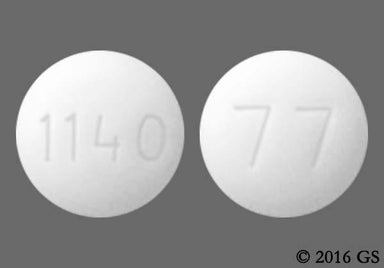
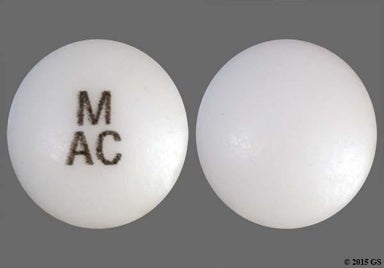
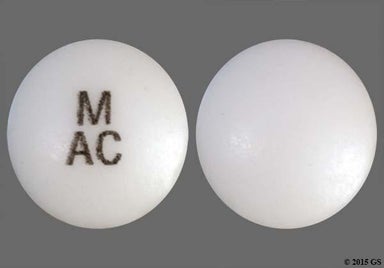
White Round M Ac - Acamprosate Calcium 333mg Delayed-Release Tablet
This medicine is White, Round Tablet Imprinted With "M Ac".White Round M Ac - Acamprosate Calcium 333mg Delayed-Release Tablet
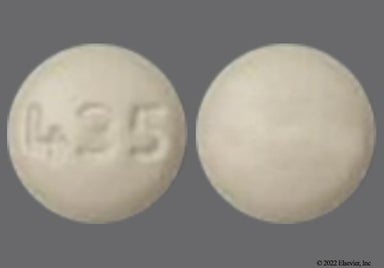
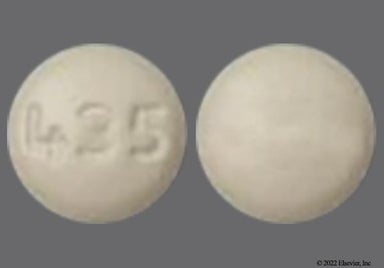
White Round 435 - Acamprosate Calcium 333mg Delayed-Release Tablet
This medicine is White, Round Tablet Imprinted With "435".White Round 435 - Acamprosate Calcium 333mg Delayed-Release Tablet
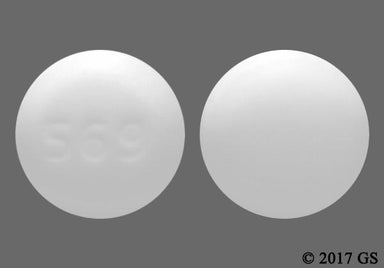
White Round 569 - Acamprosate Calcium 333mg Delayed-Release Tablet
This medicine is White, Round Tablet Imprinted With "569".White Round 569 - Acamprosate Calcium 333mg Delayed-Release Tablet
White Round C - Acamprosate Calcium 333mg Delayed-Release Tablet
This medicine is White, Round Tablet Imprinted With "C".White Round C - Acamprosate Calcium 333mg Delayed-Release Tablet

Get savings updates for Acamprosate

Receive price alerts, news, and other messages from GoodRx about Acamprosate and other healthcare topics and relevant savings offers.

By providing your email, you consent to receive marketing communications from GoodRx, which may include content and/or data related to men's health, women's health, reproductive care, or sexual health. You agree to the GoodRx Terms of Use and acknowledge the Privacy Policy. You can unsubscribe at any time.

References

Best studies we found

Kampman, K. M., et al. (2009). Initiating acamprosate within-detoxification versus post-detoxification in the treatment of alcohol dependence. Addictive Behaviors.

Substance Abuse and Mental Health Services Administration. (2009). Chapter 2–Acamprosate. Incorporating Alcohol Pharmacotherapies Into Medical Practice.

U.S. Department of Health and Human Services. (2015). Medication for the treatment of alcohol use disorder: A brief guide.

GoodRx Health has strict sourcing policies and relies on primary sources such as medical organizations, governmental agencies, academic institutions, and peer-reviewed scientific journals. Learn more about how we ensure our content is accurate, thorough, and unbiased by reading our editorial guidelines.

Was this page helpful?