


How Much Caffeine Is in a Cup of Coffee?
The average cup of coffee has anywhere from 95 mg to 165 mg of caffeine. But is that a lot, and how much is too much? Here’s what we know about caffeine intake.
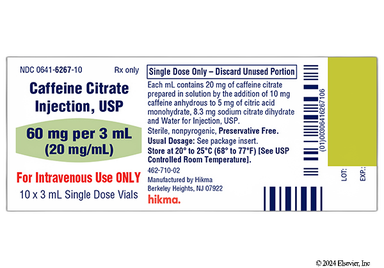
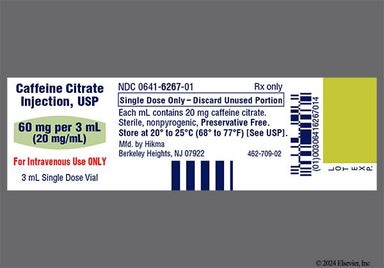
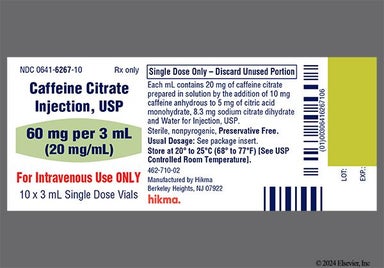
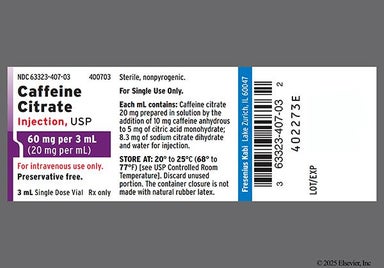
Caffeine citrate (Cafcit) is a medication that works well for treating breathing problems in premature babies, but it's usually used for a short period of time. This medication is typically given to your baby in the neonatal intensive care unit (NICU). It's available as an injection into the vein (IV). There's also an oral solution form of caffeine citrate (Cafcit) for premature babies who have a feeding tube or can swallow. Sometimes, caffeine citrate (Cafcit) can cause side effects, like restlessness, jitteriness, faster heartbeat, and more diaper wetting (more urination).

Caffeine citrate (Cafcit) is a central nervous system stimulant. It's not completely known how the medication works. But it's thought that caffeine citrate (Cafcit) helps open up the airways and control breathing. It might also help the diaphragm muscle work better to improve breathing. This might help premature babies breathe better.
| Common Brands | Cafcit |
|---|---|
| Drug Class | Stimulant |
| Controlled Substance Classification | Not a controlled medication |
| Generic Status | Lower-cost generic available |
| Availability | Prescription only |

The following side effects may get better over time as your body gets used to the medication. Let your healthcare provider know immediately if you continue to experience these symptoms or if they worsen over time.
Contact your healthcare provider immediately if you experience any of the following.
Along with its needed effects, a medicine may cause some unwanted effects. Although not all of these side effects may occur, if they do occur they may need medical attention.
Check with your doctor as soon as possible if any of the following side effects occur:
More common
dizziness
fast heartbeat
hyperglycemia, including blurred vision, drowsiness, dry mouth, flushed dry skin, fruit-like breath odor, increased urination, ketones in urine, loss of appetite, nausea, stomachache, tiredness, troubled breathing, unusual thirst, or vomiting (in newborn babies)
hypoglycemia, including anxious feeling, blurred vision, cold sweats, confusion, cool pale skin, drowsiness, excessive hunger, fast heartbeat, nausea, nervousness, restless sleep, shakiness, or unusual tiredness or weakness (in newborn babies)
irritability, nervousness, or severe jitters (in newborn babies)
nausea (severe)
trouble in sleeping
vomiting
Symptoms of overdose
Abdominal or stomach pain
agitation, anxiety, excitement, or restlessness
confusion or delirium
convulsions (seizures)—in acute overdose
dehydration
faster breathing rate
fast or irregular heartbeat
headache
increased sensitivity to touch or pain
irritability
muscle trembling or twitching
nausea and vomiting, sometimes with blood
overextending the body with head and heels bent backward and body bowed forward
painful, swollen abdomen or vomiting (in newborn babies)
ringing or other sounds in ears
seeing flashes of "zig-zag" lights
whole-body tremors (in newborn babies)
Some side effects may occur that usually do not need medical attention. These side effects may go away during treatment as your body adjusts to the medicine. Also, your health care professional may be able to tell you about ways to prevent or reduce some of these side effects. Check with your health care professional if any of the following side effects continue or are bothersome or if you have any questions about them:
After you stop using this medicine, your body may need time to adjust. The length of time this takes depends on the amount of medicine you were using and how long you used it. During this time, check with your doctor if you notice any of the following side effects:
More common
dizziness
headache
irritability
muscle tension
nervousness
unusual tiredness
Other side effects not listed may also occur in some patients. If you notice any other effects, check with your healthcare professional.
Call your doctor for medical advice about side effects. You may report side effects to the FDA at 1-800-FDA-1088.




Caffeine citrate (Cafcit) can cause some serious health issues. This risk may be even higher for certain groups. If this worries you, talk to your doctor or pharmacist about other options.
In studies, some babies who were given caffeine citrate (Cafcit) developed a serious bacterial infection in the intestine during treatment. This infection can sometimes be life-threatening. Although it isn't clear if caffeine citrate (Cafcit) can cause this bacterial gut infection, it's important to be aware of the potential risk. Signs and symptoms of this bacterial gut infection include bloating of the stomach area, vomiting, bloody stools, feeding problems, and unstable breathing or heart rate. Your baby's provider will closely watch for these signs and symptoms as they treat your baby with caffeine citrate (Cafcit). Also let your baby's care team know if you notice these signs and symptoms when you're taking care of your baby.
Seizures can happen if too much caffeine citrate (Cafcit) is accidentally given to your baby. For this reason, your baby's provider will decide whether caffeine citrate (Cafcit) is safe for your baby if your baby has had seizures. If your baby is getting caffeine citrate (Cafcit), the provider will make sure that your baby is getting the right dose of medication.
If your baby has kidney or liver problems, the care team will carefully use caffeine citrate (Cafcit) to treat your baby. The kidneys and liver work to break down and remove caffeine citrate (Cafcit) from the body. If your baby's kidneys and liver aren't working properly, your baby can't get rid of the medication from their body well. It can stay in the body longer, which can potentially raise the risk of side effects and toxicity.
From studies, caffeine citrate (Cafcit) doesn't appear to harm the heart. But, the medication can make the heart beat faster and work harder than normal. For this reason, the care team will carefully use caffeine citrate (Cafcit) to treat babies with heart problems.

 Bottle of oral solution
| Dosage | Quantity | Price as low as | Price per unit |
|---|---|---|---|
| 3ml of 20mg/ml | 30 bottles | $192.10 | $6.40 |

Although certain medicines should not be used together at all, in other cases two different medicines may be used together even if an interaction might occur. In these cases, your doctor may want to change the dose, or other precautions may be necessary. Tell your healthcare professional if you are taking any other prescription or nonprescription (over-the-counter [OTC]) medicine.


Prescription savings
Stop paying too much for your prescriptions. Compare prices, get pharmacy coupons, and save up to 80%. Find expert answers to your health questions so you can make the best decisions for yourself and your family.
Health conditions
Medications & treatment
Access & affordability
Medication discounts

Sometimes, when babies are born before the 37th week of pregnancy (premature), their ability to breathe continuously isn't fully developed. Because of this, they might experience short periods of shallow breathing or stopped breathing. This condition, known as apnea of prematurity, is fairly common in premature babies. Providers caring for premature babies with this breathing problem commonly use Cafcit to help them breathe regularly.
Cafcit is the medication of choice to treat abnormal breathing in premature babies. In fact, it's the only treatment that's approved by the FDA for this purpose. It's suggested that Cafcit works better to lessen episodes of apnea and has fewer side effects than some other related medications (e.g., aminophylline, theophylline).
Your baby's provider will make sure your baby gets Cafcit for the appropriate and safe amount of time needed to improve your baby's breathing. Each hospital might have different protocols that the care team follows on how to give Cafcit appropriately. Keep in mind that it's not clear how safe the medication is or how well it works when it's used for more than 12 days because there aren't many studies looking into long-term treatment. If your baby's breathing doesn't improve or gets worse at any point during treatment, let the care team know right away.
No. Cafcit is available as an injection and an oral solution form. The injection form should only be given to your baby intravenously (into the vein or IV) by a healthcare professional. The oral solution can be given by mouth if your baby is able to swallow or through a feeding tube. Cafcit is typically given in the neonatal intensive care unit (NICU).
Cafcit doesn't cause liver damage. But, if your baby has liver problems, the care team will use the medication cautiously and watch your baby closely. Cafcit is primarily broken down by the liver once inside the body. If the liver isn't working properly, more medication can stay inside the body. This can raise the risk for toxicities (e.g., fever, fast breathing, trouble sleeping, stiff arms or legs, muscle spasms, seizures). If your baby has liver problems, their provider might give them a lower Cafcit dose and watch for signs of toxicity closely.

