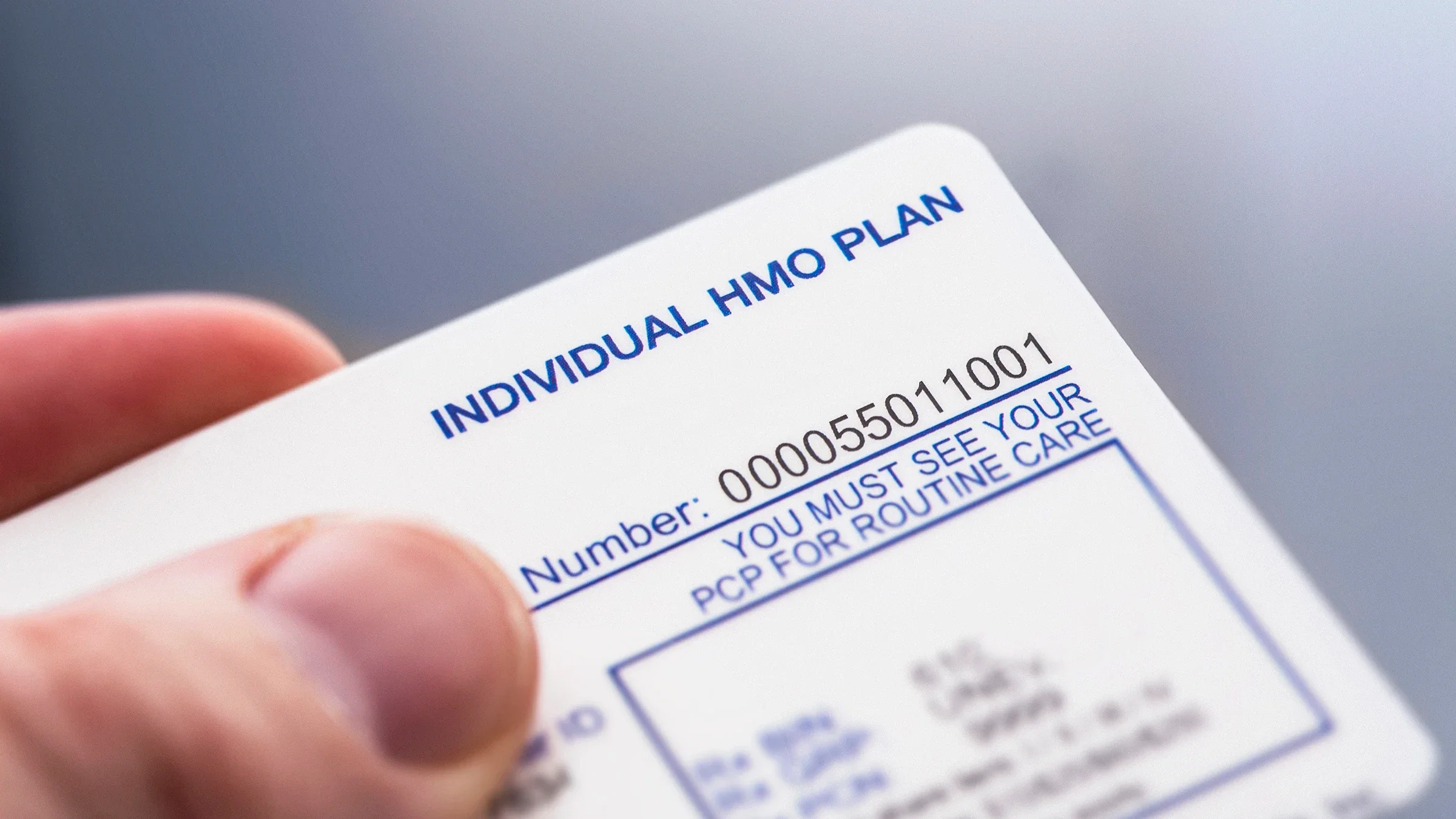
Health Insurance

Health insurance helps pay for hospital treatment, outpatient care, preventive services, and prescription medication. Having a health plan can protect you financially through cost sharing and negotiated rates with healthcare professionals and facilities. You typically pay monthly premiums and a portion of the costs when you receive care.
Most people in the U.S. have some form of health insurance. About 60 percent of people younger than 65, or more than 165 million individuals, were covered by employer-sponsored health plans in March 2025. About 10% of that under-65 population had no health insurance in 2024.
But health plans are unequal — both in costs and coverage. People with plans that leave them exposed to high costs and financial risk are considered underinsured.
There are many options for health insurance coverage, including from:
An Affordable Care Act (ACA) health insurance marketplace, also known as Obamacare
A private health insurance company
Your employer
Your parent’s health plan
Your spouse or domestic partner’s health plan


Search and compare options
Enrollment periods vary depending on the kind of coverage you want. If you have employer-based health insurance, you can compare and switch plans once a year. Open enrollment often lasts for a few weeks in the fall, but it may come at other times. Special enrollment periods are outside the open enrollment period. They allow you to sign up after a life change — a new job, a move, or a child’s birth.
Open enrollment for Medicare runs October 15 to December 7. Medicare Advantage open enrollment is also the first 3 months of the year, so people with these private plans have 2 times every year to make changes.
The government offers several public health insurance programs. Medicare, Medicaid, and the Children’s Health Insurance Program (CHIP) have the most enrollees. Each has different requirements, restrictions, and coverage.
Medicare is a federal health insurance program for adults ages 65 and over, younger people with disabilities, and those with permanent kidney failure or ALS. It has different parts and options, such as coverage for prescription drugs.
Medicaid provides free or low-cost health insurance to low-income families and children, pregnant women, older adults, and people with disabilities. All but 10 states have expanded eligibility to adults earning up to 138% of the federal poverty guidelines under the ACA.
CHIP offers low-cost health coverage for children in households with incomes too high to qualify for Medicaid. CHIP also covers pregnant women in certain states. All states provide a version of CHIP, but the program’s name may vary.
Private (commercial) health insurance is available through employers and directly from insurance companies. Under the ACA, any company with more than 50 workers must offer a basic health plan. If the plan doesn’t cover at least 60% of the cost, the company can face a penalty.
Some of the less common forms of private insurance include:
Short-term health plans, which offer affordable coverage for less than a year. These plans fall outside ACA rules. Benefits are limited, so you may pay a lot out of pocket if you need care. And short-term plans don’t cover preexisting conditions.
Catastrophic health plans operate under ACA rules. But you have to be under age 30, or have a hardship at any age, to qualify.
As you’re choosing coverage, you’ll want to understand the types of plans an insurer may offer. Monthly premiums, cost-sharing structures, and covered care can vary greatly. Some of the most common types of health plans are:
HDHP (high-deductible health plan)
HMO (health maintenance organization)
PPO (preferred provider organization)
POS (point-of-service)
A 2025 KFF survey reported that the distribution of enrollment among employer-provided health plans was:
46% PPO
33% HDHP with savings option
12% HMO
9% POS
Less than 1% conventional (also known as indemnity or fee-for-service plan)
Below, we compare HDHP, HMO, PPO, and POS plans.
| Health plan type | Features |
|---|---|
| HDHP |
|
| HMO |
|
| PPO |
|
| POS |
|
Health insurance costs vary based on the plan benefits, where you live, and other factors.
With a job-based plan, your employer may cover some or all of your monthly premium costs. But you may be able to offset out-of-pocket costs with a health savings account (HSA), a flexible spending account (FSA), or a health reimbursement arrangement (HRA). This is tax-favored money you set aside for medical expenses.
If you enroll through an ACA marketplace, your monthly costs will depend on:
The plan tier you choose (bronze, silver, gold, or platinum)
Your income
If you enroll in Medicare, your costs will depend on the plan you choose. Aside from monthly premiums, you may be responsible for a:
Deductible, which you must pay to access care before your health plan begins paying its share
Copay, which is a fixed amount you pay for services such as doctor’s office visits
Coinsurance, which is your cost sharing at a percentage of the charges
The ACA requires most health insurance plans to offer 10 essential health benefits. These include prescriptions, emergency care, and pregnancy care. All plans also offer a host of preventive health services at no out-of-pocket cost, even if you haven’t met your deductible.
Medicare Part B and Part D cover annual wellness visits and routine vaccinations. Medicare also includes access to telehealth services.
If you’re a veteran, you may receive VA health benefits. Veterans can receive low-cost care at VA medical facilities. VA benefits may coordinate with other coverage, such as Medicare or private insurance. Active-duty military members and their families receive insurance coverage through Tricare. This can be used at VA healthcare centers.
The ACA significantly expanded access to private insurance plans and Medicaid. But nearly 10% of people in the U.S. under age 65 were uninsured in 2024. As of July 2026, 40 states and Washington, D.C., have expanded Medicaid.
But insurance alone doesn’t guarantee a smooth ride. Your health plan may decide that the surgery you’ve been waiting for isn’t medically necessary. A medication you need may be dropped from your plan’s formulary (list of covered drugs). A healthcare bill may cause financial panic.
Before you give up and pay a bill out of frustration — or ignore it and end up in medical debt — remember to:
Use your insurer’s appeals process.
Contact your state’s insurance department or attorney general if you don’t get results.
Explore organizations and resources that can help you pay your medical bills.
Check to see if you’re eligible for free or low-cost insurance through Medicaid or Healthcare.gov, your starting point for ACA coverage. If you don’t have insurance, some community health centers and mobile health clinics offer free or low-cost services. The National Association of Free & Charitable Clinics has a clinic locator tool. And Planned Parenthood provides sexual and reproductive healthcare on a sliding-scale payment basis.
Check to see if you’re eligible for free or low-cost insurance through Medicaid or Healthcare.gov, your starting point for ACA coverage. If you don’t have insurance, some community health centers and mobile health clinics offer free or low-cost services. The National Association of Free & Charitable Clinics has a clinic locator tool. And Planned Parenthood provides sexual and reproductive healthcare on a sliding-scale payment basis.
Yes, you have many cash-pay healthcare options, such as direct primary care. You may have other alternatives to health insurance. There are also some nontraditional ways to pay for healthcare expenses. These include crowdfunding and pooling money with others in a healthcare sharing ministry. But beware: These alternatives can affect your coverage options. A windfall from GoFundMe could hurt your eligibility for Medicaid or CHIP, which require income reporting. And unlike health insurance, sharing ministries offer no legal protection to ensure that your medical bills are paid.
It depends. Because of the ACA, most health plans must cover preventive health services, such as diet coaching, if you’re at risk for conditions such as Type 2 diabetes. Some job-based health plans provide cash incentives or lower premiums for participating in wellness programs. Some ask workers to complete health risk assessments.
When you first sign up for Medicare, you have two options: original Medicare (Part A and/or Part B) or Medicare Advantage, which often includes Part D prescription coverage. Those who pick original Medicare can add Medigap. This is supplemental insurance that covers certain out-of-pocket costs, such as deductibles and copays. If you choose Medicare Advantage, these plans often come with more benefits. But enrollees who join a Medicare Advantage plan can’t buy a Medigap policy and may also face disadvantages, such as limited care networks. If you want your medications covered, you will need to buy a stand-alone Part D plan with original Medicare and with any Medicare Advantage plan that’s not an HMO or PPO and doesn’t have a prescription plan.
No, healthcare and health insurance are different. Healthcare refers to the items and services you receive from a healthcare professional or facility. Health insurance will cover your healthcare fully or share responsibility for the costs. Typically, you pay a premium for insurance and have cost sharing when you access care.
Centers for Medicare & Medicaid Services. (2026). Medicare & you 2026. U.S. Department of Health and Human Services.
Claxton, G., et al. (2025). Employer health benefits: 2025 annual survey. KFF.

Prescription savings
Stop paying too much for your prescriptions. Compare prices, get pharmacy coupons, and save up to 80%. Find expert answers to your health questions so you can make the best decisions for yourself and your family.
Health conditions
Medications & treatment
Access & affordability
Medication discounts