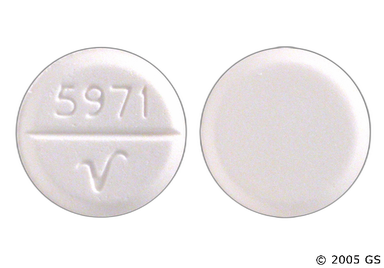
trihexyphenidyl
Trihexyphenidyl is an anticholinergic medication that blocks acetylcholine, a chemical that affects movement. It's used to help with tremors in adults with Parkinson's disease (PD). It can also ease movement-related side effects caused by other medications. Trihexyphenidyl is taken by mouth, sometimes multiple times a day. It's available as tablets and an oral liquid. Common side effects of this medication include dry mouth, blurry vision, dizziness, and nausea. The brand name Artane has been discontinued, so trihexyphenidyl is generic only.


What is Trihexyphenidyl?
What is Trihexyphenidyl used for?
- Add-on treatment for Parkinson's disease (PD)
- Movement problems (extrapyramidal symptoms or EPS) caused by central nervous system medications
How Trihexyphenidyl works
Trihexyphenidyl is an anticholinergic medication. It works by blocking acetylcholine, a chemical that affects different functions in the body, including movement. In doing so, trihexyphenidyl relaxes your muscles to prevent muscle spasms and tremors.
Drug facts
| Common Brands | Artane |
|---|---|
| Drug Class | Anticholinergic |
| Controlled Substance Classification | Not a controlled medication |
| Generic Status | Lower-cost generic available |
| Availability | Prescription only |

Side effects of Trihexyphenidyl
The following side effects may get better over time as your body gets used to the medication. Let your healthcare provider know immediately if you continue to experience these symptoms or if they worsen over time.
Common Side Effects
- Dry mouth
- Blurry vision
- Dizziness
- Nausea
- Nervousness
Less Common Side Effects
- Gut blockage
- Hallucination (seeing things that aren't there)
- Erratic behavior
- Memory problems
- Constipation
- Headache
Trihexyphenidyl serious side effects
Contact your healthcare provider immediately if you experience any of the following.
- Neuroleptic malignant syndrome: stiff muscles, sweating, fever, fast heartbeat, irregular pulse
The following Trihexyphenidyl side effects have also been reported
Side effects that you should report to your care team as soon as possible:
- Allergic reactions—skin rash, itching, hives, swelling of the face, lips, tongue, or throat
- Fever that does not go away, decreased sweating
- Sudden eye pain or change in vision such as blurry vision, seeing halos around lights, vision loss
Side effects that usually do not require medical attention (report to your care team if they continue or are bothersome):

Pros and cons of Trihexyphenidyl
Pros
- Taken by mouth
- Available as an oral solution for people who've a hard time swallowing tablets
- Available as a lower-cost generic
Cons
- Might need to take multiple times a day
- Can cause more side effects in older adults
- Suddenly stopping the medication can lead withdrawal symptoms

Pharmacist tips for Trihexyphenidyl

- Make sure you follow the dosing instructions, especially when you first start trihexyphenidyl. Your provider will start you on a lower dose to allow your body to adjust to the medication.
- If you're taking high doses of trihexyphenidyl, your provider might recommend splitting your dose into four doses. If this is the case, take three doses with meals and the fourth one before bedtime.
- Trihexyphenidyl can cause you to feel dizzy and affect your ability to concentrate. Don't drive until you know how this medication affects you.
- Taking trihexyphenidyl before meals can help with the dry mouth symptoms and stomach side effects. In addition to drinking water, sucking on hard candies or chewing gum can help relieve dry mouth as well.
- Don't stop taking trihexyphenidyl unless instructed by your provider. Suddenly stopping the medication can lead to withdrawal symptoms, such as anxiety and worsening movement problems.
- If you're taking the oral solution, store it at room temperature; don't freeze it. Make sure to use the measuring device that comes with the medication to measure your doses. Don't use kitchen or measuring spoons, since they might not be accurate.

Risks and warnings for Trihexyphenidyl
Trihexyphenidyl can cause some serious health issues. This risk may be even higher for certain groups. If this worries you, talk to your doctor or pharmacist about other options.
Vision changes
- Risk factors: Narrow-angle glaucoma
Trihexyphenidyl can raise your eye pressure and shouldn't be used if you have narrow-angle glaucoma. Use of trihexyphenidyl can lead to blindness in people with narrow-angle glaucoma. Let your provider know if you start to have blurry vision.
Heat stroke
- Risk factors: Not drinking enough water | Hot weather | Drinking alcohol regularly
Trihexyphenidyl makes it harder for your body to sweat and cool itself down. This can put you at risk for heat stroke, especially if you're doing manual labor outdoors when it's hot. Make sure you stay hydrated and out of the sun, especially if it's really hot out.
Neuroleptic malignant syndrome (NMS)
Suddenly stopping or lowering the dose of trihexyphenidyl too quickly can cause a condition called neuroleptic malignant syndrome (NMS). NMS can be very dangerous. Symptoms include very stiff muscles, sweating, fever, fast heartbeat, and an irregular pulse. Seek medical help right away if this happens to you.
Use in older adults
- Risk factors: High blood pressure | Heart, liver, or kidney problems
Anticholinergic medications, like trihexyphenidyl, can cause many side effects. Older adults are usually more sensitive to these effects. These side effects, such as blurry vision and dizziness, can raise the risk of serious falls. Make sure you continue to follow up with your provider so they can monitor you for long-term effects of the medication. Let them know if you start to have worsening side effects, especially if you've been taking the same dose for a while.

Trihexyphenidyl dosage
 Ml of oral solution
| Dosage | Quantity | Price as low as | Price per unit |
|---|---|---|---|
| 2mg/5ml | 150 ml | $14.95 | $0.10 |


How much does Trihexyphenidyl cost?
$12.89

Trihexyphenidyl contraindications
Contraindications are specific health conditions or situations in which a person should not take a medication due to safety concerns. If you have any of the following conditions or if any of the following apply to you, let your healthcare provider know because Trihexyphenidyl will not be safe for you to take.

What are alternatives to Trihexyphenidyl?

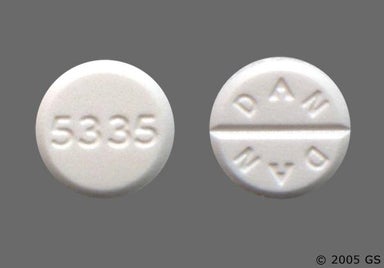
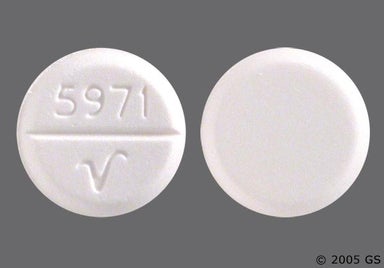
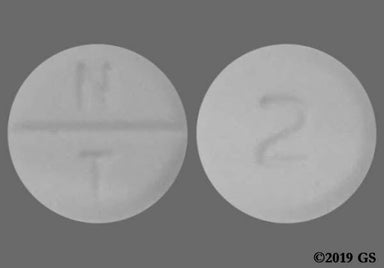
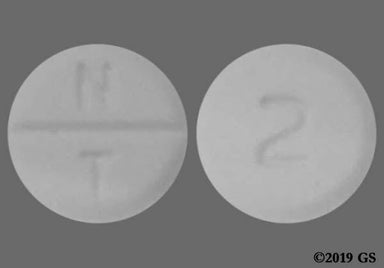
Trihexyphenidyl images