



11 Medications You Should Take on an Empty Stomach
Discover the 11 meds best taken on an empty stomach for optimal efficacy. Get the facts on dosage and timing with GoodRx.
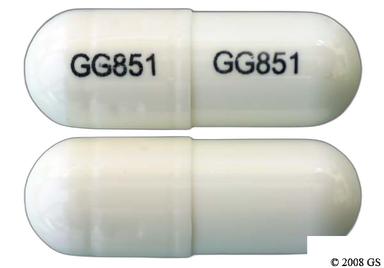
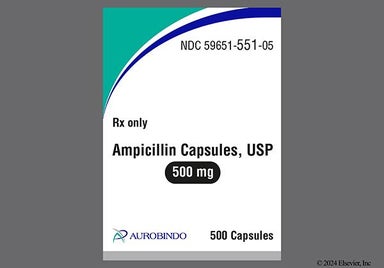
Ampicillin is a penicillin antibiotic. It's approved to treat certain types of bacterial infections, including strep throat or urinary traction infections, in adults and children. But ampicillin might not be a first-choice antibiotic for these infections because of antibiotic resistance. Ampicillin is available as a capsule that's taken by mouth 4 times per day. Some of the more common side effects of this medication include nausea and diarrhea.

Certain types of bacterial infections, including:
Ampicillin is a penicillin antibiotic. It kills bacteria by preventing them from making their protective covering.
| Common Brands | Amcill |
|---|---|
| Drug Class | Penicillin antibiotic |
| Controlled Substance Classification | Not a controlled medication |
| Generic Status | Lower-cost generic available |
| Availability | Prescription only |

The following side effects may get better over time as your body gets used to the medication. Let your healthcare provider know immediately if you continue to experience these symptoms or if they worsen over time.
Contact your healthcare provider immediately if you experience any of the following.
Along with its needed effects, a medicine may cause some unwanted effects. Although not all of these side effects may occur, if they do occur they may need medical attention.
Stop taking this medicine and get emergency help immediately if any of the following effects occur:
Less common
Fast or irregular breathing
joint pain
lightheadedness or fainting (sudden)
puffiness or swelling around the face
red, scaly skin
shortness of breath
Check with your doctor immediately if any of the following side effects occur:
Rare
Abdominal or stomach cramps and pain (severe)
abdominal tenderness
convulsions (seizures)
decreased amount of urine
diarrhea (watery and severe), which may also be bloody
mental depression
pain at place of injection
sore throat and fever
unusual bleeding or bruising
yellow eyes or skin
Rare
For penicillin G procaine only
Agitation or combativeness
confusion
fear of impending death
feeling, hearing, or seeing things that are not real
Some side effects may occur that usually do not need medical attention. These side effects may go away during treatment as your body adjusts to the medicine. Also, your health care professional may be able to tell you about ways to prevent or reduce some of these side effects. Check with your health care professional if any of the following side effects continue or are bothersome or if you have any questions about them:
Other side effects not listed may also occur in some patients. If you notice any other effects, check with your healthcare professional.
Call your doctor for medical advice about side effects. You may report side effects to the FDA at 1-800-FDA-1088.




Ampicillin can cause some serious health issues. This risk may be even higher for certain groups. If this worries you, talk to your doctor or pharmacist about other options.
Severe allergic reactions to ampicillin are possible, including life-threatening reactions like facial swelling and anaphylaxis (e.g., closing of the throat). Let your healthcare professional (HCP) know if you have an allergy to antibiotics. If you notice hives, rash, red skin, swelling of the lips or tongue, or difficulty breathing after taking ampicillin, get medical help right away.
Antibiotics, including ampicillin, raise your risk of getting infected with a bacteria called Clostridioides difficile (C. diff). This infection can cause diarrhea that can sometimes be life-threatening. Antibiotics change the amount of normal bacteria in your stomach and intestines. This can cause C. diff to overgrow in your gut and lead to an infection. This type of infectious diarrhea is different than the diarrhea you might get as a possible side effect of ampicillin. C. diff-related diarrhea can cause rapid heart rate, foul-smelling diarrhea, fever, nausea, bloody stools, or frequent bowel movements (even up to 15 times per day). This is considered a medical emergency. If you experience any of these symptoms, get medical attention right away so you can be tested for C. diff infection and receive treatment.
Your healthcare professional (HCP) will make sure that you're taking ampicillin for the appropriate infection and amount of time. Using ampicillin for any shorter or longer periods of time or taking the antibiotic for other illnesses can raise your risk for developing infections caused by drug-resistant bacteria. This raises your risk for severe and life-threatening infections that might be difficult to treat.
If you're taking ampicillin and you're also on birth control pills, the birth control can become less effective (e.g., not work as well) and you could have breakthrough bleeding. If you're taking birth control for prevention of pregnancy, consider using a barrier form of birth control (like condoms or diaphragms) while taking ampicillin.


Although certain medicines should not be used together at all, in other cases two different medicines may be used together even if an interaction might occur. In these cases, your doctor may want to change the dose, or other precautions may be necessary. When you are taking any of these medicines, it is especially important that your healthcare professional know if you are taking any of the medicines listed below. The following interactions have been selected on the basis of their potential significance and are not necessarily all-inclusive.
Using medicines in this class with any of the following medicines is usually not recommended, but may be required in some cases. If both medicines are prescribed together, your doctor may change the dose or how often you use one or both of the medicines.


Contraindications are specific health conditions or situations in which a person should not take a medication due to safety concerns. If you have any of the following conditions or if any of the following apply to you, let your healthcare provider know because Ampicillin will not be safe for you to take.







Prescription savings
Stop paying too much for your prescriptions. Compare prices, get pharmacy coupons, and save up to 80%. Find expert answers to your health questions so you can make the best decisions for yourself and your family.
Health conditions
Medications & treatment
Access & affordability
 Our monthly healthcare membership can help you save thousands on your prescription costs.
Resources

Yes, Ampicillin is a penicillin antibiotic. This means that if you have a penicillin allergy, you might also be allergic to Ampicillin. Your healthcare professional (HCP) will decide whether Ampicillin is a possible option, based on how you've reacted to penicillin in the past. If you had a mild rash or itchy skin when you took penicillin, your HCP will probably still prescribe Ampicillin and ask you to watch for allergic reactions closely. But if you had a severe reaction like facial swelling, closing of the throat, or anaphylaxis, your HCP might decide to use a different antibiotic.
No. Both Ampicillin and amoxicillin are penicillin antibiotics that can treat some similar infections, but they're not the same. Ampicillin is available as a capsule taken by mouth and injection for people in the hospital, but amoxicillin is available as tablets, capsules, and liquid taken by mouth, as well as a chewable tablet. Ampicillin is typically taken every 6 hours, whereas amoxicillin is taken every 8 to 12 hours. Ask your healthcare team if you have more questions about either Ampicillin or amoxicillin.
Ampicillin kills the bacteria by preventing them from making their protective covering.
Yes, Ampicillin is approved to treat a urinary tract infection (UTI), but it's not a first-choice option. This is because it might not work as well to treat UTIs compared to other antibiotics and because of antibiotic resistance. But your healthcare professional might consider Ampicillin as an option for UTIs if the bacteria causing the infection is susceptible to Ampicillin.
Ampicillin is FDA-approved for treating respiratory infections, which includes strep throat. But, clinical guidelines don't typically recommend using Ampicillin to treat strep throat. Healthcare professionals usually prescribe other antibiotics like amoxicillin or cephalexin (Keflex) for strep throat.
Ampicillin might be an option during pregnancy. In general, penicillin antibiotics, such as Ampicillin, aren't known to cause harm during pregnancy.
It's best to avoid drinking alcohol while you're taking antibiotics, like Ampicillin. This is because doing so can worsen certain side effects, such as diarrhea, nausea, and vomiting. In addition, drinking alcohol while you're sick can make it more difficult for you to recover from your infection. Speak with a healthcare professional about your drinking habits and how to best avoid drinking alcohol while you're taking Ampicillin.
