


Narcan, Flumazenil, Protamine, and More: 9 Common Medication Reversal Agents
Reversal agents are drugs that counteract the effects of other medications. Learn more with this list of reversal agents and when to use them.
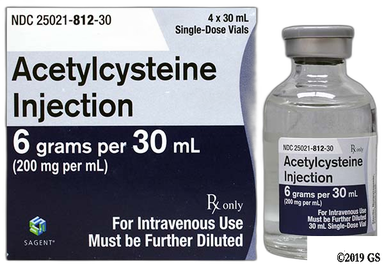
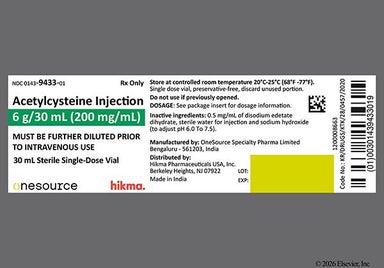
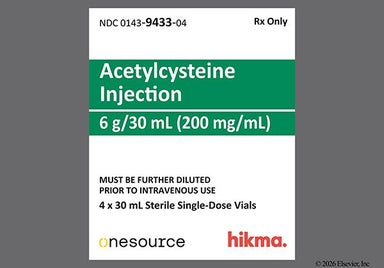
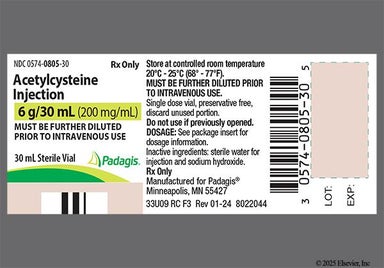
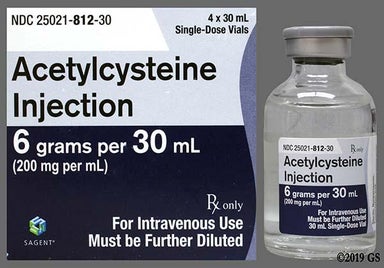
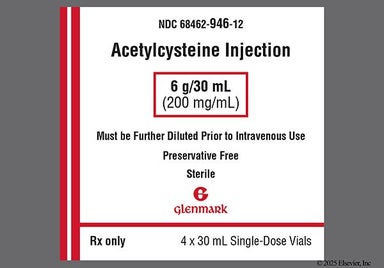
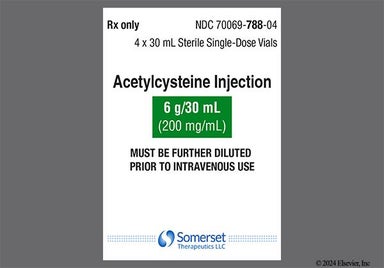
Acetylcysteine (Acetadote) is an antidote that's used during an acetaminophen overdose to prevent or lessen serious injury to the liver. It's given in a healthcare setting (e.g., urgent care, emergency room) by a healthcare provider. The medication is available as an intravenous (IV) infusion and a generic oral solution that can be given by mouth or through a feeding tube. The most common side effects of the injection version include redness and flushing of the skin, while nausea and vomiting are more common with the oral version.

| Common Brands | Acetadote |
|---|---|
| Drug Class | Antidote |
| Controlled Substance Classification | Not a controlled medication |
| Generic Status | No lower-cost generic available |
| Availability | Prescription only |


Although certain medicines should not be used together at all, in other cases two different medicines may be used together even if an interaction might occur. In these cases, your doctor may want to change the dose, or other precautions may be necessary. When you are taking this medicine, it is especially important that your healthcare professional know if you are taking any of the medicines listed below. The following interactions have been selected on the basis of their potential significance and are not necessarily all-inclusive.
Using this medicine with any of the following medicines may cause an increased risk of certain side effects, but using both drugs may be the best treatment for you. If both medicines are prescribed together, your doctor may change the dose or how often you use one or both of the medicines.




Prescription savings
Stop paying too much for your prescriptions. Compare prices, get pharmacy coupons, and save up to 80%. Find expert answers to your health questions so you can make the best decisions for yourself and your family.
Health conditions
Medications & treatment
Access & affordability
Medication discounts

Acetadote is a medication used to lessen damage to the liver after ingesting a potentially dangerous amount of acetaminophen. It's given as an IV infusion through the vein or as an oral solution by a healthcare provider.
When you take too much acetaminophen, a toxic substance from the breakdown of acetaminophen builds up in your body. Usually, your body has an antioxidant called glutathione that helps remove the toxic substance. But when you take too much acetaminophen, there's too much toxin and not enough glutathione to remove it all. The exact way that Acetadote works for acetaminophen overdose isn't completely understood, but it's thought to help restore levels of the antioxidant so that your body can better remove the the toxic substance from acetaminophen.
Taking too much acetaminophen can cause nausea, vomiting, or constipation. Liver damage from an acetaminophen overdose can look like vomiting, stomach pain, lack of appetite, or yellowing of the skin or whites of the eyes. More severe cases of overdose can cause confusion, seizures, and even death. Call a poison control center at 1-800-222-1222 or get emergency help right away if you or a loved one experiences any of these symptoms or if you think you've taken too much acetaminophen.
Your provider will calculate the dose of Acetadote based on your body weight. If you're receiving this medication through your veins (IV), you'll typically receive three separate infusions over the course of 21 hours. If you're receiving Acetadote by mouth, your provider will mix your dose with a diet soft drink and you'll typically take a dose every 4 hours for a total of 17 doses.
The most common side effects from the injection version of Acetadote are infusion-related reactions, such as rash, hives, facial flushing, and itching. Redness and flushing of the skin can happen 30 to 60 minutes after an Acetadote infusion is started. This usually goes away, but if you have other symptoms, it might be a sign of a more severe reaction. Acetadote might also cause nausea, vomiting, and other stomach side effects, but these are more common with the oral solution.
A serious reaction to the IV infusion can happen in some people shortly after Acetadote is started. The symptoms of this reaction can include rash, low blood pressure (e.g., lightheadedness, fainting), wheezing, and trouble breathing. Let your provider know if you have asthma, since they'll want to monitor you more closely for breathing problems. Usually, your provider will stop the Acetadote infusion and treat the symptoms of your reaction if this occurs.
