Zunveyl
Zunveyl (benzgalantamine) is a cholinesterase inhibitor used to treat mild to moderate dementia in adults with Alzheimer’s disease (AD). It works by boosting acetylcholine, a brain chemical important for memory and thinking. It comes as a delayed‑release tablet that might also be easier on your stomach compared to other similar medications. You typically take a dose by mouth twice a day. Common side effects include nausea, vomiting, and dizziness.


What is Zunveyl (benzgalantamine)?
What is Zunveyl (benzgalantamine) used for?
- Mild to moderate dementia in adults with Alzheimer’s disease
How Zunveyl (benzgalantamine) works
Zunveyl is a cholinesterase inhibitor. It blocks the body from breaking down a chemical called acetylcholine. This raises acetylcholine levels in the brain, which can help with memory and daily function. Zunveyl (benzgalantamine) doesn’t stop Alzheimer's disease from getting worse over time.
Drug facts
| Common Brands | Zunveyl |
|---|---|
| Drug Class | Cholinesterase inhibitor |
| Controlled Substance Classification | Not a controlled medication |
| Generic Status | No lower-cost generic available |
| Availability | Prescription only |

Side effects of Zunveyl (benzgalantamine)
The following side effects may get better over time as your body gets used to the medication. Let your healthcare provider know immediately if you continue to experience these symptoms or if they worsen over time.
Common Side Effects
- Nausea (21%)
- Vomiting (11%)
- Dizziness (8%)
- Diarrhea (7%)
- Headache (7%)
- Reduced appetite (7%)
Less Common Side Effects
- Feeling tired or weak
- Stomach pain or discomfort
- Depression
- Tremor
- Sleepiness
- Weight loss
- Slow heartbeat
- Falls
- Indigestion
- Muscle spasms
Zunveyl (benzgalantamine) serious side effects
Contact your healthcare provider immediately if you experience any of the following.
- Serious skin reactions: skin rash, large blisters on the skin, painful sores, swelling of the face
- Slow heartbeat or heart block: fainting, dizziness, chest discomfort, feeling like you’ll pass out
- Fainting: sudden loss of consciousness, confusion after waking
- Seizures: shaking you can’t control, loss of awareness
- Breathing problems: wheezing, shortness of breath, chest tightness
The following Zunveyl (benzgalantamine) side effects have also been reported
Side effects that you should report to your care team as soon as possible:
- Allergic reactions—skin rash, itching, hives, swelling of the face, lips, tongue, or throat
- Peptic ulcer—burning stomach pain, loss of appetite, bloating, burping, heartburn, nausea, vomiting
- Redness, blistering, peeling, or loosening of the skin, including inside the mouth
- Seizures
- Slow heartbeat—dizziness, feeling faint or lightheaded, confusion, trouble breathing, unusual weakness or fatigue
- Stomach bleeding—bloody or black, tar-like stools, vomiting blood or brown material that looks like coffee grounds
- Trouble passing urine
Side effects that usually do not require medical attention (report these to your care team if they continue or are bothersome):
- Diarrhea
- Dizziness
- Headache
- Loss of appetite with weight loss
- Nausea
- Vomiting

Pros and cons of Zunveyl (benzgalantamine)
Pros
- Helps with memory, thinking, and daily activities
- Can be taken with or without food
- Designed to reduce stomach side effects
- Comes in three different tablet strengths
Cons
- Needs to be taken twice a day
- Nausea and vomiting are common when raising the dose
- Not recommended with severe liver or kidney problems
- Can slow the heart rate and cause fainting in some people

Pharmacist tips for Zunveyl (benzgalantamine)

- Take Zunveyl (benzgalantamine) at the same times each morning and evening. Staying consistent helps keep steady levels in your body so it works better.
- Swallow the Zunveyl (benzgalantamine) tablets whole. Don’t split, crush, or chew them because this can change the way the medication works in your body.
- You can take Zunveyl (benzgalantamine) with or without food, but taking it with food might help if your stomach is sensitive. Drink fluids during the day. This can help with nausea and dizziness and lowers your risk of dehydration if you have stomach upset.
- Don’t take Zunveyl (benzgalantamine) with alcohol because it can worsen side effects.
- Watch for a rash after starting Zunveyl (benzgalantamine). A spreading rash, blistering, or skin peeling can be a medical emergency. Stop the medication and get help right away if this happens.
- Zunveyl (benzgalantamine) can slow your heartbeat and raise your risk of fainting, especially when your dose increases. Tell your prescriber if you have light‑headedness, near‑fainting, or new chest symptoms. If you feel dizzy, stand up slowly and hold on to something to prevent yourself from falling.
- Avoid anticholinergic medications if possible while taking Zunveyl (benzgalantamine). These include some bladder, bowel, and allergy/sleep medications, which can work against Zunveyl (benzgalantamine) and raise side effect risks. Ask your pharmacist to review your list.
- If you stop Zunveyl (benzgalantamine) for more than 3 days, call your prescriber before restarting. You’ll usually need to restart at the lowest dose and work back up to avoid side effects.

Risks and warnings for Zunveyl (benzgalantamine)
Zunveyl (benzgalantamine) can cause some serious health issues. This risk may be even higher for certain groups. If this worries you, talk to your doctor or pharmacist about other options.
Serious skin reactions
- Risk factors: Past allergy to galantamine
Although rare, Zunveyl (benzgalantamine) can cause serious skin reactions. Watch for symptoms like fever, sore throat, eye irritation, a spreading red or purple rash, blisters, or skin peeling. Stop taking the medication and get urgent medical care right away if you notice these signs. You might need to stop Zunveyl (benzgalantamine) and switch to an alternative treatment.
Slowed heartbeat and fainting
- Risk factors: Heart rhythm
Zunveyl (benzgalantamine) can slow down your heart rate and can cause heart block. In some cases, this can lead to fainting. You’re at higher risk if you already have heart rhythm problems. Report dizziness, near‑fainting, or new chest symptoms to your prescriber.
Stomach ulcers and bleeding
- Risk factors: Taking NSAIDs | History of stomach ulcers or bleeding
Zunveyl (benzgalantamine) can raise the amount of stomach acid your body makes, which can put you at risk for stomach ulcers and bleeding. Nonsteroidal anti-inflammatory drugs (NSAIDs), which are commonly found in over-the-counter cold and pain medications, can also increase this risk. So you might want to avoid taking them at the same time. Talk to your prescriber if you have worsening stomach pain, heartburn, or indigestion, and get medical attention right away if you notice signs of stomach bleeding (e.g., black stools, vomit that looks like coffee grounds).
Difficulty urinating
While not seen in studies, medications like Zunveyl (benzgalantamine) can sometimes make it harder for urine to flow from the bladder. Watch for trouble starting urine, weak stream, or lower stomach pain. Contact your prescriber if you notice any of these symptoms.
Seizures
Zunveyl (benzgalantamine) might raise your risk of seizures, which might also be caused by Alzheimer's disease. Learn the signs of a seizure, such as shaking, loss of awareness, or unusual movements, and get medical help if they happen. Tell your care team right away if you think you’ve had a seizure while taking this medication.
Worsening breathing problems
- Risk factors: Asthma | COPD
Zunveyl (benzgalantamine) can make breathing problems worse in people with asthma, COPD, or other lung conditions. If you have a condition that affects your breathing, your care team might watch your symptoms more closely. Tell them right away if you have wheezing, chest tightness, or shortness of breath.

Zunveyl (benzgalantamine) dosage
 Tablet
| Dosage | Quantity | Price as low as | Price per unit |
|---|---|---|---|
| 5mg | 60 tablets | $840.84 | $14.01 |
| 15mg | 60 tablets | $840.84 | $14.01 |
| 10mg | 60 tablets | $840.84 | $14.01 |
Typical dosage for Zunveyl (benzgalantamine)
The typical starting dose is 5 mg by mouth twice a day. After at least 4 weeks, your prescriber might raise the dose to 10 mg twice daily if you’re tolerating it. After another 4 weeks, the dose might go up to 15 mg twice daily (the maximum recommended dose).
Your dose might differ if you have liver or kidney problems.

How much does Zunveyl (benzgalantamine) cost?
$840.84

Zunveyl (benzgalantamine) contraindications
Contraindications are specific health conditions or situations in which a person should not take a medication due to safety concerns. If you have any of the following conditions or if any of the following apply to you, let your healthcare provider know because Zunveyl (benzgalantamine) will not be safe for you to take.
- Allergy to benzgalantamine or galantamine

What are alternatives to Zunveyl (benzgalantamine)?

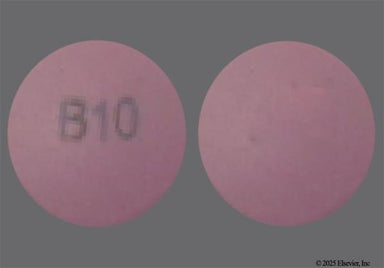
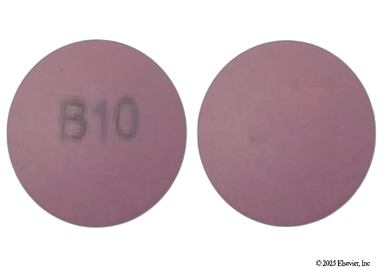
Zunveyl (benzgalantamine) images